USDAOfficial guidance
USDA FoodKeeper – Cold Storage Guidelines
Official refrigerator, freezer, and pantry timelines maintained by the U.S. Department of Agriculture.
Visit USDA FoodKeeperStorage temperature, how long it has been opened, and package integrity change the answer — and those details are easy to miss.
Last reviewed: January 2026
Reviewed by the Can I Eat Expired Editorial Team using official USDA, FDA, and CDC food safety guidance. How we assess food safety risk
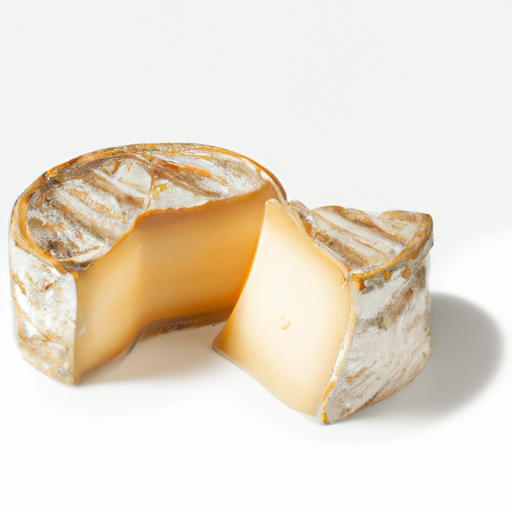
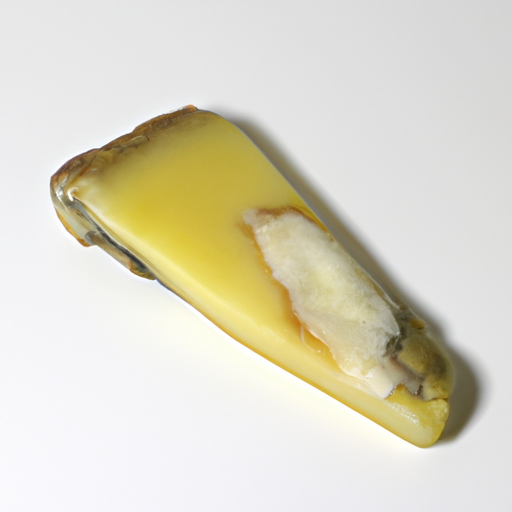
May be safe if properly stored and showing no spoilage signs. Check carefully before consuming.
⏱️ Safe for up to 3 days after expiry if properly stored and showing no spoilage signs.
Get a yes / no answer for your epoisses de bourgogne →
⚠️ Eating spoiled dairy is one of the most common causes of food poisoning at home.
Fridge
45-50°F (7-10°C)
Keep in wooden box, wrap in wax paper. Store away from other foods due to strong aroma
Dairy products require consistent cold storage (40°F or below) to prevent spoilage. A refrigerator thermometer (Amazon) helps ensure your refrigerator maintains safe temperatures.
14 days
Ammonia smell, dark or dry patches, mold different from natural white/orange rind
Transferring opened dairy into an airtight container (Amazon) can reduce odor absorption and moisture exposure.
Reblochon, Vacherin Mont d'Or
The expiration date on Epoisses de Bourgogne indicates when the cheese is no longer safe to consume. Beyond this date, there is an increased risk of bacterial contamination and foodborne illness. Best quality, on the other hand, refers to the period during which the cheese is at its peak flavor and texture. While Epoisses may still be safe to eat after the expiration date if properly stored, its quality may deteriorate over time, affecting taste and texture.
To determine if Epoisses De Bourgogne has spoiled, look for signs of mold growth beyond the orange rind, a strong ammonia-like smell, and an overly runny or slimy texture. If you notice any of these indicators, it's best to discard the cheese to avoid any potential foodborne illnesses.
Epoisses de Bourgogne is a soft, washed-rind cheese made from cow's milk. Due to its high moisture content and creamy texture, it is susceptible to bacterial contamination if not stored properly. The rind of Epoisses is washed with Marc de Bourgogne, a local pomace brandy, which contributes to its strong aroma and flavor. However, this also creates an ideal environment for bacteria to thrive. To reduce the risk of foodborne illness, it is crucial to ensure the cheese is stored correctly and consumed within its recommended timeframe.
To store Epoisses de Bourgogne properly, it is best to keep it wrapped in its original packaging or wax paper to allow it to breathe. Store the cheese in the vegetable drawer of the refrigerator, where the temperature is slightly higher and more consistent. Avoid storing Epoisses near other foods with strong odors, as it can absorb flavors easily. Before serving, let the cheese sit at room temperature for about 30 minutes to allow its flavors to fully develop.
Epoisses de Bourgogne has a rich cultural history dating back to the 16th century in the Burgundy region of France. It was famously praised by Napoleon as the 'king of cheeses.' The pungent aroma and intense flavor of Epoisses have made it a favorite among cheese enthusiasts worldwide. In fact, it was banned from being carried on public transportation in France due to its strong smell. Epoisses is often enjoyed with fruity wines or even drizzled with honey to balance its intense flavors.
If Epoisses De Bourgogne has been at room temperature for a few hours, it's best to discard it. Dairy products like Epoisses De Bourgogne are at risk of bacterial growth when left out of refrigeration for extended periods, possibly leading to foodborne illnesses.
After opening, Epoisses De Bourgogne should be consumed within 3-5 days for the best quality. To maintain freshness, always reseal the original packaging tightly or transfer it to an airtight container before placing it back in the fridge.
The type of container plays a crucial role in preserving Epoisses De Bourgogne. Opt for airtight containers or resealable bags to extend its shelf life. Avoid storing it in containers that can't provide a proper seal, as exposure to air can accelerate spoilage.
Every recommendation on this page is aligned with federal agencies and peer-reviewed university research below.
Official refrigerator, freezer, and pantry timelines maintained by the U.S. Department of Agriculture.
Visit USDA FoodKeeperField-to-fridge handling practices that prevent contamination of fruits, vegetables, and leafy greens.
Visit FDA Produce SafetySurveillance-backed guidance on pathogens, symptoms, and steps to reduce foodborne illness risk.
Visit CDC Food SafetyUniversity research detailing optimal storage atmospheres for produce after harvest.
Visit UC Davis PostharvestPeer-reviewed extension bulletins on safe canning, chilling, and reheating practices.
Visit Penn State ExtensionImportant: These are general guidelines based on authoritative sources listed above. Always use your best judgment and when in doubt, throw it out.
Disclosure: As an Amazon Associate, we earn from qualifying purchases. This helps support our site and allows us to continue providing free food safety information.