USDAOfficial guidance
USDA FoodKeeper – Cold Storage Guidelines
Official refrigerator, freezer, and pantry timelines maintained by the U.S. Department of Agriculture.
Visit USDA FoodKeeperLast reviewed: January 2026
Reviewed by the Can I Eat Expired Editorial Team using official USDA, FDA, and CDC food safety guidance. How we assess food safety risk
Storage conditions, initial freshness, and proper handling change the answer — and those details are easy to miss.
Get a yes / no answer for your parsley →
Check Your Exact SituationThis food is often safe when handled and stored properly, but safety depends on how it's been kept and whether any spoilage signs are present.
⏱️ Safe for up to 5 days after expiry if properly stored and showing no spoilage signs.
Fridge
4°C (40°F)
Keep in a glass of water, loosely covered
10 days
Wilted leaves, yellowing, mold
Use in cooking or salads
Cilantro, basil
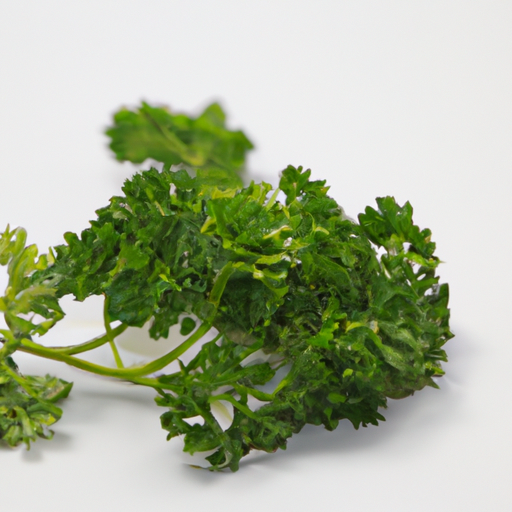
Parsley does not have a strict expiration date like perishable foods but will start to lose its flavor and nutritional value over time. The best quality of parsley is when it is fresh, vibrant green, and has crisp leaves. As it ages, the leaves may wilt, turn yellow, and lose their flavor. While it may still be safe to consume wilted parsley, it is best to use it when fresh for optimal taste and nutrients.
To determine if parsley has gone bad, look for dark spots, wilting leaves, or a slimy texture. Fresh parsley should have a vibrant green color, a strong, fresh scent, and crisp, firm leaves. If the parsley appears discolored, smells off, or feels mushy, it is best to discard it.
Parsley is generally safe to consume, but it can pose some risks if not handled properly. Contamination can occur if parsley is not washed thoroughly before consumption, as it may carry dirt, pesticides, or harmful bacteria. Make sure to wash parsley under running water and pat it dry before use. People with allergies to carrots, celery, or other similar plants may also be allergic to parsley.
To keep parsley fresh for longer, trim the ends of the stems and place the bunch in a glass of water like a bouquet. Cover the leaves loosely with a plastic bag and store in the refrigerator. Change the water every few days to maintain freshness. Another pro tip is to chop parsley and freeze it in ice cube trays with water or oil for easy use in cooking. Frozen parsley can be added directly to dishes without thawing.
Parsley is not just a garnish; it has been used in culinary and medicinal practices for centuries. It is native to the Mediterranean region and has been cultivated for over 2,000 years. In Greek mythology, parsley was said to have sprung from the blood of Archemorus, the forerunner of death. In some cultures, parsley is considered a symbol of rebirth and is used in rituals and celebrations.
Parsley can be left at room temperature for a few hours without significant safety concerns. However, prolonged exposure to higher temperatures can lead to quicker spoilage. It's best to refrigerate Parsley promptly after use to maintain freshness and reduce the risk of bacterial growth.
Once opened, Parsley typically remains fresh for about 5-7 days when stored correctly in the refrigerator. Make sure to seal it tightly in an airtight container or plastic bag to preserve its flavor and texture. Check for any signs of discoloration or sliminess before use.
The container you use to store Parsley can impact its shelf life. Opt for a breathable container or a perforated plastic bag to maintain proper airflow, which helps prevent moisture build-up and extends the herb's freshness. Avoid storing Parsley in airtight containers as it can lead to quicker deterioration.
Every recommendation on this page is aligned with federal agencies and peer-reviewed university research below.
Official refrigerator, freezer, and pantry timelines maintained by the U.S. Department of Agriculture.
Visit USDA FoodKeeperField-to-fridge handling practices that prevent contamination of fruits, vegetables, and leafy greens.
Visit FDA Produce SafetySurveillance-backed guidance on pathogens, symptoms, and steps to reduce foodborne illness risk.
Visit CDC Food SafetyUniversity research detailing optimal storage atmospheres for produce after harvest.
Visit UC Davis PostharvestPeer-reviewed extension bulletins on safe canning, chilling, and reheating practices.
Visit Penn State ExtensionStorage: Fridge
View guide →
Storage: Cool Dark Place
View guide →
Storage: Fridge
View guide →
Storage: Cool Dark Place
View guide →
Storage: Fridge
View guide →
Storage: Fridge
View guide →
Storage: Fridge
View guide →
Storage: Fridge
View guide →
Storage: Fridge
View guide →
Important: These are general guidelines based on authoritative sources listed above. Always use your best judgment and when in doubt, throw it out.