USDAOfficial guidance
USDA FoodKeeper – Cold Storage Guidelines
Official refrigerator, freezer, and pantry timelines maintained by the U.S. Department of Agriculture.
Visit USDA FoodKeeperStorage conditions, initial freshness, and proper handling change the answer — and those details are easy to miss.
Last reviewed: January 2026
Reviewed by the Can I Eat Expired Editorial Team using official USDA, FDA, and CDC food safety guidance. How we assess food safety risk

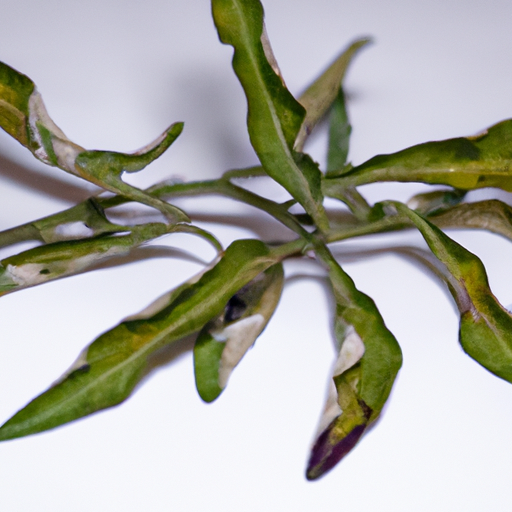
May be safe if properly stored and showing no spoilage signs. Check carefully before consuming.
Get a yes / no answer for your lemon verbena →
Fridge
40°F (4°C)
Wrap in damp paper towel and store in a sealed bag
5 days
Moldy or slimy leaves, off smell
Infuse in tea, flavor desserts, salads
Lemon zest or lemon balm
Sure thing! So, let's chat about Lemon Verbena. Expiration dates and best quality dates are not the same. The dates are manufacturer guidance and not absolute safety indicators to eat after that date. For Lemon Verbena, if you see that the leaves have passed the best quality date, they might have lost some of their flavor and aroma, but they are still safe to use. However, if you notice any mold, strange odors, or discoloration, it's best to toss them. Personally, I would still use Lemon Verbena even after the best quality date has passed, especially if they look and smell fine. Maybe adjust the amount slightly to compensate for any loss in flavor. It's all about using your best judgment in the end!
To determine if Lemon Verbena has gone bad, look for any signs of mold or discoloration on the leaves. Smell the herb - if it has a musty or off odor, it may be spoiled. Additionally, check the texture of the leaves - if they feel slimy or mushy, it's best to discard the herb.
Hey there! Let's chat about Lemon Verbena and food safety. While this herb can add a delightful flavor to dishes and teas, there are some foodborne illness risks to be aware of. When consuming Lemon Verbena, be cautious of potential contamination from pesticides, improper washing, or cross-contamination in the kitchen. Symptoms of foodborne illness may include nausea, vomiting, diarrhea, and stomach cramps. To keep things safe and tasty, remember to always wash your Lemon Verbena thoroughly before using it in your recipes. If you're using it fresh from the garden, give it a good rinse to remove any dirt or residues. Also, make sure to store it properly in the refrigerator to maintain freshness and reduce the risk of bacterial growth. I love adding Lemon Verbena to my homemade iced tea, but I always make sure to give it a good wash first to enjoy it without any worries. Stay safe and savor the flavors!
Hey there! Storing Lemon Verbena is a great way to preserve its fresh, citrusy flavor for future use. One cool hack is to dry the leaves and store them in airtight containers to maintain their aroma. I like to hang bunches of Lemon Verbena in a warm, dark place until they are completely dried, then crumble them into a jar for easy access. Another pro tip is to infuse Lemon Verbena into oils or vinegars for a tasty addition to dressings or marinades. Simply fill a bottle with the herb, pour in your oil or vinegar of choice, and let it sit for a couple of weeks before straining. It's a fantastic way to elevate your dishes! For a creative storage solution, try freezing Lemon Verbena leaves in ice cube trays with a bit of water. This way, you can easily pop a cube into your drinks or recipes for a burst of refreshing flavor. I hope you find these tips helpful! Let me know if you try any of them out. Happy cooking!
Hey there! Let's talk about Lemon Verbena, the citrus-scented herb that can add a delightful touch to your dishes and drinks. Did you know that Lemon Verbena has a fascinating history? It's been used for centuries in traditional medicine for its calming properties and as a natural remedy for indigestion and anxiety. In some cultures, Lemon Verbena is seen as a symbol of love and affection. People have even used it in love potions to attract their crushes! How cool is that? When it comes to culinary uses, Lemon Verbena can elevate your cooking game. Add a few leaves to your tea for a refreshing twist or chop it finely to infuse your desserts with a bright, zesty flavor. Fun fact: Lemon Verbena leaves can be used to make a fragrant potpourri or even a DIY natural air freshener for your home. It's like bringing a bit of sunshine indoors! So, next time you come across Lemon Verbena, give it a try and explore the magic of this versatile herb. Your taste buds will thank you!
Lemon Verbena is best stored in the fridge to maintain freshness and flavor. Leaving it at room temperature for extended periods can cause it to wilt and lose its aroma faster.
Lemon Verbena can typically be stored in the fridge for up to 5 days before it starts to degrade in quality. After this time, it's best to discard it to prevent any potential food safety risks.
Once Lemon Verbena has exceeded its 5-day shelf life in the fridge, it's advisable to discard it even if it looks and smells fine. Consuming it after this period increases the risk of foodborne illnesses.
Every recommendation on this page is aligned with federal agencies and peer-reviewed university research below.
Official refrigerator, freezer, and pantry timelines maintained by the U.S. Department of Agriculture.
Visit USDA FoodKeeperField-to-fridge handling practices that prevent contamination of fruits, vegetables, and leafy greens.
Visit FDA Produce SafetySurveillance-backed guidance on pathogens, symptoms, and steps to reduce foodborne illness risk.
Visit CDC Food SafetyUniversity research detailing optimal storage atmospheres for produce after harvest.
Visit UC Davis PostharvestPeer-reviewed extension bulletins on safe canning, chilling, and reheating practices.
Visit Penn State ExtensionImportant: These are general guidelines based on authoritative sources listed above. Always use your best judgment and when in doubt, throw it out.