USDAOfficial guidance
USDA FoodKeeper – Cold Storage Guidelines
Official refrigerator, freezer, and pantry timelines maintained by the U.S. Department of Agriculture.
Visit USDA FoodKeeperStorage conditions, whether it is properly cooked, and exposure to contamination change the answer — and those details are easy to miss.
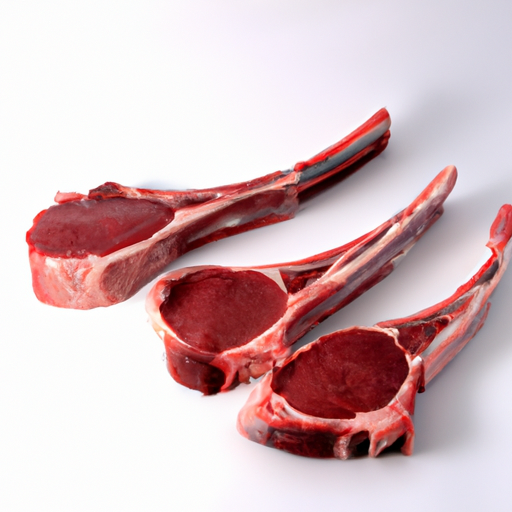
Get a yes / no answer for your lamb chops all s including shoulder loin rib →
Last reviewed: January 2026
Reviewed by the Can I Eat Expired Editorial Team using official USDA, FDA, and CDC food safety guidance. How we assess food safety risk
Discard it after the expiration date.
⚠️ Undercooked or spoiled meat and poultry are leading causes of serious foodborne illness.
Fridge
32°F (0°C)
Wrap in butcher paper and store in the coldest part of the fridge.
Proper cooking temperatures are critical for food safety. An instant-read food thermometer (Amazon) helps ensure meat reaches safe internal temperatures and reduces the risk of foodborne illness.
3 days
90 days
Unpleasant odor, slimy texture, discoloration, excessive moisture
Vacuum sealing before freezing can help reduce freezer burn and extend storage time. A vacuum sealer (Amazon) helps maintain food quality during longer freezer storage.
Grilling, braising, stewing
Beef cuts like ribeye or sirloin
The expiration date on Lamb Chops indicates the last date recommended for consumption to ensure safety. Beyond this date, there is an increased risk of spoilage and potential foodborne illness. Best quality refers to the peak flavor and texture of the lamb. While the lamb may still be safe to eat after the expiration date if stored properly, the quality may degrade over time, affecting taste and texture.
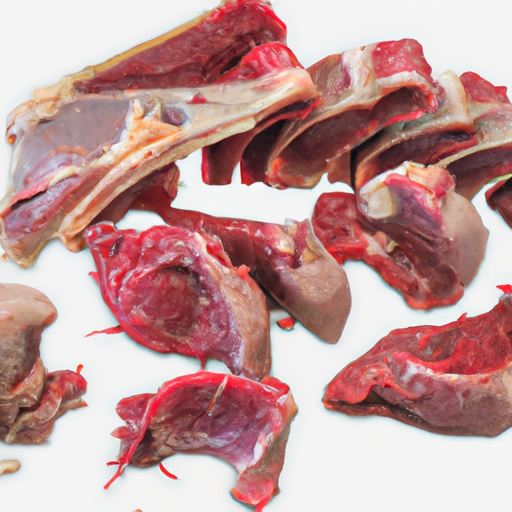
To check if Lamb Chops All Cuts Including Shoulder Loin Rib Fresh Raw has gone bad, look for a change in color from pink to gray or brown, a sour or unpleasant odor, and a slimy or sticky texture. If you notice any of these signs, it's best to discard the lamb chops to avoid the risk of foodborne illness.
When handling Lamb Chops, it is crucial to follow proper food safety practices to avoid foodborne illnesses. Raw lamb, like other meats, can harbor harmful bacteria such as Salmonella, E. coli, and Campylobacter. Cross-contamination with other foods should be avoided by using separate cutting boards and utensils for raw meat. Proper cooking is essential to kill any potentially harmful bacteria; lamb should be cooked to an internal temperature of at least 145°F (63°C) for medium-rare and 160°F (71°C) for medium.
For optimal storage of Lamb Chops, it is recommended to store them in the coldest part of the refrigerator, ideally below 40°F (4°C). If not cooking the lamb immediately, it can be stored in the refrigerator for up to 3-5 days. To extend the storage time, lamb chops can be wrapped tightly in plastic wrap or aluminum foil and placed in an airtight container or freezer bag before freezing. Frozen lamb chops can maintain quality for up to 6-9 months. When thawing frozen lamb, it is best to do so in the refrigerator to prevent bacterial growth. Avoid refreezing thawed lamb to maintain quality and safety.
Lamb is a highly prized meat in many cultures around the world and holds cultural significance in various cuisines. In Middle Eastern cuisine, lamb is a staple ingredient in dishes like kebabs, stews, and biryanis. In Mediterranean cuisine, lamb chops are often grilled with herbs and served with sides like tzatziki or couscous. In some cultures, lamb is a traditional dish served during special occasions and celebrations, symbolizing hospitality and abundance.
Lamb Chops All Cuts Including Shoulder Loin Rib Fresh Raw can be stored safely in the fridge for up to 3 days before cooking. Ensure it is properly sealed or wrapped to maintain freshness and prevent cross-contamination.
If Lamb Chops All Cuts Including Shoulder Loin Rib Fresh Raw has been at room temperature for 2 hours, it's best to discard it. Bacteria can multiply rapidly at room temperature, increasing the risk of foodborne illness.
Yes, the type of container can impact the shelf life of Lamb Chops All Cuts Including Shoulder Loin Rib Fresh Raw. Opt for airtight containers or vacuum-sealed bags to extend its freshness. Improperly stored meat can lead to spoilage or contamination.
Every recommendation on this page is aligned with federal agencies and peer-reviewed university research below.
Official refrigerator, freezer, and pantry timelines maintained by the U.S. Department of Agriculture.
Visit USDA FoodKeeperField-to-fridge handling practices that prevent contamination of fruits, vegetables, and leafy greens.
Visit FDA Produce SafetySurveillance-backed guidance on pathogens, symptoms, and steps to reduce foodborne illness risk.
Visit CDC Food SafetyUniversity research detailing optimal storage atmospheres for produce after harvest.
Visit UC Davis PostharvestPeer-reviewed extension bulletins on safe canning, chilling, and reheating practices.
Visit Penn State ExtensionNeed deeper reading? Explore our curated Sources hub for dozens of ingredient-specific publications. Our food safety review methodology explains how safety determinations are made.
Dairy Products
View expiration date and storage guide →
Fruits & Vegetables
View expiration date and storage guide →
Beverages
View expiration date and storage guide →
Cooking Ingredients
View expiration date and storage guide →
Beverages
View expiration date and storage guide →
Fruits & Vegetables
View expiration date and storage guide →
Ready-to-Eat Meals
View expiration date and storage guide →
Dairy Products
View expiration date and storage guide →
Breakfast Foods
View expiration date and storage guide →
Important: These are general guidelines based on authoritative sources listed above. Always use your best judgment and when in doubt, throw it out. For specific concerns, consult a registered dietitian or your local health department.
Disclosure: As an Amazon Associate, we earn from qualifying purchases. This helps support our site and allows us to continue providing free food safety information.