USDAOfficial guidance
USDA FoodKeeper – Cold Storage Guidelines
Official refrigerator, freezer, and pantry timelines maintained by the U.S. Department of Agriculture.
Visit USDA FoodKeeperLast reviewed: January 2026
Reviewed by the Can I Eat Expired Editorial Team using official USDA, FDA, and CDC food safety guidance. How we assess food safety risk
Storage conditions, whether it is properly cooked, and exposure to contamination change the answer — and those details are easy to miss.
Get a yes / no answer for your lap cheong →
Check Your Exact SituationMay be safe if properly stored and showing no spoilage signs. Check carefully before consuming.
⏱️ Safe for up to 30 days after expiry if properly stored and showing no spoilage signs.
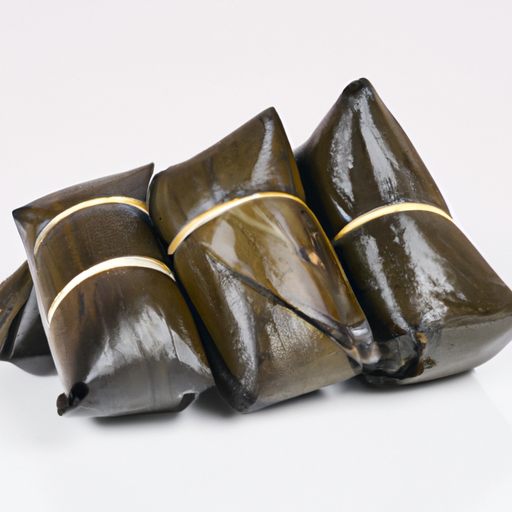
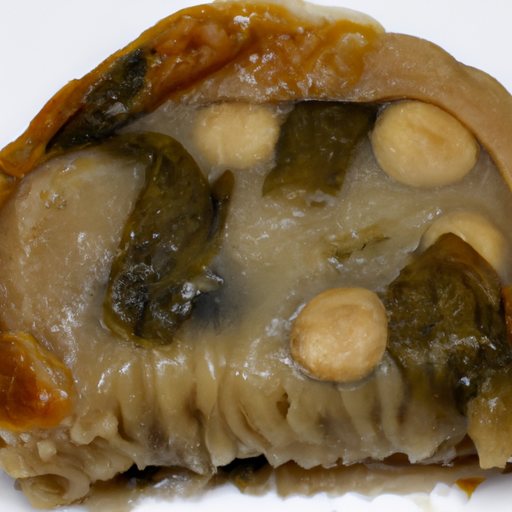
Fridge
35-40°F (2-4°C)
Wrap in paper then plastic. Store in airtight container
Proper cooking temperatures are critical for food safety. An instant-read food thermometer (Amazon) helps ensure meat reaches safe internal temperatures and reduces the risk of foodborne illness.
120 days
180 days
Mold, rancid smell, slimy surface
Vacuum sealing before freezing can help reduce freezer burn and extend storage time. A vacuum sealer (Amazon) helps maintain food quality during longer freezer storage.
Flavoring for rice dishes
Bacon, chorizo
The expiration date on packaged Lap Cheong indicates the date until which the sausage is expected to remain safe to consume. It is important to adhere to this date for safety reasons. However, the best quality of Lap Cheong may extend beyond the expiration date if the sausage has been stored properly. The quality may deteriorate in terms of flavor, texture, and overall appeal, but it may still be safe to consume if there are no signs of spoilage. It is recommended to use your best judgment and sensory evaluation to determine the quality of the sausage beyond the expiration date.
To check if Lap Cheong has gone bad, look for any signs of mold growth, a slimy or discolored appearance, or a sour or off smell. The texture should be firm and not overly soft. If you notice any of these indicators, it's best to discard the Lap Cheong to avoid consuming spoiled food.
Lap Cheong, also known as Chinese sausage, is a cured and dried pork sausage commonly used in Chinese cuisine. It is important to note that like any other meat product, there is a risk of foodborne illness if not handled and stored properly. To reduce the risk of contamination, it is crucial to ensure that the sausage is cooked thoroughly before consumption. Additionally, proper storage and refrigeration are essential to prevent the growth of harmful bacteria. If the sausage shows any signs of spoilage such as off odor, slimy texture, or discoloration, it should be discarded immediately to avoid foodborne illness.
To maximize the shelf life and maintain the quality of Lap Cheong, it is recommended to store the sausage in a cool, dry place away from direct sunlight. Once opened, it should be refrigerated in an airtight container or wrapped tightly in plastic wrap to prevent moisture loss and potential contamination. If storing for an extended period, freezing Lap Cheong is also an option to prolong its freshness. Before using frozen Lap Cheong, thaw it in the refrigerator to ensure even thawing and preserve the texture of the sausage.
Lap Cheong holds significant cultural importance in Chinese cuisine and is often used in various dishes to impart its unique savory and slightly sweet flavor. It is a staple ingredient in dishes like clay pot rice, fried rice, and stir-fries. In Chinese culture, Lap Cheong is also commonly given as a gift during festivals and celebrations, symbolizing good luck and prosperity. Its rich history and versatile use make it a beloved ingredient in Chinese cooking.
If Lap Cheong has been left at room temperature for 2 hours, it's generally safe to consume if it appears and smells normal. However, to minimize any risk of foodborne illness, it's best to refrigerate it promptly. If in doubt, discard the Lap Cheong.
Once opened, Lap Cheong can be safely eaten within 7 days if stored in the refrigerator. Make sure to keep it well-wrapped or in an airtight container to maintain its quality. If there are any signs of spoilage or an off smell, discard it.
The type of container you store Lap Cheong in can impact its shelf life. It's best to store Lap Cheong in airtight containers to prevent exposure to air and moisture. This helps maintain its quality and extends its shelf life compared to storing it in open packaging.
Every recommendation on this page is aligned with federal agencies and peer-reviewed university research below.
Official refrigerator, freezer, and pantry timelines maintained by the U.S. Department of Agriculture.
Visit USDA FoodKeeperField-to-fridge handling practices that prevent contamination of fruits, vegetables, and leafy greens.
Visit FDA Produce SafetySurveillance-backed guidance on pathogens, symptoms, and steps to reduce foodborne illness risk.
Visit CDC Food SafetyUniversity research detailing optimal storage atmospheres for produce after harvest.
Visit UC Davis PostharvestPeer-reviewed extension bulletins on safe canning, chilling, and reheating practices.
Visit Penn State ExtensionStorage: Freezer
View guide →
Storage: Fridge
View guide →
Storage: Freezer
View guide →
Storage: Fridge
View guide →
Storage: Fridge
View guide →
Storage: Freezer
View guide →
Storage: Fridge
View guide →
Storage: Fridge
View guide →
Storage: Fridge
View guide →
Important: These are general guidelines based on authoritative sources listed above. Always use your best judgment and when in doubt, throw it out.
Disclosure: As an Amazon Associate, we earn from qualifying purchases. This helps support our site and allows us to continue providing free food safety information.