USDAOfficial guidance
USDA FoodKeeper – Cold Storage Guidelines
Official refrigerator, freezer, and pantry timelines maintained by the U.S. Department of Agriculture.
Visit USDA FoodKeeperLast reviewed: January 2026
Reviewed by the Can I Eat Expired Editorial Team using official USDA, FDA, and CDC food safety guidance. How we assess food safety risk
Discard it after the expiration date.
Storage temperature, initial freshness, and how it has been handled change the answer — and those details are easy to miss.
Get a yes / no answer for your halibut →
Check Your Exact Situation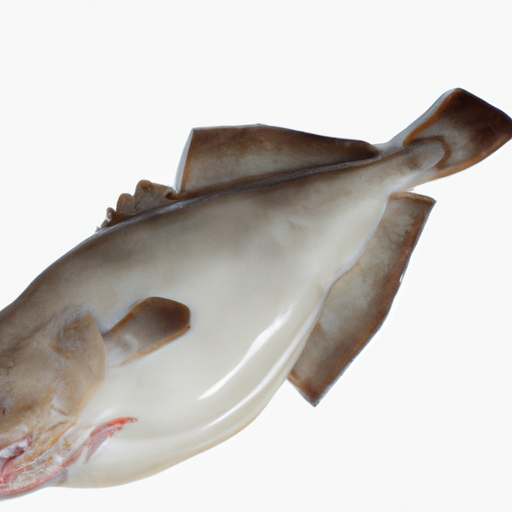
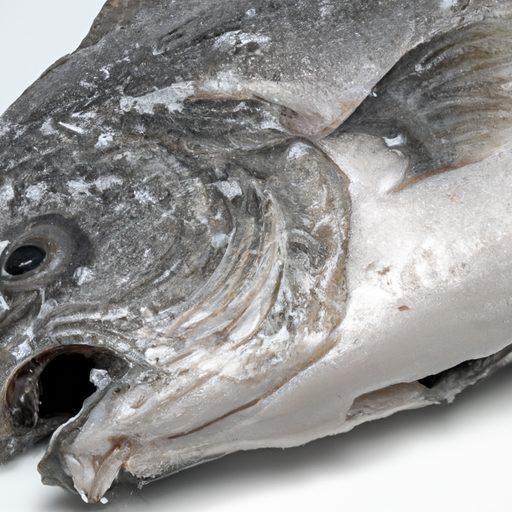
Fridge
32-38°F (0-3°C)
Wrap in moisture-proof paper and store in the coldest part of the fridge
Consistent cold storage is essential for food safety. A refrigerator thermometer (Amazon) helps monitor refrigerator temperature and ensures food stays at safe levels (40°F or below).
2 days
90 days
Foul fishy smell, slimy texture, discolored flesh
Proper packaging helps prevent freezer burn and contamination. Using freezer-safe storage bags (Amazon) can help preserve food quality during freezer storage.
Grilled, baked, or pan-seared with various seasonings and sauces
Salmon, cod, mahi-mahi
The expiration date on fresh halibut indicates the date by which the fish should be consumed to ensure its safety. However, the best quality of halibut is usually within 1-2 days of purchase or harvest. While halibut may still be safe to eat after the expiration date if properly stored, its quality in terms of taste and texture may deteriorate. It is always best to consume fresh halibut as soon as possible for optimal flavor and freshness.
To tell if Halibut Fresh Raw has gone bad, look for a slimy or sticky texture, a strong fishy odor, or a dull and discolored appearance. Fresh halibut should have a firm texture, a mild oceanic smell, and a shiny, translucent appearance. If you notice any of these signs, it's best to discard the fish to reduce the risk of foodborne illness.
Halibut, like other seafood, is susceptible to bacterial contamination if not handled and stored properly. To minimize the risk of foodborne illnesses such as scombrotoxin fish poisoning or bacterial infections like Vibrio parahaemolyticus, it is crucial to ensure that halibut is stored at proper temperatures and cooked to the recommended internal temperature of 145°F (63°C). Cross-contamination with other raw foods should also be avoided by using separate cutting boards and utensils when preparing halibut.
To optimize the storage of fresh halibut, it is recommended to keep the fish refrigerated at temperatures below 40°F (4°C) in the coldest part of the refrigerator, such as the bottom shelf. Store the halibut in a shallow dish or on a tray to catch any drips and prevent cross-contamination with other foods. It is best to consume fresh halibut within 1-2 days of purchase for the best quality. If you need to store halibut for a longer period, you can freeze it in an airtight container or vacuum-sealed bag for up to 6 months. Thaw frozen halibut in the refrigerator overnight before cooking to preserve its texture and flavor.
Halibut holds cultural significance in various indigenous communities and coastal regions where it is harvested. In Alaska, halibut is a prized fish that plays a significant role in the local economy and traditional subsistence practices. The Native Alaskan communities have long relied on halibut as a staple food source and have developed unique methods for catching, preparing, and preserving the fish. Halibut fishing is also a popular recreational activity in many coastal regions, attracting anglers seeking the thrill of catching this large and delicious fish.
It's recommended to consume Halibut Fresh Raw within 2 days of refrigeration for optimal freshness and safety. After 3 days, the risk of bacterial growth increases, potentially leading to foodborne illness. It's best to discard it to avoid any health risks.
Freezing Halibut Fresh Raw can alter its texture upon thawing. The flesh may become slightly mushy or lose some of its natural firmness. To minimize texture changes, consider vacuum-sealing the fish before freezing it. Thaw the fish slowly in the refrigerator to help retain its texture as much as possible.
While the shelf life of Halibut Fresh Raw is generally around 2 days when refrigerated, different brands may have slightly different expiration dates due to variations in processing and packaging methods. Always check the label for the manufacturer's recommended consumption timeframe and follow any specific storage instructions provided by the brand.
Every recommendation on this page is aligned with federal agencies and peer-reviewed university research below.
Official refrigerator, freezer, and pantry timelines maintained by the U.S. Department of Agriculture.
Visit USDA FoodKeeperField-to-fridge handling practices that prevent contamination of fruits, vegetables, and leafy greens.
Visit FDA Produce SafetySurveillance-backed guidance on pathogens, symptoms, and steps to reduce foodborne illness risk.
Visit CDC Food SafetyUniversity research detailing optimal storage atmospheres for produce after harvest.
Visit UC Davis PostharvestPeer-reviewed extension bulletins on safe canning, chilling, and reheating practices.
Visit Penn State ExtensionImportant: These are general guidelines based on authoritative sources listed above. Always use your best judgment and when in doubt, throw it out.
Disclosure: As an Amazon Associate, we earn from qualifying purchases. This helps support our site and allows us to continue providing free food safety information.