USDAOfficial guidance
USDA FoodKeeper – Cold Storage Guidelines
Official refrigerator, freezer, and pantry timelines maintained by the U.S. Department of Agriculture.
Visit USDA FoodKeeperStorage conditions, whether it is properly cooked, and exposure to contamination change the answer — and those details are easy to miss.
Get a yes / no answer for your chicken ground →
Last reviewed: January 2026
Reviewed by the Can I Eat Expired Editorial Team using official USDA, FDA, and CDC food safety guidance. How we assess food safety risk
Discard it after the expiration date.
⚠️ Undercooked or spoiled meat and poultry are leading causes of serious foodborne illness.
Freezer
-1.1°C (30°F)
Store in original packaging or airtight container to prevent freezer burn.
Proper cooking temperatures are critical for food safety. An instant-read food thermometer (Amazon) helps ensure meat reaches safe internal temperatures and reduces the risk of foodborne illness.
2 days
Foul odor, slimy texture, discoloration
Vacuum sealing before freezing can help reduce freezer burn and extend storage time. A vacuum sealer (Amazon) helps maintain food quality during longer freezer storage.
Can be used to make meatballs, burgers, or as a filling for tacos.
Ground turkey or beef
The expiration date on ground fresh raw chicken indicates the last day the product should be consumed for safety reasons. After this date, the risk of harmful bacteria growth increases. Best quality refers to the optimal flavor, texture, and freshness of the chicken. While the chicken may still be safe to eat after the expiration date if stored properly, its quality may deteriorate, affecting taste and texture.
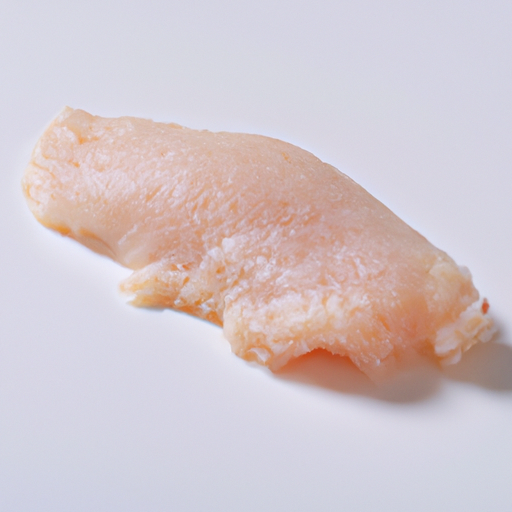
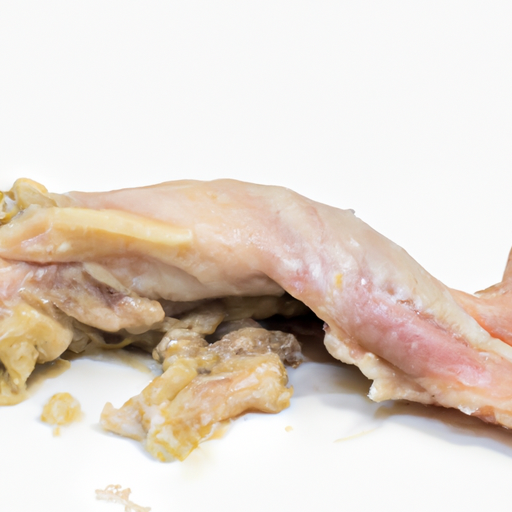
To determine if Chicken Ground Fresh Raw has gone bad, look for a change in color from pink to gray or greenish hues. Check for a sour or unpleasant odor, indicating spoilage. Additionally, feel the texture - if it's slimy or sticky, it's best to discard it.
When handling raw chicken, it is crucial to prevent cross-contamination with other foods. Raw chicken may contain harmful bacteria like Salmonella, Campylobacter, and E. coli, which can cause foodborne illnesses if not cooked properly. Be sure to wash hands, utensils, and surfaces thoroughly after handling raw chicken to avoid spreading bacteria.
To ensure optimal storage of ground fresh raw chicken, it is recommended to store it in the coldest part of the refrigerator, ideally below 40°F (4°C). Use a separate container or tray to prevent juices from dripping onto other foods. For longer storage, consider freezing the chicken in airtight packaging. Thaw frozen chicken in the refrigerator to maintain its quality and reduce the risk of bacterial growth.
Chicken is a versatile and popular protein source in many cultures around the world. In some cultures, chicken is considered a symbol of prosperity and is often featured in celebratory dishes. Different cultures have unique ways of preparing chicken, from spicy curries to grilled kebabs, showcasing the diversity of culinary traditions globally.
Once opened, Chicken Ground Fresh Raw should be consumed within 2 days if stored in the freezer. It's important to follow proper storage guidelines to ensure food safety. If any unusual odors, colors, or textures are noticed, discard the product immediately to reduce the risk of foodborne illness.
If Chicken Ground Fresh Raw has been at room temperature for 2 hours, it's best to discard it to avoid the risk of bacterial growth. The high-risk nature of raw chicken ground meat makes it susceptible to contamination when left out at room temperature for an extended period. Always prioritize food safety over consuming potentially unsafe meat.
The type of container can impact the shelf life of Chicken Ground Fresh Raw. Airtight containers or vacuum-sealed bags can help extend the shelf life in the freezer by preventing freezer burn and exposure to air. Always use food-grade containers to store raw chicken ground meat and ensure they are tightly sealed to maintain freshness and quality.
Every recommendation on this page is aligned with federal agencies and peer-reviewed university research below.
Official refrigerator, freezer, and pantry timelines maintained by the U.S. Department of Agriculture.
Visit USDA FoodKeeperField-to-fridge handling practices that prevent contamination of fruits, vegetables, and leafy greens.
Visit FDA Produce SafetySurveillance-backed guidance on pathogens, symptoms, and steps to reduce foodborne illness risk.
Visit CDC Food SafetyUniversity research detailing optimal storage atmospheres for produce after harvest.
Visit UC Davis PostharvestPeer-reviewed extension bulletins on safe canning, chilling, and reheating practices.
Visit Penn State ExtensionNeed deeper reading? Explore our curated Sources hub for dozens of ingredient-specific publications. Our food safety review methodology explains how safety determinations are made.
Frozen Foods
View expiration date and storage guide →
Frozen Foods
View expiration date and storage guide →
Frozen Foods
View expiration date and storage guide →
Frozen Foods
View expiration date and storage guide →
Frozen Foods
View expiration date and storage guide →
Frozen Foods
View expiration date and storage guide →
Seafood
View expiration date and storage guide →
Seafood
View expiration date and storage guide →
Frozen Foods
View expiration date and storage guide →
Important: These are general guidelines based on authoritative sources listed above. Always use your best judgment and when in doubt, throw it out. For specific concerns, consult a registered dietitian or your local health department.
Disclosure: As an Amazon Associate, we earn from qualifying purchases. This helps support our site and allows us to continue providing free food safety information.