USDAOfficial guidance
USDA FoodKeeper – Cold Storage Guidelines
Official refrigerator, freezer, and pantry timelines maintained by the U.S. Department of Agriculture.
Visit USDA FoodKeeperStorage conditions, initial freshness, and proper handling change the answer — and those details are easy to miss.
Get a yes / no answer for your basil →
Last reviewed: January 2026
Reviewed by the Can I Eat Expired Editorial Team using official USDA, FDA, and CDC food safety guidance. How we assess food safety risk
May be safe if properly stored and showing no spoilage signs. Check carefully before consuming.
⏱️ Safe for up to 3 days after expiry if properly stored and showing no spoilage signs.
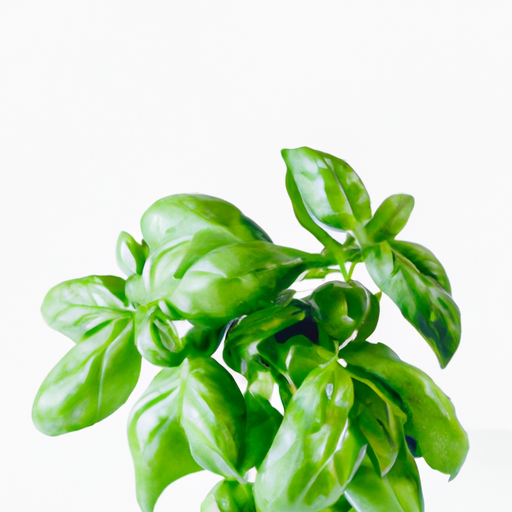
Fridge
4°C (40°F)
Store in a glass of water in the fridge
7 days
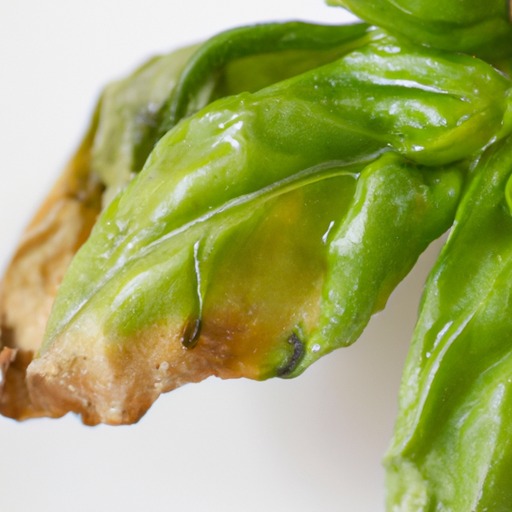
Wilted leaves, dark spots, slimy texture
Use in sauces or pesto
Dried basil, oregano
The expiration date on packaged basil typically indicates when the herb is no longer safe to consume due to potential spoilage or loss of flavor and aroma. Best quality, on the other hand, refers to the peak freshness and flavor of the basil. While it may still be safe to eat after the expiration date, the quality may have deteriorated, resulting in less flavorful dishes.
To determine if basil has gone bad, look for wilted, discolored, or slimy leaves. Check for a strong, unpleasant odor, which indicates spoilage. Additionally, feel the leaves for any mushy or slimy texture, as this can also signal that the basil is no longer fresh.
Fresh basil can pose a risk of foodborne illness if not handled and stored properly. It is susceptible to contamination by bacteria such as Salmonella and Listeria if it comes into contact with contaminated surfaces or water. To minimize these risks, always wash basil thoroughly under running water before use, and ensure that cutting boards, knives, and hands are clean when handling the herb.
To keep fresh basil at its best, trim the stems and place the herb in a jar of water like a bouquet of flowers. Cover the leaves loosely with a plastic bag and store in the refrigerator. Alternatively, you can freeze basil by chopping it finely and mixing with olive oil in ice cube trays for convenient use in cooking. Remember to label and date the frozen basil cubes for easy identification.
Basil is not only valued for its culinary uses but also holds cultural significance in various traditions. In Italian culture, basil is considered a symbol of love and fertility. It is often used in wedding ceremonies and given as a token of affection. Additionally, basil plays a prominent role in Mediterranean cuisine, particularly in pesto sauce, where its aromatic flavor shines.
Basil Fresh should be stored in the fridge to maximize its shelf life of 7 days. If left at room temperature, its shelf life may reduce to around 3-4 days due to faster spoilage. It's best to avoid leaving Basil Fresh out for extended periods to maintain freshness and reduce food safety risks.
If Basil Fresh has been kept at room temperature for a few hours, it should still be safe to consume within the 7-day shelf life. However, prolonged exposure to higher temperatures can accelerate spoilage. Check for any wilting, browning, or off odors before using it in your dishes.
Storing Basil Fresh in a breathable container or wrapping it in a paper towel inside a plastic bag can help extend its shelf life by reducing excess moisture. Avoid airtight containers as they can cause moisture buildup and lead to quicker deterioration. Opt for containers that allow some airflow to maintain freshness.
Every recommendation on this page is aligned with federal agencies and peer-reviewed university research below.
Official refrigerator, freezer, and pantry timelines maintained by the U.S. Department of Agriculture.
Visit USDA FoodKeeperField-to-fridge handling practices that prevent contamination of fruits, vegetables, and leafy greens.
Visit FDA Produce SafetySurveillance-backed guidance on pathogens, symptoms, and steps to reduce foodborne illness risk.
Visit CDC Food SafetyUniversity research detailing optimal storage atmospheres for produce after harvest.
Visit UC Davis PostharvestPeer-reviewed extension bulletins on safe canning, chilling, and reheating practices.
Visit Penn State ExtensionNeed deeper reading? Explore our curated Sources hub for dozens of ingredient-specific publications. Our food safety review methodology explains how safety determinations are made.
Dairy Products
View expiration date and storage guide →
Fruits & Vegetables
View expiration date and storage guide →
Beverages
View expiration date and storage guide →
Cooking Ingredients
View expiration date and storage guide →
Beverages
View expiration date and storage guide →
Fruits & Vegetables
View expiration date and storage guide →
Ready-to-Eat Meals
View expiration date and storage guide →
Dairy Products
View expiration date and storage guide →
Breakfast Foods
View expiration date and storage guide →
Important: These are general guidelines based on authoritative sources listed above. Always use your best judgment and when in doubt, throw it out. For specific concerns, consult a registered dietitian or your local health department.