USDAOfficial guidance
USDA FoodKeeper – Cold Storage Guidelines
Official refrigerator, freezer, and pantry timelines maintained by the U.S. Department of Agriculture.
Visit USDA FoodKeeperLast reviewed: January 2026
Reviewed by the Can I Eat Expired Editorial Team using official USDA, FDA, and CDC food safety guidance. How we assess food safety risk
Storage conditions, initial freshness, and proper handling change the answer — and those details are easy to miss.
Get a yes / no answer for your dried morel mushrooms →
Check Your Exact SituationThis food is often safe when handled and stored properly, but safety depends on how it's been kept and whether any spoilage signs are present.
⏱️ Safe for up to 30 days after expiry if properly stored and showing no spoilage signs.
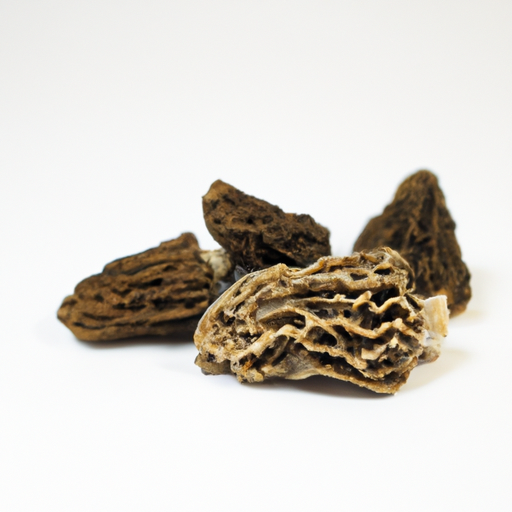
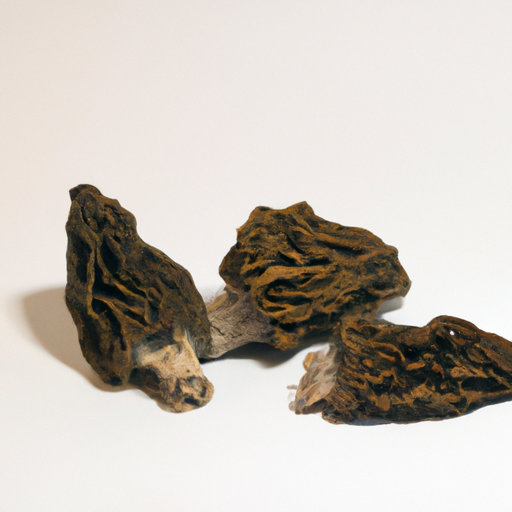
Cool Dark Place
50°F (10°C)
Store in a paper bag in a cool, dry place away from light.
365 days
180 days
Mold growth, off smell, slimy texture
Rehydrate for cooking, infuse flavor in broths
Dried porcini mushrooms, shiitake mushrooms
Over time, Dried Morel Mushrooms can lose their flavor, texture, and nutritional value. While they may not pose an immediate safety risk, their quality diminishes with age. The best quality is retained when stored in a cool, dry place away from sunlight.
To determine if dried morel mushrooms have gone bad, check for any signs of mold, a musty or rancid smell, or a change in texture from dry and brittle to moist or slimy. If you notice any of these indicators, it is best to discard the mushrooms to avoid any risk of food poisoning.
Dried Morel Mushrooms are susceptible to contamination by bacteria and molds such as Aspergillus. To reduce the risk of foodborne illness, ensure they are properly dried and stored in airtight containers. High-risk scenarios include exposure to moisture or improper storage conditions.
To maintain the flavor and texture of Dried Morel Mushrooms, store them in a sealed container with a desiccant packet to absorb moisture. Avoid exposing them to heat or humidity, as this can lead to spoilage. Before use, rehydrate the mushrooms in warm water for optimal results.
Morel Mushrooms are highly prized in gourmet cuisine for their unique nutty and earthy flavor. They have a rich culinary history and are considered a delicacy in many cultures. In some regions, Morels are foraged as a seasonal tradition, and their appearance is celebrated in festivals.
Dried Morel Mushrooms can generally be safe to eat if stored at room temperature for a day. However, prolonged exposure to higher temperatures may affect the quality. Check for any signs of spoilage such as off smells, unusual texture, or mold growth before consuming.
Freezing Dried Morel Mushrooms can alter their texture slightly. When thawed, they may become softer or slightly mushy. To minimize texture changes, consider using frozen Dried Morel Mushrooms in cooked dishes where texture is less crucial, like soups or stews.
While the quality of Dried Morel Mushrooms can vary between brands, the shelf life is generally consistent due to the drying process. Always check the expiration or best-by date on the packaging. Store them in a cool, dark place to maximize their shelf life.
Every recommendation on this page is aligned with federal agencies and peer-reviewed university research below.
Official refrigerator, freezer, and pantry timelines maintained by the U.S. Department of Agriculture.
Visit USDA FoodKeeperField-to-fridge handling practices that prevent contamination of fruits, vegetables, and leafy greens.
Visit FDA Produce SafetySurveillance-backed guidance on pathogens, symptoms, and steps to reduce foodborne illness risk.
Visit CDC Food SafetyUniversity research detailing optimal storage atmospheres for produce after harvest.
Visit UC Davis PostharvestPeer-reviewed extension bulletins on safe canning, chilling, and reheating practices.
Visit Penn State ExtensionStorage: Fridge
View guide →
Storage: Cool Dark Place
View guide →
Storage: Fridge
View guide →
Storage: Fridge
View guide →
Storage: Cool Dark Place
View guide →
Storage: Fridge
View guide →
Storage: Fridge
View guide →
Storage: Fridge
View guide →
Storage: Fridge
View guide →
Important: These are general guidelines based on authoritative sources listed above. Always use your best judgment and when in doubt, throw it out.