USDAOfficial guidance
USDA FoodKeeper – Cold Storage Guidelines
Official refrigerator, freezer, and pantry timelines maintained by the U.S. Department of Agriculture.
Visit USDA FoodKeeperStorage conditions, initial freshness, and proper handling change the answer — and those details are easy to miss.
Get a yes / no answer for your rosemary →
Last reviewed: January 2026
Reviewed by the Can I Eat Expired Editorial Team using official USDA, FDA, and CDC food safety guidance. How we assess food safety risk
May be safe if properly stored and showing no spoilage signs. Check carefully before consuming.
Fridge
32-40°F (0-4°C)
Wrap in damp paper towel, place in a plastic bag
7 days
180 days
Discoloration, wilting leaves, foul odor
Infusing oils, flavoring meats, enhancing soups and stews
Thyme, oregano, marjoram
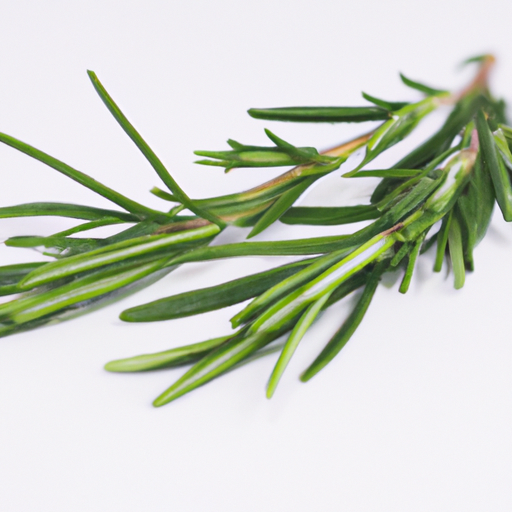
Fresh rosemary will start to degrade over time, losing flavor and aroma as it dries out. While it may still be safe to use beyond the expiration date, the best quality for culinary purposes is within the first week of purchase. Safety concerns are minimal as long as the herb shows no signs of mold or unusual discoloration.
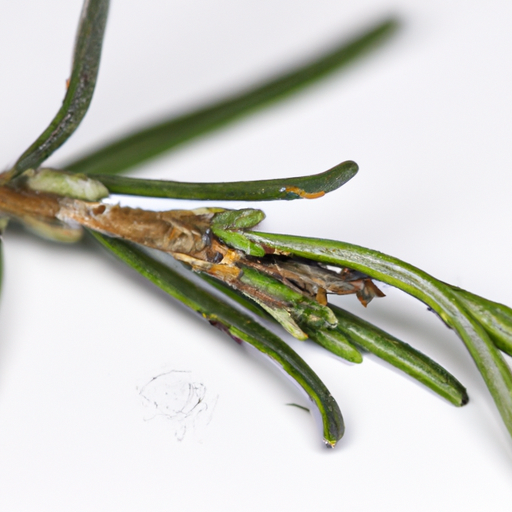
To determine if Rosemary Fresh Raw has gone bad, look for any signs of mold, discoloration, or wilting leaves. Check for a strong musty or off smell, which indicates spoilage. Additionally, fresh rosemary should have firm and vibrant green leaves, so discard it if it appears limp or has a slimy texture.
Fresh raw rosemary is generally safe to consume but may carry a minimal risk of bacterial contamination such as Salmonella or E. coli. To minimize these risks, always wash rosemary thoroughly under running water before use, especially if consumed raw. High-risk scenarios include cross-contamination with raw meat or poultry during preparation.
To prolong the freshness of fresh rosemary, store it in the refrigerator wrapped in a damp paper towel and placed in a perforated plastic bag. Alternatively, you can freeze rosemary sprigs in an airtight container or freeze them in olive oil in ice cube trays for convenient use in cooking. Remember to remove the stems before using frozen rosemary.
Rosemary has a rich history dating back to ancient civilizations such as the Greeks and Romans who considered it a symbol of remembrance and friendship. It is widely used in Mediterranean cuisine and is associated with various cultural traditions and ceremonies. In folklore, rosemary was believed to improve memory and ward off evil spirits.
If Rosemary Fresh Raw has been stored in the fridge for 10 days, it's best to discard it. The recommended shelf life is 7 days, and consuming it after this period increases the risk of foodborne illness.
You can freeze Rosemary Fresh Raw immediately after opening to extend its shelf life. Place it in an airtight container or freezer bag to maintain freshness. Properly frozen, Rosemary Fresh Raw can last for several months.
If Rosemary Fresh Raw has been at room temperature for 2 hours, it's still safe to consume within the 7-day shelf life. However, ensure there are no signs of spoilage like wilting, discoloration, or off odors before using it.
Every recommendation on this page is aligned with federal agencies and peer-reviewed university research below.
Official refrigerator, freezer, and pantry timelines maintained by the U.S. Department of Agriculture.
Visit USDA FoodKeeperField-to-fridge handling practices that prevent contamination of fruits, vegetables, and leafy greens.
Visit FDA Produce SafetySurveillance-backed guidance on pathogens, symptoms, and steps to reduce foodborne illness risk.
Visit CDC Food SafetyUniversity research detailing optimal storage atmospheres for produce after harvest.
Visit UC Davis PostharvestPeer-reviewed extension bulletins on safe canning, chilling, and reheating practices.
Visit Penn State ExtensionNeed deeper reading? Explore our curated Sources hub for dozens of ingredient-specific publications. Our food safety review methodology explains how safety determinations are made.
Dairy Products
View expiration date and storage guide →
Fruits & Vegetables
View expiration date and storage guide →
Beverages
View expiration date and storage guide →
Cooking Ingredients
View expiration date and storage guide →
Beverages
View expiration date and storage guide →
Fruits & Vegetables
View expiration date and storage guide →
Ready-to-Eat Meals
View expiration date and storage guide →
Dairy Products
View expiration date and storage guide →
Breakfast Foods
View expiration date and storage guide →
Important: These are general guidelines based on authoritative sources listed above. Always use your best judgment and when in doubt, throw it out. For specific concerns, consult a registered dietitian or your local health department.