USDAOfficial guidance
USDA FoodKeeper – Cold Storage Guidelines
Official refrigerator, freezer, and pantry timelines maintained by the U.S. Department of Agriculture.
Visit USDA FoodKeeperStorage temperature, how long it has been opened, and package integrity change the answer — and those details are easy to miss.
Last reviewed: January 2026
Reviewed by the Can I Eat Expired Editorial Team using official USDA, FDA, and CDC food safety guidance. How we assess food safety risk
Discard it after the expiration date.
Get a yes / no answer for your eggs out of the shell →
⚠️ Eating spoiled dairy is one of the most common causes of food poisoning at home.
Fridge
40°F (4°C)
Store in original carton, pointed end down
Dairy products require consistent cold storage (40°F or below) to prevent spoilage. A refrigerator thermometer (Amazon) helps ensure your refrigerator maintains safe temperatures.
21 days
60 days
Unpleasant odor, slimy texture, off-color appearance
Transferring opened dairy into an airtight container (Amazon) can reduce odor absorption and moisture exposure.
Baking, cooking, as an ingredient in various dishes
Egg substitutes, tofu, banana
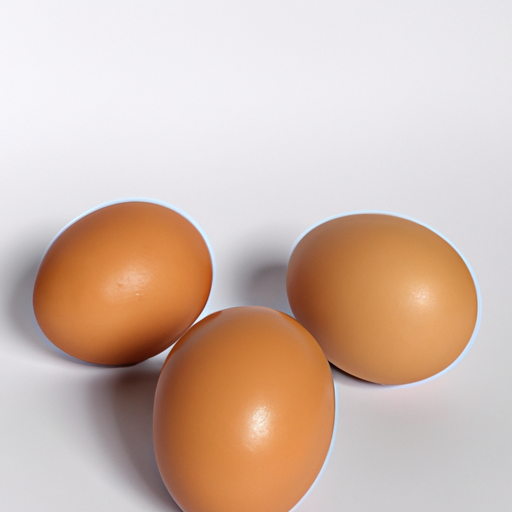
Fresh raw eggs out of the shell have a limited shelf life due to the risk of Salmonella. While eggs may be safe to eat beyond the expiration date if properly stored, their quality deteriorates over time. As eggs age, the whites become thinner, and the yolks flatten. For optimal safety and quality, it's recommended to consume eggs before the expiration date.
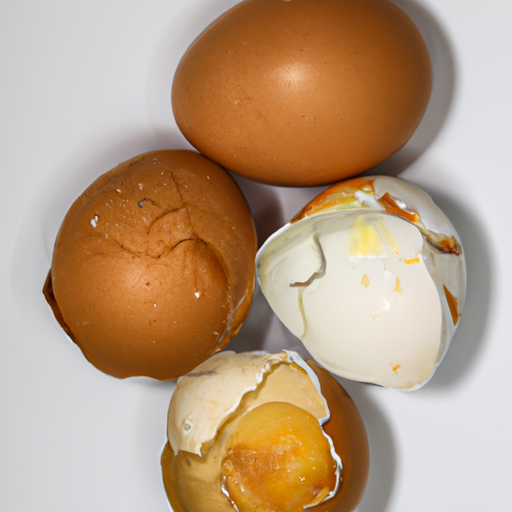
To check if raw eggs out of the shell have gone bad, look for any changes in color or texture, such as a runny or discolored egg white. A sour or sulfur-like smell is a clear indicator of spoilage. Always discard any eggs that show these signs to avoid foodborne illness.
Raw eggs pose a risk of Salmonella contamination, a bacteria that can cause food poisoning. To reduce the risk of foodborne illness, avoid consuming raw or undercooked eggs, especially for young children, pregnant women, elderly individuals, and those with weakened immune systems. High-risk scenarios include dishes like homemade mayonnaise, Caesar salad dressing, and eggnog made with raw eggs.
To prolong the freshness of raw eggs, store them in their original carton in the refrigerator rather than in the door where temperatures fluctuate. Keep eggs away from strong-smelling foods as they can absorb odors. If you crack an egg and notice an off smell or unusual appearance, discard it to reduce the risk of foodborne illness.
Eggs have been a symbol of fertility, rebirth, and new life in many cultures throughout history. In some cultures, eggs are associated with spring festivals and celebrations of renewal. Additionally, the color of an eggshell can vary depending on the breed of the hen, with hues ranging from white and brown to blue and green.
Eggs Fresh Raw Out Of the Shell should not be left out at room temperature for more than 2 hours. After this time, bacteria can start to grow rapidly, increasing the risk of foodborne illness. Always refrigerate eggs promptly to maintain freshness and safety.
Once Eggs Fresh Raw Out Of the Shell are cracked open, they should be consumed within 2 hours if kept at room temperature or within 24 hours if refrigerated. Remember to store cracked eggs in an airtight container in the fridge to maintain their quality and safety.
The type of container can impact the shelf life of Eggs Fresh Raw Out Of the Shell. It's best to store them in their original carton in the fridge to protect them from absorbing strong odors and to maintain their quality. Avoid storing them in plastic bags or containers as they can impact the egg's taste.
Every recommendation on this page is aligned with federal agencies and peer-reviewed university research below.
Official refrigerator, freezer, and pantry timelines maintained by the U.S. Department of Agriculture.
Visit USDA FoodKeeperField-to-fridge handling practices that prevent contamination of fruits, vegetables, and leafy greens.
Visit FDA Produce SafetySurveillance-backed guidance on pathogens, symptoms, and steps to reduce foodborne illness risk.
Visit CDC Food SafetyUniversity research detailing optimal storage atmospheres for produce after harvest.
Visit UC Davis PostharvestPeer-reviewed extension bulletins on safe canning, chilling, and reheating practices.
Visit Penn State ExtensionImportant: These are general guidelines based on authoritative sources listed above. Always use your best judgment and when in doubt, throw it out.
Disclosure: As an Amazon Associate, we earn from qualifying purchases. This helps support our site and allows us to continue providing free food safety information.