USDAOfficial guidance
USDA FoodKeeper – Cold Storage Guidelines
Official refrigerator, freezer, and pantry timelines maintained by the U.S. Department of Agriculture.
Visit USDA FoodKeeperStorage conditions, initial freshness, and proper handling change the answer — and those details are easy to miss.
Get a yes / no answer for your white alba truffle →
Check Your Exact Situation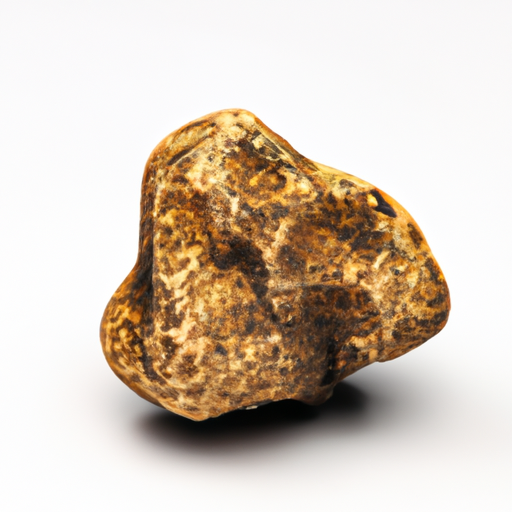
Last reviewed: January 2026
Reviewed by the Can I Eat Expired Editorial Team using official USDA, FDA, and CDC food safety guidance. How we assess food safety risk
Discard it after the expiration date.
Fridge
34-36°F (1-2°C)
Wrap in paper towel, then in airtight glass jar with rice. Change paper daily
5 days
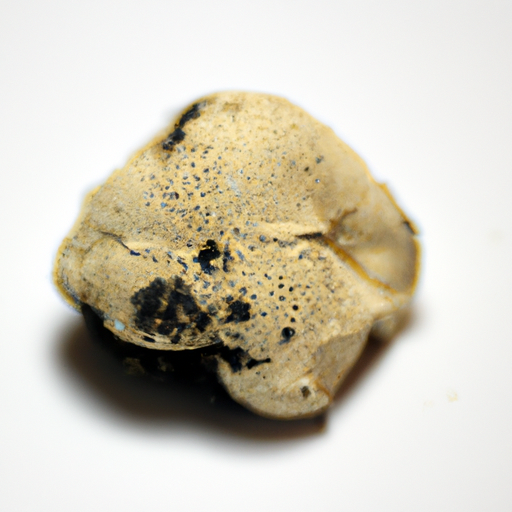
Soft spots, dark patches, mold, loss of aroma, wrinkled surface
Infuse high-quality oils
Black truffles, truffle oil (for aroma only)
White Alba Truffles, like other fresh truffles, do not have a strict expiration date but rather a peak freshness period. The best quality truffles are those that are fresh, firm, and have a strong aroma. As truffles age, they lose their aroma and flavor, diminishing their quality. While truffles do not necessarily spoil in the same way as other foods, they are best enjoyed within a few days of purchase to fully savor their flavor and aroma. Proper storage is key to maintaining their quality for as long as possible.
To tell if White Alba Truffle has gone bad, check for any dark spots or mold on the surface. It should have a strong, pungent aroma, indicating freshness. The texture should be firm and not overly soft or mushy.
White Alba Truffles are a highly prized and expensive delicacy known for their unique aroma and flavor. However, there are food safety risks associated with consuming truffles, especially if they are not sourced from reputable suppliers or if they are not handled and stored properly. Contamination can occur during harvesting, processing, or storage, leading to foodborne illnesses. It is essential to purchase truffles from trusted sources and ensure they are fresh and free from mold or signs of spoilage before consumption.
To prolong the freshness of White Alba Truffles, it is recommended to store them properly. Wrap the truffles individually in paper towels to absorb excess moisture, place them in an airtight container, and store them in the refrigerator. Avoid storing truffles in plastic bags or containers as they need to breathe. Check the truffles regularly for any signs of spoilage, such as mold or a funky odor, and discard any truffles that show these signs. For optimal flavor, it is best to shave or grate the truffles over dishes just before serving to fully enjoy their aroma and taste.
White Alba Truffles, also known as 'Alba truffles' or 'Piedmont truffles,' are highly sought after for their intense aroma and flavor. They are predominantly found in the Piedmont region of northern Italy, particularly around the town of Alba, hence the name. These truffles are considered a culinary delicacy and are often referred to as 'diamonds of the kitchen' due to their rarity and high price. In Italian cuisine, they are used in various dishes, such as pasta, risotto, and eggs, to impart their unique flavor. Truffle hunting with trained dogs or pigs is a traditional practice in the region, adding to the cultural significance of these prized fungi.
It's best to store White Alba Truffle separately from other fresh produce to prevent cross-contamination. The strong aroma of truffles can easily transfer to other foods, altering their flavors. Keep them in a sealed container or airtight bag in the fridge to maintain their unique aroma and taste.
Leaving White Alba Truffle at room temperature can significantly reduce its shelf life. Truffles are sensitive to heat and moisture, which can promote mold growth and spoilage. Always store them in the fridge to maintain freshness and flavor. If left at room temperature for too long, it's safer to discard them.
Choosing the right container is crucial for preserving the quality of White Alba Truffle. Opt for containers that are airtight and moisture-resistant to prevent the truffles from drying out or absorbing odors from the fridge. Proper storage in a sealed glass or plastic container can help extend the shelf life of truffles.
Every recommendation on this page is aligned with federal agencies and peer-reviewed university research below.
Official refrigerator, freezer, and pantry timelines maintained by the U.S. Department of Agriculture.
Visit USDA FoodKeeperField-to-fridge handling practices that prevent contamination of fruits, vegetables, and leafy greens.
Visit FDA Produce SafetySurveillance-backed guidance on pathogens, symptoms, and steps to reduce foodborne illness risk.
Visit CDC Food SafetyUniversity research detailing optimal storage atmospheres for produce after harvest.
Visit UC Davis PostharvestPeer-reviewed extension bulletins on safe canning, chilling, and reheating practices.
Visit Penn State ExtensionImportant: These are general guidelines based on authoritative sources listed above. Always use your best judgment and when in doubt, throw it out.