USDAOfficial guidance
USDA FoodKeeper – Cold Storage Guidelines
Official refrigerator, freezer, and pantry timelines maintained by the U.S. Department of Agriculture.
Visit USDA FoodKeeperLast reviewed: January 2026
Reviewed by the Can I Eat Expired Editorial Team using official USDA, FDA, and CDC food safety guidance. How we assess food safety risk
Storage temperature, how long it has been opened, and package integrity change the answer — and those details are easy to miss.
Get a yes / no answer for your un mozzarella →
Check Your Exact SituationThis food is often safe when handled and stored properly, but safety depends on how it's been kept and whether any spoilage signs are present.
⏱️ Safe for up to 14 days after expiry if properly stored and showing no spoilage signs.
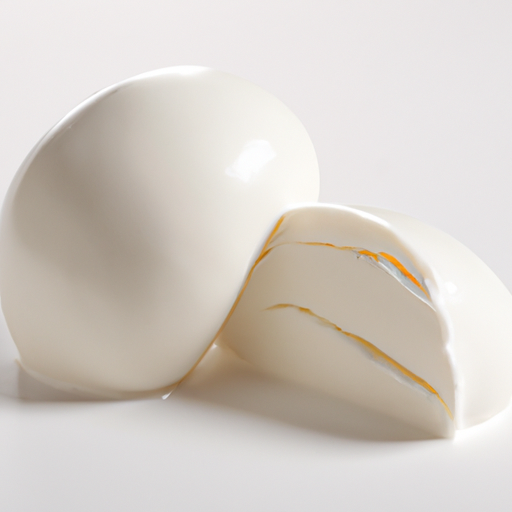
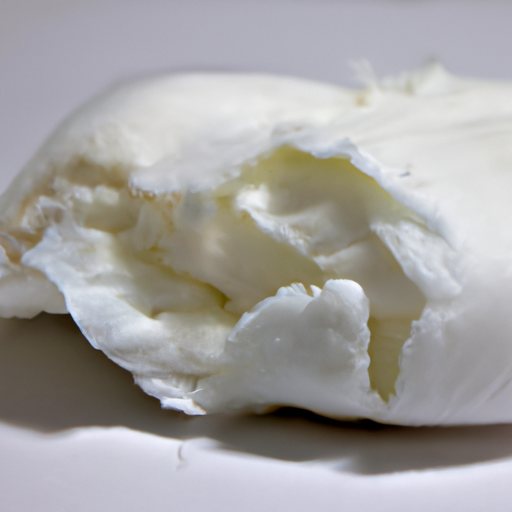
Fridge
34-40°F (1-4°C)
Keep in original packaging until ready to use. Store in cheese drawer or crisper.
Dairy products require consistent cold storage (40°F or below) to prevent spoilage. A refrigerator thermometer (Amazon) helps ensure your refrigerator maintains safe temperatures.
180 days
180 days
Mold growth, unusual odor, package damage, discoloration
Transferring opened dairy into an airtight container (Amazon) can reduce odor absorption and moisture exposure.
Pizza topping, cooking, cheese boards
Provolone, mild cheese, fresh mozzarella
The expiration date on packaged mozzarella indicates the last day the product is guaranteed to be at its peak quality in terms of taste and texture. Consuming mozzarella past this date may result in a decline in quality, such as changes in flavor, texture, and potential spoilage. However, it does not necessarily mean the product is unsafe to eat. On the other hand, the best quality date refers to the period during which the mozzarella is expected to taste its freshest and have the best texture. It is advisable to consume mozzarella before the best quality date for optimal enjoyment.
To check if unopened packaged mozzarella has gone bad, look for any signs of mold or discoloration on the surface. Sniff the cheese for any sour or unpleasant odors. If the mozzarella feels slimy or sticky to the touch, it is likely spoiled and should be discarded.
Unopened packaged mozzarella carries a risk of contamination by bacteria such as Listeria monocytogenes, which can cause serious foodborne illness, especially in vulnerable populations like pregnant women, elderly individuals, and those with weakened immune systems. It is crucial to store mozzarella properly and adhere to expiration dates to minimize these risks.
To extend the shelf life of unopened packaged mozzarella, store it in the refrigerator at a temperature of around 40°F (4°C). Keep the cheese in its original packaging or transfer it to an airtight container or resealable bag to prevent moisture loss and absorption of odors. Avoid freezing mozzarella as it can alter the texture and affect its taste. If the cheese develops mold or an off smell, discard it immediately to reduce the risk of foodborne illness.
Mozzarella, a traditional Italian cheese, holds cultural significance as a staple ingredient in classic dishes like Caprese salad, Margherita pizza, and lasagna. It is known for its smooth, creamy texture and mild flavor. In Italy, mozzarella di bufala, made from water buffalo milk, is highly prized for its rich taste and distinctiveness. The art of making mozzarella has been passed down through generations, reflecting the country's culinary heritage.
Unopened Packaged Mozzarella should not be left at room temperature for more than 2 hours. Beyond this time, there is a risk of bacterial growth and spoilage, which can lead to foodborne illnesses. It's best to refrigerate it promptly.
Yes, you can still consume Unopened Packaged Mozzarella after it has been frozen and thawed. However, freezing may alter the texture slightly, making it more suitable for cooking rather than eating raw. Ensure it is thawed in the refrigerator to maintain quality.
The type of packaging can impact the shelf life of Unopened Packaged Mozzarella. Vacuum-sealed packaging typically extends the shelf life compared to resealable bags. Ensure the original packaging is intact to maintain freshness.
Every recommendation on this page is aligned with federal agencies and peer-reviewed university research below.
Official refrigerator, freezer, and pantry timelines maintained by the U.S. Department of Agriculture.
Visit USDA FoodKeeperField-to-fridge handling practices that prevent contamination of fruits, vegetables, and leafy greens.
Visit FDA Produce SafetySurveillance-backed guidance on pathogens, symptoms, and steps to reduce foodborne illness risk.
Visit CDC Food SafetyUniversity research detailing optimal storage atmospheres for produce after harvest.
Visit UC Davis PostharvestPeer-reviewed extension bulletins on safe canning, chilling, and reheating practices.
Visit Penn State ExtensionStorage: Fridge
View guide →
Storage: Fridge
View guide →
Storage: Fridge
View guide →
Storage: Fridge
View guide →
Storage: Fridge
View guide →
Storage: Fridge
View guide →
Storage: Fridge
View guide →
Storage: Fridge
View guide →
Storage: Fridge
View guide →
Important: These are general guidelines based on authoritative sources listed above. Always use your best judgment and when in doubt, throw it out.
Disclosure: As an Amazon Associate, we earn from qualifying purchases. This helps support our site and allows us to continue providing free food safety information.