USDAOfficial guidance
USDA FoodKeeper – Cold Storage Guidelines
Official refrigerator, freezer, and pantry timelines maintained by the U.S. Department of Agriculture.
Visit USDA FoodKeeperStorage temperature, initial freshness, and how it has been handled change the answer — and those details are easy to miss.
Get a yes / no answer for your smoked salmon at grocery fish counter →
Last reviewed: January 2026
Reviewed by the Can I Eat Expired Editorial Team using official USDA, FDA, and CDC food safety guidance. How we assess food safety risk
May be safe if properly stored and showing no spoilage signs. Check carefully before consuming.
⚠️ Seafood spoils quickly and can cause severe food poisoning if consumed past its prime.
Fridge
32°F (0°C)
Vacuum sealed
Consistent cold storage is essential for food safety. A refrigerator thermometer (Amazon) helps monitor refrigerator temperature and ensures food stays at safe levels (40°F or below).
5 days
90 days
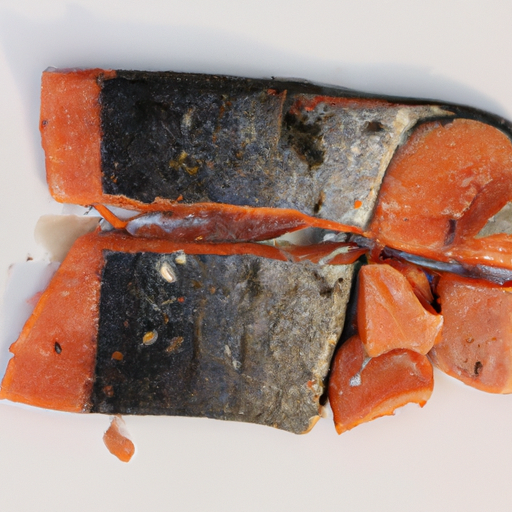
Unpleasant smell, slimy texture, discolored patches
Proper packaging helps prevent freezer burn and contamination. Using freezer-safe storage bags (Amazon) can help preserve food quality during freezer storage.
Salmon salad, sushi rolls, pasta topping
Smoked trout, grilled chicken
The expiration date on smoked salmon indicates the date by which it should be consumed for safety reasons. Consuming smoked salmon after the expiration date can increase the risk of foodborne illness. On the other hand, the best quality of smoked salmon is usually within a few days of purchase or before the expiration date. After this period, the texture and flavor may deteriorate, even though it may still be safe to eat if stored correctly.
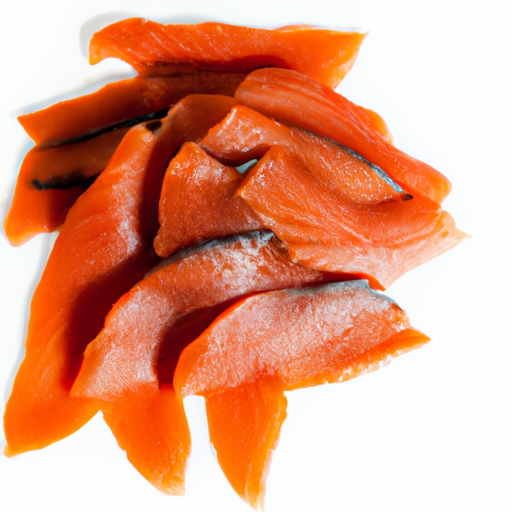
To determine if smoked salmon sliced at the grocery fish counter has gone bad, look for any signs of sliminess or discoloration on the surface. The salmon should have a fresh, oceanic smell – if it smells sour or off, it may be spoiled. Additionally, check the texture of the salmon; it should feel firm and moist, not mushy or excessively dry.
Smoked salmon is a potentially hazardous food due to its high protein and moisture content, making it susceptible to bacterial growth if not handled and stored properly. The risk of foodborne illness from smoked salmon increases if it is not stored at the correct temperature or if it comes into contact with contaminated surfaces or cross-contaminated with other foods.
To store smoked salmon properly, it is best to keep it refrigerated at or below 40°F (4°C) in its original packaging or an airtight container. If the smoked salmon is sliced at the grocery fish counter, ask for it to be wrapped in parchment paper or butcher paper to prevent it from drying out. Once opened, consume the smoked salmon within 3-5 days for the best quality. If you have leftover smoked salmon, you can freeze it for up to 2-3 months, but the texture may change slightly upon thawing. To enhance the flavor of smoked salmon, serve it at room temperature and pair it with complementary ingredients like capers, red onions, dill, or lemon slices.
Smoked salmon has been a traditional food in many cultures, including Scandinavian, Native American, and Jewish cuisines. In Scandinavian countries like Norway and Scotland, smoked salmon is a delicacy known as 'gravlax' or 'lox.' In Native American cultures, smoked salmon plays a significant role in ceremonies and feasts. In Jewish cuisine, smoked salmon is commonly served on bagels with cream cheese. The process of smoking salmon has been practiced for centuries to preserve the fish and enhance its flavor.
Storing Smoked Salmon Sliced at Grocery Fish Counter at room temperature for more than 2 hours can increase the risk of bacterial growth and spoilage. It's recommended to refrigerate it promptly to maintain its quality and safety.
For Smoked Salmon Sliced at Grocery Fish Counter, it's best to consume within 5 days of purchase for optimal quality and safety. Eating it after 6 days may pose a higher risk of foodborne illness. When in doubt, it's safer to discard it.
The type of container can impact the shelf life of Smoked Salmon Sliced at Grocery Fish Counter. Opt for airtight containers or packaging to maintain freshness and prevent cross-contamination with other foods in the fridge. Avoid storing it in open containers to prolong its shelf life.
Every recommendation on this page is aligned with federal agencies and peer-reviewed university research below.
Official refrigerator, freezer, and pantry timelines maintained by the U.S. Department of Agriculture.
Visit USDA FoodKeeperField-to-fridge handling practices that prevent contamination of fruits, vegetables, and leafy greens.
Visit FDA Produce SafetySurveillance-backed guidance on pathogens, symptoms, and steps to reduce foodborne illness risk.
Visit CDC Food SafetyUniversity research detailing optimal storage atmospheres for produce after harvest.
Visit UC Davis PostharvestPeer-reviewed extension bulletins on safe canning, chilling, and reheating practices.
Visit Penn State ExtensionNeed deeper reading? Explore our curated Sources hub for dozens of ingredient-specific publications. Our food safety review methodology explains how safety determinations are made.
Dairy Products
View expiration date and storage guide →
Fruits & Vegetables
View expiration date and storage guide →
Beverages
View expiration date and storage guide →
Cooking Ingredients
View expiration date and storage guide →
Beverages
View expiration date and storage guide →
Fruits & Vegetables
View expiration date and storage guide →
Ready-to-Eat Meals
View expiration date and storage guide →
Dairy Products
View expiration date and storage guide →
Breakfast Foods
View expiration date and storage guide →
Important: These are general guidelines based on authoritative sources listed above. Always use your best judgment and when in doubt, throw it out. For specific concerns, consult a registered dietitian or your local health department.
Disclosure: As an Amazon Associate, we earn from qualifying purchases. This helps support our site and allows us to continue providing free food safety information.