USDAOfficial guidance
USDA FoodKeeper – Cold Storage Guidelines
Official refrigerator, freezer, and pantry timelines maintained by the U.S. Department of Agriculture.
Visit USDA FoodKeeperStorage temperature, initial freshness, and how it has been handled change the answer — and those details are easy to miss.
Get a yes / no answer for your mussels purchased →
Last reviewed: January 2026
Reviewed by the Can I Eat Expired Editorial Team using official USDA, FDA, and CDC food safety guidance. How we assess food safety risk
Discard it after the expiration date.
⚠️ Seafood spoils quickly and can cause severe food poisoning if consumed past its prime.
Freezer
-4°F (-20°C)
Keep in original packaging or airtight container
Consistent cold storage is essential for food safety. A refrigerator thermometer (Amazon) helps monitor refrigerator temperature and ensures food stays at safe levels (40°F or below).
180 days
Unpleasant odor, slimy texture, discolored appearance
Proper packaging helps prevent freezer burn and contamination. Using freezer-safe storage bags (Amazon) can help preserve food quality during freezer storage.
Seafood pasta, chowder, seafood risotto
Clams, shrimp, scallops
The expiration date on commercially frozen mussels indicates the last date at which the mussels are guaranteed to be at their best quality in terms of taste and texture. Consuming mussels past the expiration date may not necessarily make you sick, but they may not taste as fresh or flavorful. It is always best to follow the expiration date for optimal quality. However, if stored properly, frozen mussels can still be safe to eat for several months beyond the expiration date, but the quality may deteriorate over time.
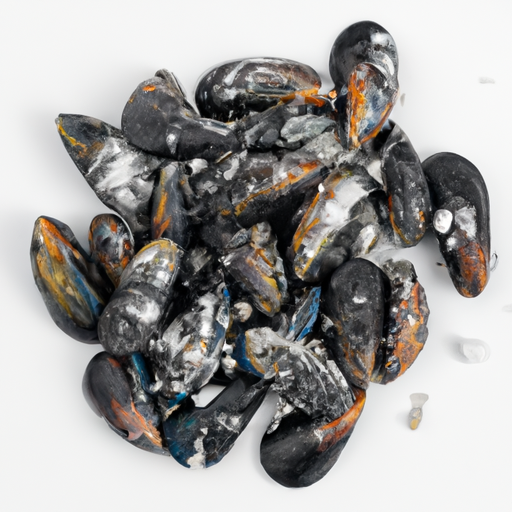
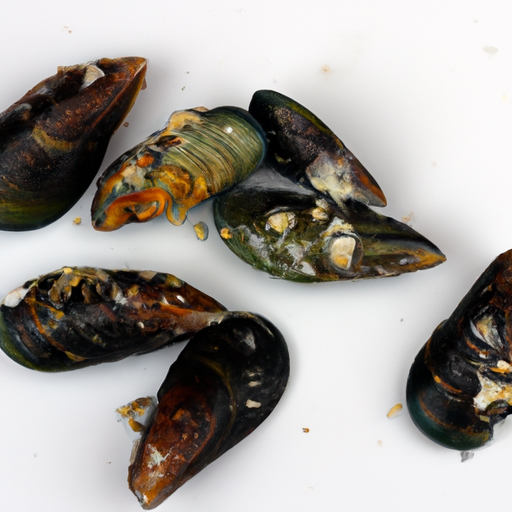
When checking if commercially frozen mussels have gone bad, look for any signs of freezer burn, such as ice crystals or discoloration. Additionally, be wary of any off-putting odors, as fresh mussels should have a clean, briny smell. Lastly, ensure the texture is still firm and not mushy or slimy, as this could indicate spoilage.
When handling commercially frozen mussels, it is crucial to ensure they are properly thawed before cooking. Thawing at room temperature can lead to bacterial growth, so it is recommended to thaw them in the refrigerator or under cold running water. Once thawed, cook the mussels thoroughly to an internal temperature of at least 145°F (63°C) to kill any potential pathogens. Additionally, always discard any mussels that have an off smell or appear to be slimy or discolored, as these are signs of spoilage.
To store commercially frozen mussels, keep them in their original packaging and store them in the coldest part of your freezer, ideally at 0°F (-18°C) or below. Properly frozen mussels can last for up to 6 months in the freezer. When thawing mussels, avoid using hot water or leaving them at room temperature for extended periods. Thaw them in the refrigerator overnight or under cold running water for quicker thawing. Once thawed, cook the mussels promptly to ensure food safety and quality.
Mussels have been consumed by various cultures around the world for centuries. They are a popular delicacy in Mediterranean cuisine, where they are often cooked in a flavorful broth with herbs and spices. In Belgium, moules-frites (mussels and fries) is a classic dish enjoyed by many. Mussels are also environmentally friendly as they are filter feeders, helping to improve water quality by removing excess nutrients from the water.
It's not recommended to refreeze Mussels Purchased Commercially Frozen once it has been thawed. Refreezing can affect the quality and texture of the mussels, leading to potential spoilage and food safety risks. It's best to cook and consume them after thawing.
After thawing, Mussels Purchased Commercially Frozen should be cooked and consumed within 2 days if stored in the refrigerator at or below 40°F (4°C). Properly store them in an airtight container to maintain freshness and minimize the risk of spoilage.
It's not safe to consume Mussels Purchased Commercially Frozen if they have been stored in the refrigerator for more than 180 days beyond the expiration date. Discard them to prevent the risk of foodborne illness, as their quality and safety may have significantly deteriorated.
Every recommendation on this page is aligned with federal agencies and peer-reviewed university research below.
Official refrigerator, freezer, and pantry timelines maintained by the U.S. Department of Agriculture.
Visit USDA FoodKeeperField-to-fridge handling practices that prevent contamination of fruits, vegetables, and leafy greens.
Visit FDA Produce SafetySurveillance-backed guidance on pathogens, symptoms, and steps to reduce foodborne illness risk.
Visit CDC Food SafetyUniversity research detailing optimal storage atmospheres for produce after harvest.
Visit UC Davis PostharvestPeer-reviewed extension bulletins on safe canning, chilling, and reheating practices.
Visit Penn State ExtensionNeed deeper reading? Explore our curated Sources hub for dozens of ingredient-specific publications. Our food safety review methodology explains how safety determinations are made.
Frozen Foods
View expiration date and storage guide →
Frozen Foods
View expiration date and storage guide →
Frozen Foods
View expiration date and storage guide →
Frozen Foods
View expiration date and storage guide →
Frozen Foods
View expiration date and storage guide →
Meat & Poultry
View expiration date and storage guide →
Frozen Foods
View expiration date and storage guide →
Meat & Poultry
View expiration date and storage guide →
Meat & Poultry
View expiration date and storage guide →
Important: These are general guidelines based on authoritative sources listed above. Always use your best judgment and when in doubt, throw it out. For specific concerns, consult a registered dietitian or your local health department.
Disclosure: As an Amazon Associate, we earn from qualifying purchases. This helps support our site and allows us to continue providing free food safety information.