USDAOfficial guidance
USDA FoodKeeper – Cold Storage Guidelines
Official refrigerator, freezer, and pantry timelines maintained by the U.S. Department of Agriculture.
Visit USDA FoodKeeperStorage conditions, initial freshness, and proper handling change the answer — and those details are easy to miss.
Get a yes / no answer for your lamb entrees dinners →
Check Your Exact Situation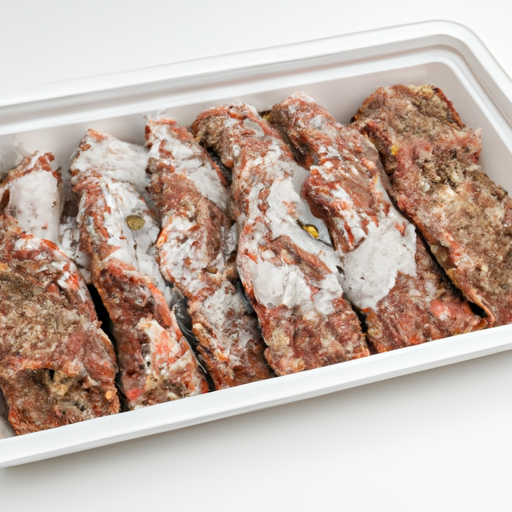
Last reviewed: January 2026
Reviewed by the Can I Eat Expired Editorial Team using official USDA, FDA, and CDC food safety guidance. How we assess food safety risk
May be safe if properly stored and showing no spoilage signs. Check carefully before consuming.
Freezer
-10°C (14°F)
Keep in original packaging or airtight freezer bag
Freezer temperature consistency matters for food quality and safety. A freezer thermometer (Amazon) helps ensure your freezer maintains proper freezing conditions (0°F or below).
180 days
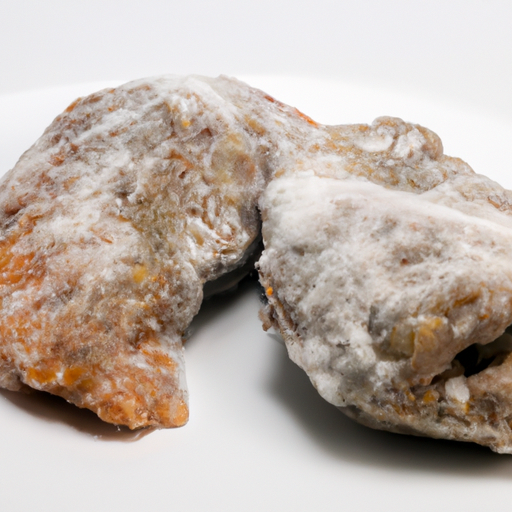
Frost or ice crystals, off smell, discoloration
Proper freezer storage helps maintain food quality. Using freezer-safe containers (Amazon) can help prevent freezer burn and protect against contamination.
Can be used in stews, casseroles, or as a topping for salads
Beef or venison
The expiration date on commercially frozen lamb entrees dinners indicates the last date the product should be consumed for safety reasons. Beyond this date, there is an increased risk of bacterial contamination and foodborne illness. On the other hand, the 'best quality' date refers to the period during which the lamb entrees will retain their optimal flavor, texture, and quality. Consuming the lamb before the 'best quality' date ensures the best eating experience, but it can still be safe to eat beyond that date if stored properly and not spoiled.
To determine if commercially frozen lamb entrée dinners have spoiled, look for any signs of freezer burn such as discoloration or ice crystals. Check for a foul or rancid odor, as well as any slimy or mushy texture on the meat. If you notice any of these indicators, it's best to discard the lamb entrée as it may no longer be safe to consume.
When handling lamb entrees dinners that are commercially frozen, it is important to be aware of the risks associated with improper thawing and cooking. Lamb, like other meats, can harbor harmful bacteria such as E. coli, Salmonella, and Listeria if not handled and cooked properly. Make sure to thaw the frozen lamb entrees in the refrigerator, cold water, or using the microwave to prevent bacteria growth. Additionally, cook the lamb to an internal temperature of at least 145°F (63°C) to ensure that any potential bacteria are killed and the meat is safe to eat.
To optimize the storage of commercially frozen lamb entrees dinners, it is recommended to keep the product in the coldest part of the freezer to maintain its quality. Properly sealed packaging or airtight containers can help prevent freezer burn and extend the shelf life of the lamb. Labeling the packages with the date of purchase can help track freshness. When thawing, do so in the refrigerator to ensure a safe and gradual thawing process. Avoid refreezing thawed lamb entrees to maintain quality and safety.
Lamb is a popular protein choice in many cultures around the world. It holds cultural significance in Middle Eastern, Mediterranean, and South Asian cuisines, where lamb dishes are often featured in traditional meals and celebrations. In some cultures, lamb symbolizes hospitality, prosperity, and special occasions. Additionally, lamb is known for its rich, savory flavor and tender texture, making it a sought-after ingredient in various culinary traditions.
Once Lamb Entrees Dinners Commercially Frozen is opened, it's best to consume it within 3-4 days if stored properly in the refrigerator. Make sure to seal it tightly after each use to maintain freshness and prevent contamination.
Lamb Entrees Dinners Commercially Frozen should not be consumed if left at room temperature for more than 2 hours. Bacteria can multiply rapidly at room temperature, increasing the risk of foodborne illness. Always thaw and cook frozen lamb dishes according to recommended guidelines to ensure safety.
The type of container can impact the shelf life of Lamb Entrees Dinners Commercially Frozen. Opt for airtight, freezer-safe containers to maintain quality and prevent freezer burn. Avoid using containers that are not designed for freezing, as they may not provide adequate protection against freezer odors and moisture.
Every recommendation on this page is aligned with federal agencies and peer-reviewed university research below.
Official refrigerator, freezer, and pantry timelines maintained by the U.S. Department of Agriculture.
Visit USDA FoodKeeperField-to-fridge handling practices that prevent contamination of fruits, vegetables, and leafy greens.
Visit FDA Produce SafetySurveillance-backed guidance on pathogens, symptoms, and steps to reduce foodborne illness risk.
Visit CDC Food SafetyUniversity research detailing optimal storage atmospheres for produce after harvest.
Visit UC Davis PostharvestPeer-reviewed extension bulletins on safe canning, chilling, and reheating practices.
Visit Penn State ExtensionImportant: These are general guidelines based on authoritative sources listed above. Always use your best judgment and when in doubt, throw it out.
Disclosure: As an Amazon Associate, we earn from qualifying purchases. This helps support our site and allows us to continue providing free food safety information.