USDAOfficial guidance
USDA FoodKeeper – Cold Storage Guidelines
Official refrigerator, freezer, and pantry timelines maintained by the U.S. Department of Agriculture.
Visit USDA FoodKeeperLast reviewed: January 2026
Reviewed by the Can I Eat Expired Editorial Team using official USDA, FDA, and CDC food safety guidance. How we assess food safety risk
This food is often safe when handled and stored properly, but safety depends on how it's been kept and whether any spoilage signs are present.
⏱️ Safe for up to 180 days after expiry if properly stored and showing no spoilage signs.
Storage conditions, initial freshness, and proper handling change the answer — and those details are easy to miss.
Get a yes / no answer for your quinoa black bean bowl →
Check Your Exact Situation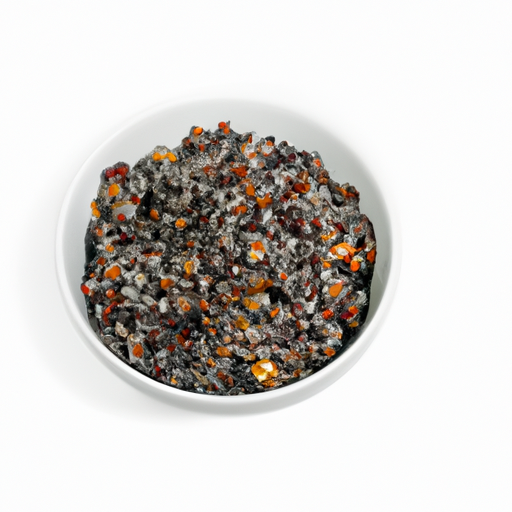
Freezer
-18°C (0°F)
Keep in original packaging
Freezer temperature consistency matters for food quality and safety. A freezer thermometer (Amazon) helps ensure your freezer maintains proper freezing conditions (0°F or below).
365 days
Ice crystals, freezer burn, off smell
Proper freezer storage helps maintain food quality. Using freezer-safe containers (Amazon) can help prevent freezer burn and protect against contamination.
Use as a side dish or protein base
Chickpea salad, other grain bowls
The expiration date on the Frozen Quinoa & Black Bean Bowl indicates the date until which the product is guaranteed to be at its best quality in terms of taste and texture. Consuming the product after the expiration date may not necessarily pose a food safety risk, but the quality and taste may deteriorate. It is recommended to consume the product before the expiration date for the best experience.
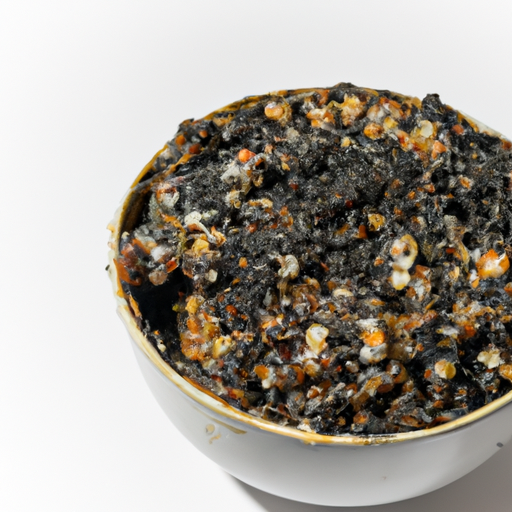
To check if your Frozen Quinoa Black Bean Bowl has gone bad, look for any signs of freezer burn such as ice crystals or discoloration. Smell for any off odors like a sour or rancid smell. Lastly, check the texture for any mushiness or freezer-burned areas. If you notice any of these indicators, it's best to discard the bowl.
Frozen Quinoa & Black Bean Bowl, being a frozen food item, is generally safe from foodborne illnesses as long as it is stored and handled properly. However, once thawed, it should not be refrozen as this can increase the risk of microbial growth and foodborne pathogens. It is important to ensure the product is cooked thoroughly to the recommended internal temperature to eliminate any potential bacteria that may be present.
To optimize the storage of Frozen Quinoa & Black Bean Bowl, it is recommended to keep it in the freezer at 0°F (-18°C) or below. Make sure the packaging is tightly sealed to prevent freezer burn and maintain the quality of the ingredients. When ready to consume, follow the heating instructions provided on the packaging to ensure the dish is thoroughly cooked. Additionally, labeling the storage date on the package can help track its freshness and ensure timely consumption.
Quinoa and black beans are staple ingredients in many Latin American cuisines. Quinoa is a high-protein grain that was considered sacred by the ancient Incas. Black beans are commonly used in Mexican, Cuban, and Brazilian dishes, offering a good source of fiber and plant-based protein. The combination of quinoa and black beans in this frozen bowl provides a nutritious and flavorful meal inspired by Latin American culinary traditions.
If Frozen Quinoa Black Bean Bowl has been left at room temperature for 8 hours, it's best to discard it to avoid the risk of foodborne illness. Bacteria can multiply rapidly at room temperature, potentially causing food poisoning.
Cooking Frozen Quinoa Black Bean Bowl can reduce its shelf life once it's been opened. Once cooked, it should be consumed within 3-4 days if stored in the refrigerator. Avoid leaving cooked portions at room temperature for more than 2 hours.
It's generally safe to store Frozen Quinoa Black Bean Bowl next to raw meat in the freezer as long as both items are securely sealed in separate airtight containers or sealed plastic bags. This prevents cross-contamination and helps maintain food safety.
Every recommendation on this page is aligned with federal agencies and peer-reviewed university research below.
Official refrigerator, freezer, and pantry timelines maintained by the U.S. Department of Agriculture.
Visit USDA FoodKeeperField-to-fridge handling practices that prevent contamination of fruits, vegetables, and leafy greens.
Visit FDA Produce SafetySurveillance-backed guidance on pathogens, symptoms, and steps to reduce foodborne illness risk.
Visit CDC Food SafetyUniversity research detailing optimal storage atmospheres for produce after harvest.
Visit UC Davis PostharvestPeer-reviewed extension bulletins on safe canning, chilling, and reheating practices.
Visit Penn State ExtensionImportant: These are general guidelines based on authoritative sources listed above. Always use your best judgment and when in doubt, throw it out.
Disclosure: As an Amazon Associate, we earn from qualifying purchases. This helps support our site and allows us to continue providing free food safety information.