USDAOfficial guidance
USDA FoodKeeper – Cold Storage Guidelines
Official refrigerator, freezer, and pantry timelines maintained by the U.S. Department of Agriculture.
Visit USDA FoodKeeperLast reviewed: January 2026
Reviewed by the Can I Eat Expired Editorial Team using official USDA, FDA, and CDC food safety guidance. How we assess food safety risk
Discard it after the expiration date.
Storage temperature, how long it has been opened, and package integrity change the answer — and those details are easy to miss.
Get a yes / no answer for your deli counter muenster cheese →
Check Your Exact Situation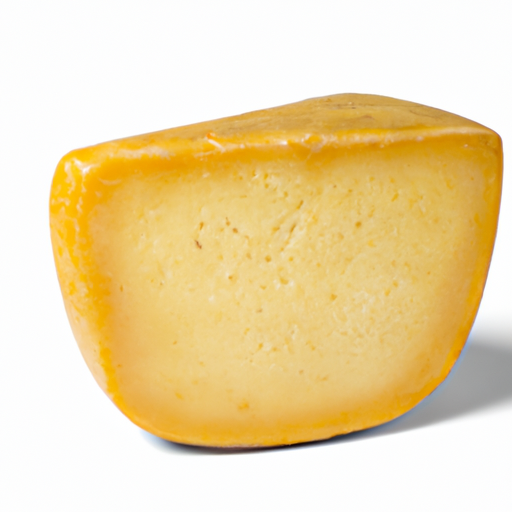
Fridge
34-40°F (1-4°C)
Wrap tightly in cheese paper or wax paper. Store in airtight container. Keep away from strong-smelling foods.
Dairy products require consistent cold storage (40°F or below) to prevent spoilage. A refrigerator thermometer (Amazon) helps ensure your refrigerator maintains safe temperatures.
5 days
60 days
Mold growth, slimy texture, off odor, discoloration
Transferring opened dairy into an airtight container (Amazon) can reduce odor absorption and moisture exposure.
Sandwiches, melting, cooking
Monterey Jack, mild cheddar, Havarti
The expiration date on Muenster cheese indicates the point after which the cheese may no longer be safe to consume due to potential bacterial growth. However, the 'best quality' or 'sell-by' date refers to the period during which the cheese retains its optimal taste and texture. While consuming Muenster cheese after the best quality date may not necessarily make you sick, the quality may deteriorate.
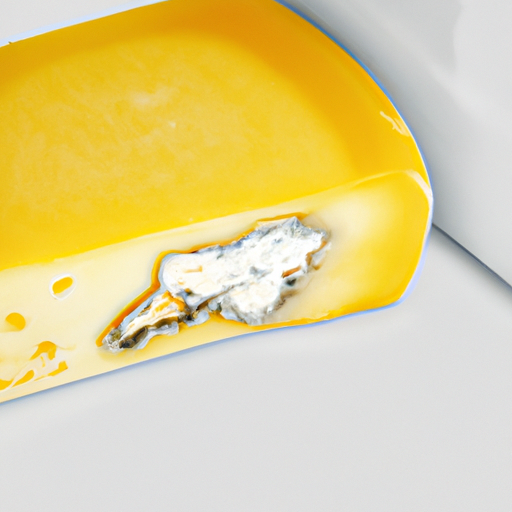
To check if Deli Counter Muenster Cheese has spoiled, look for any mold growth, discoloration, or sliminess on the surface. Additionally, a sour or ammonia-like smell and a sticky or slimy texture are signs that the cheese has gone bad and should not be consumed.
Muenster cheese, like other dairy products, can pose risks for foodborne illnesses if not stored or handled properly. The main risk comes from bacterial contamination, especially from pathogens like Listeria monocytogenes or Staphylococcus aureus. It is essential to keep Muenster cheese refrigerated at all times to prevent the growth of harmful bacteria.
To maximize the shelf life and quality of Muenster cheese, store it in the refrigerator at a temperature of around 40°F (4°C). Keep the cheese wrapped tightly in plastic wrap or aluminum foil to prevent it from drying out or absorbing odors from other foods in the fridge. If you notice any mold on the cheese, it is best to discard it to avoid potential health risks.
Muenster cheese originated in the Alsace region of France and is named after the town of Munster. It is a semi-soft cheese with a smooth, pale interior and a white rind. In the United States, Muenster cheese is often used in deli sandwiches and melts well, making it a popular choice for grilled cheese sandwiches. It has a mild flavor that appeals to a wide range of palates.
If Deli Counter Muenster Cheese has been left at room temperature for 2 hours, it's generally safe to consume if it shows no signs of spoilage. However, to maintain freshness and reduce food safety risks, it's recommended to refrigerate it promptly after this time.
Once opened, Deli Counter Muenster Cheese should be consumed within 5 days for optimal quality and safety. Make sure to reseal it properly after each use and store it in the fridge to prolong its shelf life.
Yes, the type of container can impact the shelf life of Deli Counter Muenster Cheese. It's best to store it in airtight containers or resealable bags to prevent moisture loss and potential contamination. This helps maintain its freshness and quality for a longer period.
Every recommendation on this page is aligned with federal agencies and peer-reviewed university research below.
Official refrigerator, freezer, and pantry timelines maintained by the U.S. Department of Agriculture.
Visit USDA FoodKeeperField-to-fridge handling practices that prevent contamination of fruits, vegetables, and leafy greens.
Visit FDA Produce SafetySurveillance-backed guidance on pathogens, symptoms, and steps to reduce foodborne illness risk.
Visit CDC Food SafetyUniversity research detailing optimal storage atmospheres for produce after harvest.
Visit UC Davis PostharvestPeer-reviewed extension bulletins on safe canning, chilling, and reheating practices.
Visit Penn State ExtensionImportant: These are general guidelines based on authoritative sources listed above. Always use your best judgment and when in doubt, throw it out.
Disclosure: As an Amazon Associate, we earn from qualifying purchases. This helps support our site and allows us to continue providing free food safety information.