USDAOfficial guidance
USDA FoodKeeper – Cold Storage Guidelines
Official refrigerator, freezer, and pantry timelines maintained by the U.S. Department of Agriculture.
Visit USDA FoodKeeperStorage conditions, initial freshness, and proper handling change the answer — and those details are easy to miss.
Get a yes / no answer for your butter cake →
Last reviewed: January 2026
Reviewed by the Can I Eat Expired Editorial Team using official USDA, FDA, and CDC food safety guidance. How we assess food safety risk
May be safe if properly stored and showing no spoilage signs. Check carefully before consuming.
⏱️ Safe for up to 2 days after expiry if properly stored and showing no spoilage signs.
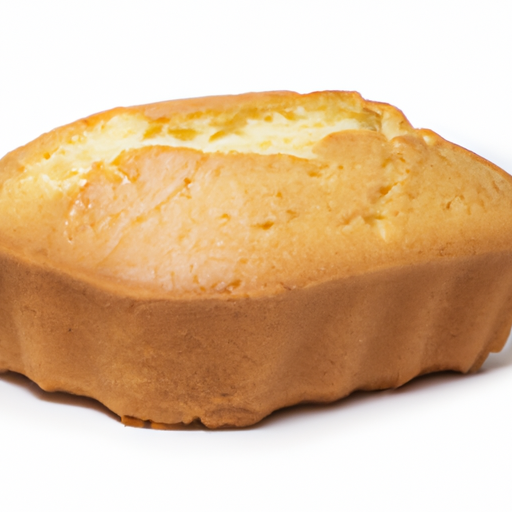
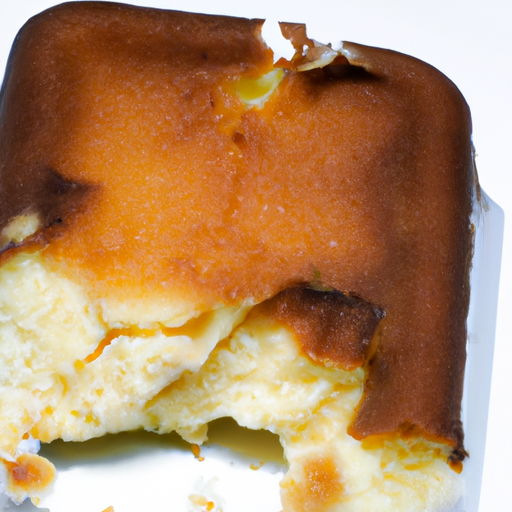
Fridge
33-36°F (0.6-2.2°C)
Store in an airtight container in the fridge.
5 days
Mold, Unpleasant odor, Discoloration
Serve with ice cream, Use in trifle desserts
Pound cake, Angel food cake
The expiration date on butter cake usually indicates when the cake is no longer safe to eat due to potential spoilage or growth of harmful bacteria. However, the best quality of the cake may start to deteriorate before the expiration date. While the cake may still be safe to eat after the expiration date if stored properly, the taste and texture may not be as good as when it was fresh. It's best to consume butter cake within a few days of baking for optimal quality.
To tell if Butter Cake has gone bad, look for any mold growth on the surface, a sour or off smell, or a slimy or sticky texture. If the cake appears discolored, has an unusual odor, or feels unpleasantly moist, it is best to discard it to avoid any potential foodborne illnesses.
Butter cake, like other baked goods, can be at risk for contamination by harmful bacteria such as Salmonella and E. coli if not handled and stored properly. Make sure to use clean utensils and work surfaces when preparing the cake batter to prevent cross-contamination. Additionally, ensure the cake is baked thoroughly to kill any bacteria present in the raw ingredients.
To keep butter cake fresh and moist, store it in an airtight container at room temperature for up to 2-3 days. If you need to store it longer, you can refrigerate the cake for up to a week. Make sure to let the cake come to room temperature before serving to restore its soft texture. You can also freeze butter cake for up to 2-3 months by wrapping it tightly in plastic wrap and placing it in a freezer-safe container. Thaw the cake overnight in the refrigerator before serving.
Butter cake is a popular dessert in many cultures around the world. In the United States, butter cake is often associated with Southern cuisine and is a classic treat for special occasions like birthdays and holidays. In Malaysia, 'kek mentega' is a traditional butter cake enjoyed with a cup of tea or coffee. In France, butter cake is known as 'gâteau au beurre' and is a staple in French bakeries.
Butter Cake stored in the fridge for 6 days may still be safe to eat within 2 days after its expiry date, as long as it shows no signs of spoilage like mold, off odors, or unusual texture. It's recommended to consume it earlier for the best quality and taste.
Storing Butter Cake at room temperature significantly shortens its shelf life compared to refrigeration. Leaving Butter Cake out for more than a few hours can lead to quicker spoilage due to the growth of bacteria and mold. It's best to refrigerate Butter Cake to maintain its freshness.
The type of container can affect the shelf life of Butter Cake. Airtight containers can help preserve the freshness of Butter Cake by preventing exposure to air and moisture, thus extending its shelf life. Using a proper container can also prevent cross-contamination with other foods.
Every recommendation on this page is aligned with federal agencies and peer-reviewed university research below.
Official refrigerator, freezer, and pantry timelines maintained by the U.S. Department of Agriculture.
Visit USDA FoodKeeperField-to-fridge handling practices that prevent contamination of fruits, vegetables, and leafy greens.
Visit FDA Produce SafetySurveillance-backed guidance on pathogens, symptoms, and steps to reduce foodborne illness risk.
Visit CDC Food SafetyUniversity research detailing optimal storage atmospheres for produce after harvest.
Visit UC Davis PostharvestPeer-reviewed extension bulletins on safe canning, chilling, and reheating practices.
Visit Penn State ExtensionNeed deeper reading? Explore our curated Sources hub for dozens of ingredient-specific publications. Our food safety review methodology explains how safety determinations are made.
Dairy Products
View expiration date and storage guide →
Fruits & Vegetables
View expiration date and storage guide →
Beverages
View expiration date and storage guide →
Cooking Ingredients
View expiration date and storage guide →
Beverages
View expiration date and storage guide →
Fruits & Vegetables
View expiration date and storage guide →
Ready-to-Eat Meals
View expiration date and storage guide →
Dairy Products
View expiration date and storage guide →
Breakfast Foods
View expiration date and storage guide →
Important: These are general guidelines based on authoritative sources listed above. Always use your best judgment and when in doubt, throw it out. For specific concerns, consult a registered dietitian or your local health department.