USDAOfficial guidance
USDA FoodKeeper – Cold Storage Guidelines
Official refrigerator, freezer, and pantry timelines maintained by the U.S. Department of Agriculture.
Visit USDA FoodKeeperStorage conditions, initial freshness, and proper handling change the answer — and those details are easy to miss.
Last reviewed: January 2026
Reviewed by the Can I Eat Expired Editorial Team using official USDA, FDA, and CDC food safety guidance. How we assess food safety risk

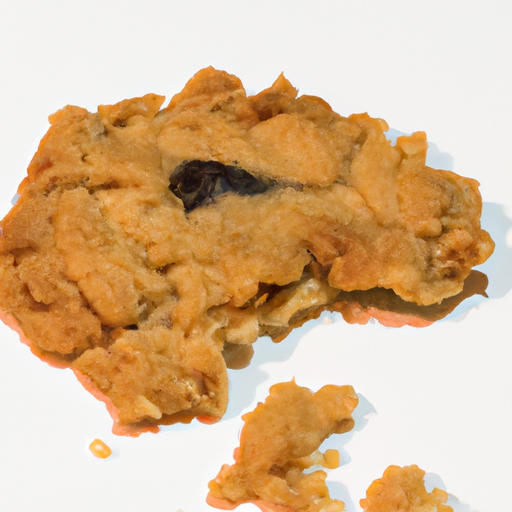
This food is often safe when handled and stored properly, but safety depends on how it's been kept and whether any spoilage signs are present.
⏱️ Safe for up to 60 days after expiry if properly stored and showing no spoilage signs.
Get a yes / no answer for your cookies →
Pantry
Room temperature
Keep in original sealed packaging
180 days
Stale texture, off taste, mold
Use as crust for cheesecakes
Granola bars, crackers
The expiration date on a package of cookies indicates the date until which the cookies are expected to remain fresh and safe to eat. Beyond this date, the quality, taste, and texture of the cookies may deteriorate, but they might still be safe to consume if stored correctly. The 'best quality by' date, on the other hand, suggests the period during which the cookies are expected to taste their best. Consuming cookies after this date may result in a less enjoyable eating experience, but they are unlikely to pose a health risk if stored properly.
To tell if packaged cookies have gone bad, check for any signs of mold, unusual discoloration, or a rancid smell. Additionally, if the cookies feel excessively hard, soft, or sticky, they may no longer be safe to eat.
When it comes to cookies, the main risk is related to food spoilage rather than foodborne illnesses. However, if cookies contain perishable ingredients like dairy or eggs, there is a risk of bacterial contamination if not stored properly. To prevent any foodborne illnesses, it's essential to store cookies in a cool, dry place and follow proper hygiene practices when handling them.
For optimal storage of cookies, it's best to keep them in an airtight container to prevent them from becoming stale or absorbing moisture. Adding a slice of bread to the container can help maintain the cookies' freshness by absorbing excess moisture. To extend the shelf life of cookies, you can also freeze them. Place the cookies in a freezer-safe container or bag, and they can last for several months. When ready to eat, simply let them thaw at room temperature or reheat them in the oven for a freshly baked taste.
Cookies have a rich cultural significance around the world. They are often associated with celebrations, gatherings, and comfort. In many cultures, homemade cookies are a symbol of love and care, often shared with friends and family. In the United States, cookies are an essential part of holidays like Christmas, where people bake and exchange various types of cookies. In some countries like Italy, biscotti are enjoyed with coffee or wine as a traditional snack.
Once Cookies Packaged are opened, they can typically be consumed within 1-2 weeks if stored in an airtight container to maintain freshness. Check for any changes in texture, taste, or odor before consuming.
If Cookies Packaged have been at room temperature for a day, they are generally safe to eat within the next 1-2 days. However, their quality may have degraded, so check for any signs of spoilage like mold, off odors, or texture changes before consuming.
The type of container can impact the shelf life of Cookies Packaged. Opt for airtight containers to keep them fresh longer and protect them from moisture and air exposure. Avoid storing them in containers with strong odors that can affect the flavor.
Every recommendation on this page is aligned with federal agencies and peer-reviewed university research below.
Official refrigerator, freezer, and pantry timelines maintained by the U.S. Department of Agriculture.
Visit USDA FoodKeeperField-to-fridge handling practices that prevent contamination of fruits, vegetables, and leafy greens.
Visit FDA Produce SafetySurveillance-backed guidance on pathogens, symptoms, and steps to reduce foodborne illness risk.
Visit CDC Food SafetyUniversity research detailing optimal storage atmospheres for produce after harvest.
Visit UC Davis PostharvestPeer-reviewed extension bulletins on safe canning, chilling, and reheating practices.
Visit Penn State ExtensionImportant: These are general guidelines based on authoritative sources listed above. Always use your best judgment and when in doubt, throw it out.