USDAOfficial guidance
USDA FoodKeeper – Cold Storage Guidelines
Official refrigerator, freezer, and pantry timelines maintained by the U.S. Department of Agriculture.
Visit USDA FoodKeeperStorage temperature, initial freshness, and how they have been handled change the answer — and those details are easy to miss.
Last reviewed: January 2026
Reviewed by the Can I Eat Expired Editorial Team using official USDA, FDA, and CDC food safety guidance. How we assess food safety risk
Discard it after the expiration date.
Get a yes / no answer for your smelts →
⚠️ Seafood spoils quickly and can cause severe food poisoning if consumed past its prime.
Fridge
32-38°F (0-3°C)
Store in an airtight container over ice
Consistent cold storage is essential for food safety. A refrigerator thermometer (Amazon) helps monitor refrigerator temperature and ensures food stays at safe levels (40°F or below).
2 days
Unpleasant fishy smell, slimy texture, discolored flesh
Proper packaging helps prevent freezer burn and contamination. Using freezer-safe storage bags (Amazon) can help preserve food quality during freezer storage.
Can be used in fish stews, salads, or pasta dishes
Fresh sardines or anchovies
The expiration date on fresh cooked smelts indicates the date by which the seafood should be consumed to ensure safety and quality. Beyond this date, there is an increased risk of spoilage and foodborne illness. Best quality refers to the peak flavor, texture, and overall quality of the smelts. While the seafood may still be safe to eat after the expiration date, the quality may have deteriorated, resulting in a less enjoyable eating experience.
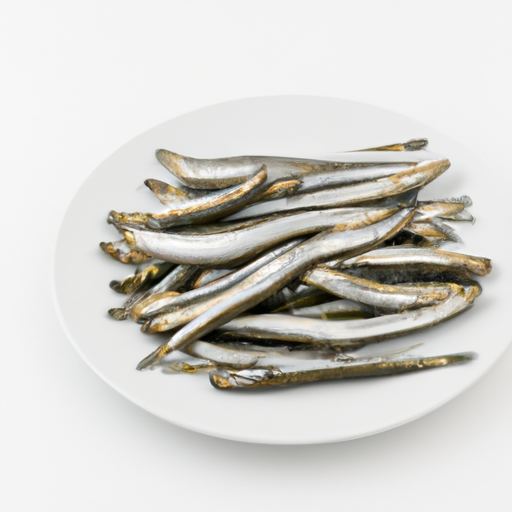
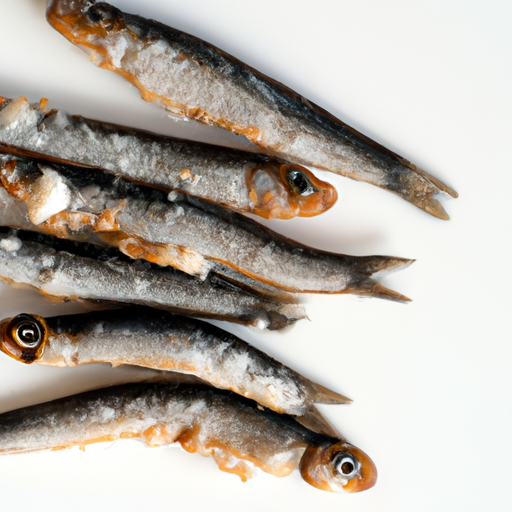
To check if Smelts Fresh Cooked has gone bad, look for signs like a slimy or discolored appearance, a strong fishy odor, or a mushy texture. Fresh smelts should have clear, shiny skin, a mild ocean scent, and a firm texture. If the smelts exhibit any of these negative indicators, it's best to discard them to avoid foodborne illness.
When handling smelts, it is important to ensure that they are properly cooked to eliminate any potential foodborne pathogens. Smelts should be cooked to an internal temperature of at least 145°F (63°C) to ensure safety. Raw smelts should be stored separately from ready-to-eat foods to prevent cross-contamination. Thawing smelts should be done in the refrigerator, under cold running water, or in the microwave to avoid the danger zone temperature range where bacteria can multiply rapidly.
To optimize the storage of fresh cooked smelts, it is recommended to store them in an airtight container in the refrigerator at a temperature below 40°F (4°C). Smelts should be consumed within 1-2 days of cooking for the best quality and taste. If freezing smelts, ensure they are tightly wrapped to prevent freezer burn and consume them within 1-2 months for optimal freshness. When reheating smelts, do so gently to avoid overcooking and drying out the delicate fish.
Smelts are small, silvery fish that are often enjoyed as a delicacy in many cultures around the world. In some regions, such as the Great Lakes area in North America, smelt fishing is a popular pastime that brings communities together during the smelt run season. Smelts are often fried whole and eaten as a crispy snack or appetizer. They are also known for their rich flavor and tender texture, making them a popular choice for seafood lovers.
If Smelts Fresh Cooked has been left at room temperature for 3 hours, it's best to discard it. Bacteria multiply rapidly in the danger zone between 40°F and 140°F, increasing the risk of foodborne illness. To ensure food safety, refrigerate cooked smelts promptly after serving.
When Smelts Fresh Cooked is frozen, the texture may change upon thawing. Freezing can cause the moisture within the smelts to expand, potentially leading to a softer texture. To minimize texture changes, consider flash freezing the cooked smelts individually before storing in an airtight container.
Cooking Smelts Fresh Cooked can extend its shelf life compared to raw smelts. The cooking process helps kill harmful bacteria, reducing the risk of spoilage. However, once cooked, it's crucial to store the smelts correctly in the fridge and consume them within 2 days to ensure quality and safety.
Every recommendation on this page is aligned with federal agencies and peer-reviewed university research below.
Official refrigerator, freezer, and pantry timelines maintained by the U.S. Department of Agriculture.
Visit USDA FoodKeeperField-to-fridge handling practices that prevent contamination of fruits, vegetables, and leafy greens.
Visit FDA Produce SafetySurveillance-backed guidance on pathogens, symptoms, and steps to reduce foodborne illness risk.
Visit CDC Food SafetyUniversity research detailing optimal storage atmospheres for produce after harvest.
Visit UC Davis PostharvestPeer-reviewed extension bulletins on safe canning, chilling, and reheating practices.
Visit Penn State ExtensionImportant: These are general guidelines based on authoritative sources listed above. Always use your best judgment and when in doubt, throw it out.
Disclosure: As an Amazon Associate, we earn from qualifying purchases. This helps support our site and allows us to continue providing free food safety information.