USDAOfficial guidance
USDA FoodKeeper – Cold Storage Guidelines
Official refrigerator, freezer, and pantry timelines maintained by the U.S. Department of Agriculture.
Visit USDA FoodKeeperStorage conditions, initial freshness, and proper handling change the answer — and those details are easy to miss.
Last reviewed: January 2026
Reviewed by the Can I Eat Expired Editorial Team using official USDA, FDA, and CDC food safety guidance. How we assess food safety risk
Discard it after the expiration date.
Get a yes / no answer for your guacamole sold →
Fridge
32-40°F (0-4°C)
Sealed airtight container
3 days
Change in color, off smell, mold formation
As a topping for burgers, sandwiches or tacos
Freshly made guacamole
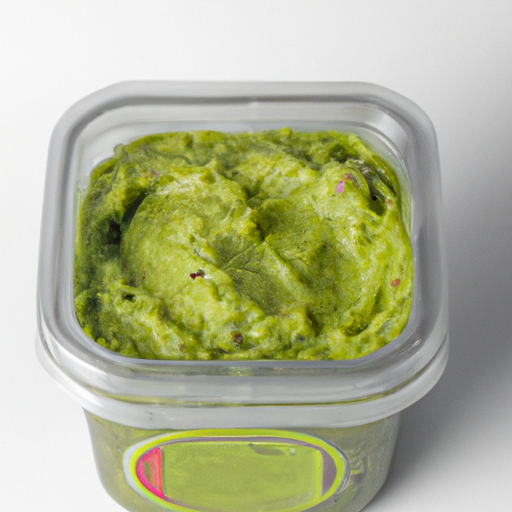
The expiration date on commercially packaged guacamole indicates the last date the product is guaranteed to be at its peak quality in terms of taste and freshness. However, it does not necessarily mean that the guacamole is unsafe to consume after that date. The best quality of guacamole is usually within a few days after opening the package. As long as there are no signs of spoilage such as off odor, discoloration, or mold, the guacamole can still be safe to eat even after the expiration date, but the taste and texture may not be as desirable.
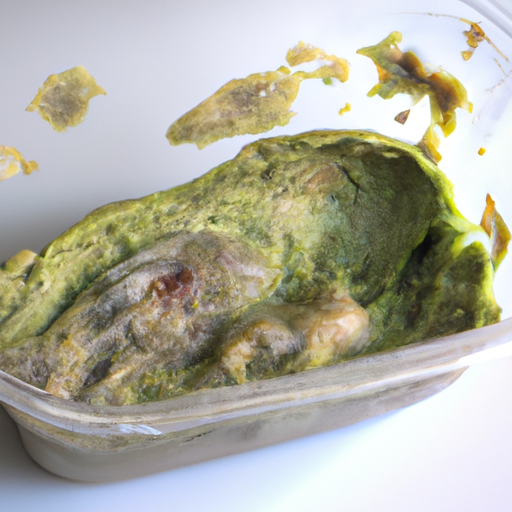
Check the guacamole for any signs of browning or discoloration, as this indicates spoilage. Additionally, if you notice a sour or off smell, it is a clear indicator that the guacamole has gone bad. Lastly, if the texture appears slimy or excessively watery, it is best to discard it to avoid any potential foodborne illnesses.
Guacamole that is commercially packaged and sold refrigerated can pose risks of foodborne illnesses if not handled properly. Once the package is opened, the guacamole is exposed to air and can become a breeding ground for bacteria if not kept refrigerated at or below 40°F (4°C). It is important to consume the guacamole within the recommended timeframe to avoid potential food poisoning.
To prolong the freshness of opened commercially packaged guacamole, press a piece of plastic wrap directly onto the surface of the guacamole to minimize air exposure before sealing the container tightly. Store the guacamole in the coldest part of the refrigerator, typically the back of the bottom shelf, to maintain its quality. Avoid repeatedly taking the guacamole in and out of the refrigerator as temperature fluctuations can accelerate spoilage. If you notice any off smells, colors, or textures, it's best to discard the guacamole to prevent any risks of foodborne illnesses.
Guacamole has a rich cultural significance as it is a traditional Mexican dish that dates back to the Aztecs. The word 'guacamole' is derived from the Nahuatl word 'ahuacamolli,' which means avocado sauce. Avocados, the main ingredient in guacamole, are not only delicious but also packed with nutrients such as healthy fats, fiber, and vitamins. Guacamole is not just a popular snack or dip but also a versatile condiment that can be used in sandwiches, salads, tacos, and more.
If Guacamole Commercially Packaged Sold Refrigerated Opened has been left at room temperature for a few hours, it should be safe to consume within the 3-day shelf life. However, always check for any changes in texture, color, or smell before consuming. If in doubt, it's best to discard it.
Once opened, Guacamole Commercially Packaged Sold Refrigerated Opened is typically safe to consume within 1 to 2 days if stored properly in the refrigerator. Be sure to seal the container tightly after each use to maintain freshness and prevent contamination.
The type of container can impact the shelf life of Guacamole Commercially Packaged Sold Refrigerated Opened. Airtight containers help preserve freshness better than containers with loose lids. Transferring the guacamole to a clean, sealable container can extend its shelf life by minimizing exposure to air and bacteria.
Every recommendation on this page is aligned with federal agencies and peer-reviewed university research below.
Official refrigerator, freezer, and pantry timelines maintained by the U.S. Department of Agriculture.
Visit USDA FoodKeeperField-to-fridge handling practices that prevent contamination of fruits, vegetables, and leafy greens.
Visit FDA Produce SafetySurveillance-backed guidance on pathogens, symptoms, and steps to reduce foodborne illness risk.
Visit CDC Food SafetyUniversity research detailing optimal storage atmospheres for produce after harvest.
Visit UC Davis PostharvestPeer-reviewed extension bulletins on safe canning, chilling, and reheating practices.
Visit Penn State ExtensionImportant: These are general guidelines based on authoritative sources listed above. Always use your best judgment and when in doubt, throw it out.