USDAOfficial guidance
USDA FoodKeeper – Cold Storage Guidelines
Official refrigerator, freezer, and pantry timelines maintained by the U.S. Department of Agriculture.
Visit USDA FoodKeeperLast reviewed: January 2026
Reviewed by the Can I Eat Expired Editorial Team using official USDA, FDA, and CDC food safety guidance. How we assess food safety risk
This food is often safe when handled and stored properly, but safety depends on how it's been kept and whether any spoilage signs are present.
⏱️ Safe for up to 180 days after expiry if properly stored and showing no spoilage signs.
Storage conditions, initial freshness, and proper handling change the answer — and those details are easy to miss.
Get a yes / no answer for your gochujang korean chili paste →
Check Your Exact Situation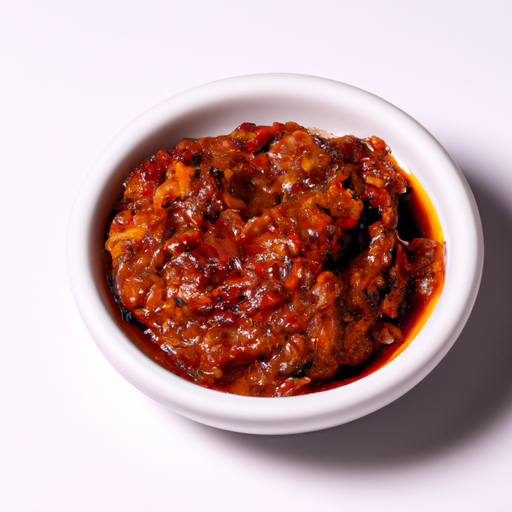
Fridge
4°C (40°F)
Store in a sealed container
365 days
Mold, excessive drying, loss of aroma
Use in marinades or stir-fries
Sriracha, miso paste
The expiration date on Gochujang Korean Chili Paste indicates the date until which the paste is guaranteed to be at its best quality in terms of flavor and texture. Consuming the paste after the expiration date may not necessarily pose a health risk, but the quality of the product may deteriorate, leading to changes in taste and consistency. It is recommended to use the paste before the expiration date for the best culinary experience.
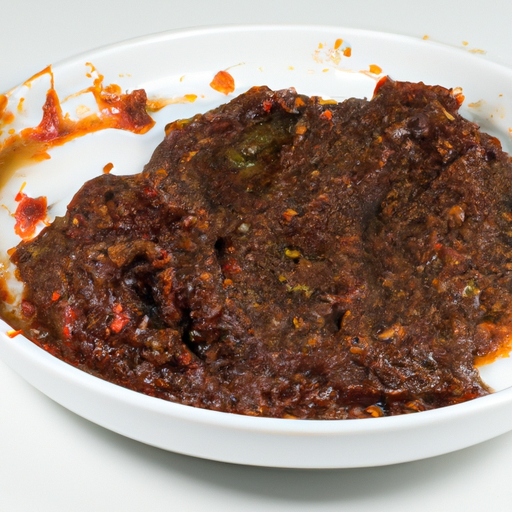
To determine if Gochujang Korean Chili Paste has gone bad, check for any mold growth on the surface, an off or unpleasant odor, or a change in texture such as becoming dried out or developing a slimy consistency. If you notice any of these signs, it is best to discard the Gochujang to avoid any potential food safety risks.
Gochujang Korean Chili Paste is a fermented product, which means it has a lower risk of foodborne illnesses due to the naturally occurring beneficial bacteria during fermentation. However, it is still important to practice good food safety habits. Make sure to check the expiry date on the packaging and avoid consuming the paste if it shows any signs of spoilage, such as mold growth, off odors, or unusual discoloration.
To prolong the shelf life and maintain the quality of Gochujang Korean Chili Paste, it is recommended to store it in a cool, dry place away from direct sunlight. Once opened, ensure the jar is tightly sealed after each use to prevent air exposure and moisture ingress, which can lead to spoilage. Some pro tips include transferring small portions of the paste into a smaller container for frequent use, as this minimizes air exposure to the main jar. Additionally, refrigerating the paste can help extend its shelf life, although it may cause the paste to thicken due to the cold temperature, which is normal and does not affect its quality.
Gochujang is a staple ingredient in Korean cuisine, known for its unique combination of spicy, sweet, and umami flavors. It is traditionally made by fermenting red chili peppers, glutinous rice, fermented soybeans, and salt. The paste has a deep red color and is commonly used in various Korean dishes such as bibimbap, tteokbokki, and bulgogi. Gochujang is not only valued for its flavor but also for its health benefits, as it is rich in vitamins, minerals, and antioxidants.
It's not recommended to consume Gochujang Korean Chili Paste that has been stored at room temperature for a day. Bacteria can grow rapidly at room temperature, increasing the risk of foodborne illness. To ensure safety, always store Gochujang in the fridge.
Once opened, Gochujang Korean Chili Paste can be safely used for up to 6 months if stored properly in the refrigerator. Check for any signs of spoilage like off odors, unusual colors, or mold growth before using it.
The type of container can impact the shelf life of Gochujang Korean Chili Paste. Opt for airtight containers to extend its freshness and prevent moisture absorption, which can lead to spoilage. Glass jars or containers with tight-sealing lids are ideal choices.
Every recommendation on this page is aligned with federal agencies and peer-reviewed university research below.
Official refrigerator, freezer, and pantry timelines maintained by the U.S. Department of Agriculture.
Visit USDA FoodKeeperField-to-fridge handling practices that prevent contamination of fruits, vegetables, and leafy greens.
Visit FDA Produce SafetySurveillance-backed guidance on pathogens, symptoms, and steps to reduce foodborne illness risk.
Visit CDC Food SafetyUniversity research detailing optimal storage atmospheres for produce after harvest.
Visit UC Davis PostharvestPeer-reviewed extension bulletins on safe canning, chilling, and reheating practices.
Visit Penn State ExtensionImportant: These are general guidelines based on authoritative sources listed above. Always use your best judgment and when in doubt, throw it out.