USDAOfficial guidance
USDA FoodKeeper – Cold Storage Guidelines
Official refrigerator, freezer, and pantry timelines maintained by the U.S. Department of Agriculture.
Visit USDA FoodKeeperLast reviewed: January 2026
Reviewed by the Can I Eat Expired Editorial Team using official USDA, FDA, and CDC food safety guidance. How we assess food safety risk
Storage conditions, initial freshness, and proper handling change the answer — and those details are easy to miss.
Get a yes / no answer for your chickpeas →
Check Your Exact SituationThis food is often safe when handled and stored properly, but safety depends on how it's been kept and whether any spoilage signs are present.
⏱️ Safe for up to 365 days after expiry if properly stored and showing no spoilage signs.
Pantry
Room temperature
Keep in cool, dark place
1460 days
Bulging can, bad smell, slimy beans
Mash for hummus or soups
Canned lentils, fresh chickpeas
The expiration date on canned chickpeas signifies the date until which the product is guaranteed to be of high quality. Consuming the chickpeas after this date may not necessarily pose a health risk but could affect their taste, texture, and nutritional value. For the best quality, it is recommended to consume canned chickpeas within 1-2 years from the manufacturing date.
Check the canned chickpeas for any signs of rust, dents, or bulging lids, which indicate spoilage. Give them a sniff for any off or foul odors. Lastly, feel the texture of the chickpeas - they should be firm and not mushy or slimy.
Canned chickpeas are generally safe to consume, but it is important to be cautious of bulging or dented cans as they may indicate spoilage. Always check the expiration date on the can before consuming. Additionally, ensure proper hygiene practices while handling canned chickpeas to prevent cross-contamination.
To maximize the shelf life of canned chickpeas, store them in a cool, dry place away from direct sunlight. Once opened, transfer any unused chickpeas to airtight containers and refrigerate them. Canned chickpeas can also be frozen for longer-term storage; simply drain and rinse them before freezing. When using canned chickpeas, always rinse them under cold water to remove excess sodium and improve their flavor profile.
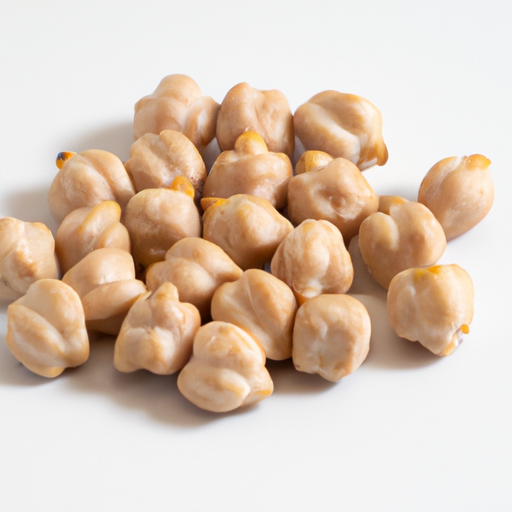
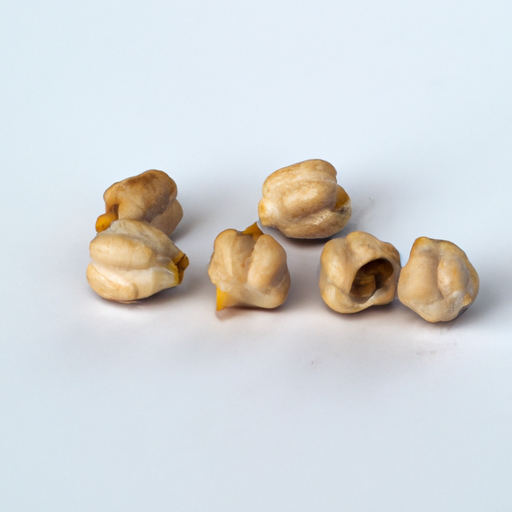
Chickpeas, also known as garbanzo beans, are a staple ingredient in many cuisines around the world. They have a long history of cultivation, dating back thousands of years to the Middle East and Mediterranean regions. Chickpeas are a rich source of plant-based protein and are widely used in dishes like hummus, falafel, and curries. In some cultures, chickpeas are considered a symbol of good luck and prosperity.
Once opened, Canned Chickpeas can typically be safely consumed within 3-4 days if stored in an airtight container in the refrigerator. Be sure to check for any signs of spoilage before consuming.
Canned Chickpeas stored at room temperature for an extended period may be safe to eat, but the quality may have deteriorated. It's best to refrigerate any leftover canned chickpeas after opening to maintain freshness and prevent spoilage.
The type of container can impact the shelf life of Canned Chickpeas. Opt for BPA-free cans or glass jars with intact seals for prolonged shelf life. Improperly sealed or dented cans may compromise the quality and safety of the chickpeas.
Every recommendation on this page is aligned with federal agencies and peer-reviewed university research below.
Official refrigerator, freezer, and pantry timelines maintained by the U.S. Department of Agriculture.
Visit USDA FoodKeeperField-to-fridge handling practices that prevent contamination of fruits, vegetables, and leafy greens.
Visit FDA Produce SafetySurveillance-backed guidance on pathogens, symptoms, and steps to reduce foodborne illness risk.
Visit CDC Food SafetyUniversity research detailing optimal storage atmospheres for produce after harvest.
Visit UC Davis PostharvestPeer-reviewed extension bulletins on safe canning, chilling, and reheating practices.
Visit Penn State ExtensionStorage: Pantry
View guide →
Storage: Pantry
View guide →
Storage: Pantry
View guide →
Storage: Pantry
View guide →
Storage: Pantry
View guide →
Storage: Pantry
View guide →
Storage: Pantry
View guide →
Storage: Pantry
View guide →
Storage: Pantry
View guide →
Important: These are general guidelines based on authoritative sources listed above. Always use your best judgment and when in doubt, throw it out.