USDAOfficial guidance
USDA FoodKeeper – Cold Storage Guidelines
Official refrigerator, freezer, and pantry timelines maintained by the U.S. Department of Agriculture.
Visit USDA FoodKeeperStorage conditions, initial freshness, and proper handling change the answer — and those details are easy to miss.
Last reviewed: January 2026
Reviewed by the Can I Eat Expired Editorial Team using official USDA, FDA, and CDC food safety guidance. How we assess food safety risk
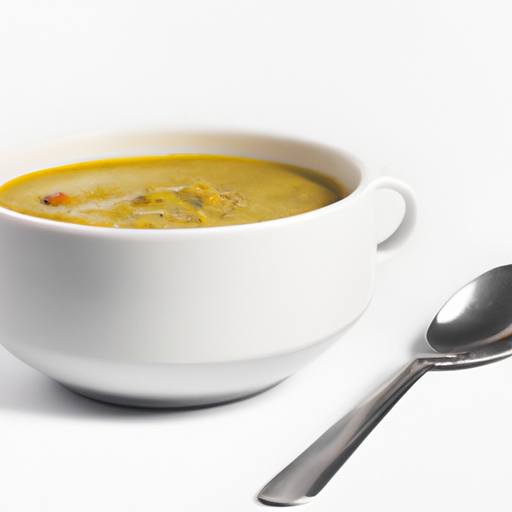
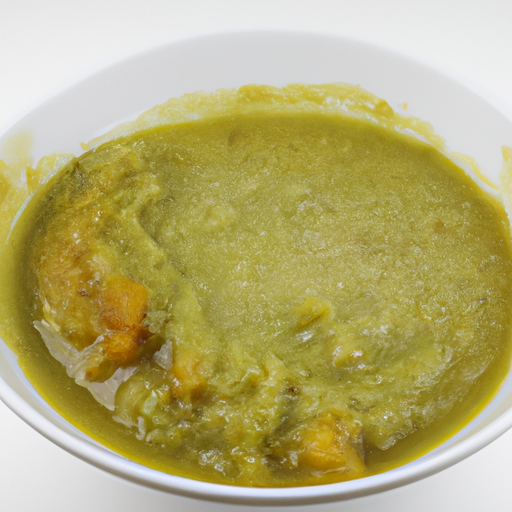
Discard it after the expiration date.
Get a yes / no answer for your split pea soup →
Fridge
34-40°F (1-4°C)
Transfer to airtight container. Do not store in original can. Keep refrigerated. Cover tightly.
4 days
90 days
Mold growth, off odor, unusual fermentation, separation, sour smell
Base for other soups, stews
Other canned soups, homemade soup
The expiration date on canned split pea soup indicates the date until which the product is expected to retain its peak quality in terms of taste and texture. Consuming the soup after the expiration date may not necessarily make you sick, but the flavor and quality may deteriorate. It's always recommended to use your best judgment by checking the appearance, smell, and taste before consuming any canned food past its expiration date.
To check if opened canned split pea soup has spoiled, look for any mold growth, off-coloring, or unusual appearance. Give it a sniff for any off odors like a sour or rotten smell. Lastly, check the texture – if it appears slimy, excessively watery, or has a strange consistency, it's best to discard it.
Opened canned split pea soup can pose foodborne illness risks if not stored properly. Bacteria can grow rapidly in cooked soups left at room temperature for more than 2 hours. To prevent foodborne illnesses like botulism, it's crucial to refrigerate any leftover split pea soup promptly.
To optimize the storage of opened canned split pea soup, transfer any leftovers to an airtight container and refrigerate promptly. Properly stored, split pea soup can last in the refrigerator for 3-4 days. If you want to extend the shelf life, consider freezing the soup in a freezer-safe container for up to 2-3 months. When reheating split pea soup, ensure it reaches a temperature of at least 165°F (74°C) to kill any potential bacteria.
Split pea soup has a long history and is enjoyed in various cultures around the world. It is a traditional dish in countries like the United States, Canada, and Sweden. In the United States, split pea soup is often associated with comfort food and is commonly served during colder months. In Sweden, it is known as "Ärtsoppa" and is a popular Thursday dish traditionally served with pancakes. Split pea soup is also a staple dish in many vegetarian and vegan diets due to its high protein and fiber content.
Opened Canned Split Pea Soup can be safely consumed within 4 days if stored in the fridge. Beyond this period, it is recommended to discard it, as the risk of bacterial contamination increases.
If Opened Canned Split Pea Soup has been at room temperature for a few hours, it's best to follow the 2-hour rule. If the soup has been above 40°F (4°C) for over 2 hours, it should be discarded to prevent foodborne illnesses.
When Opened Canned Split Pea Soup is frozen, the texture may change slightly upon thawing. Freezing can cause the peas to become softer and the soup may appear slightly watery. Stir well upon reheating to help redistribute any separated liquids and solids.
Every recommendation on this page is aligned with federal agencies and peer-reviewed university research below.
Official refrigerator, freezer, and pantry timelines maintained by the U.S. Department of Agriculture.
Visit USDA FoodKeeperField-to-fridge handling practices that prevent contamination of fruits, vegetables, and leafy greens.
Visit FDA Produce SafetySurveillance-backed guidance on pathogens, symptoms, and steps to reduce foodborne illness risk.
Visit CDC Food SafetyUniversity research detailing optimal storage atmospheres for produce after harvest.
Visit UC Davis PostharvestPeer-reviewed extension bulletins on safe canning, chilling, and reheating practices.
Visit Penn State ExtensionImportant: These are general guidelines based on authoritative sources listed above. Always use your best judgment and when in doubt, throw it out.