USDAOfficial guidance
USDA FoodKeeper – Cold Storage Guidelines
Official refrigerator, freezer, and pantry timelines maintained by the U.S. Department of Agriculture.
Visit USDA FoodKeeperLast reviewed: January 2026
Reviewed by the Can I Eat Expired Editorial Team using official USDA, FDA, and CDC food safety guidance. How we assess food safety risk
Storage conditions, initial freshness, and proper handling change the answer — and those details are easy to miss.
Get a yes / no answer for your ginger paste un →
Check Your Exact SituationThis food is often safe when handled and stored properly, but safety depends on how it's been kept and whether any spoilage signs are present.
⏱️ Safe for up to 30 days after expiry if properly stored and showing no spoilage signs.
Fridge
35-45°F (2-7°C)
Sealed container to maintain freshness
365 days
180 days
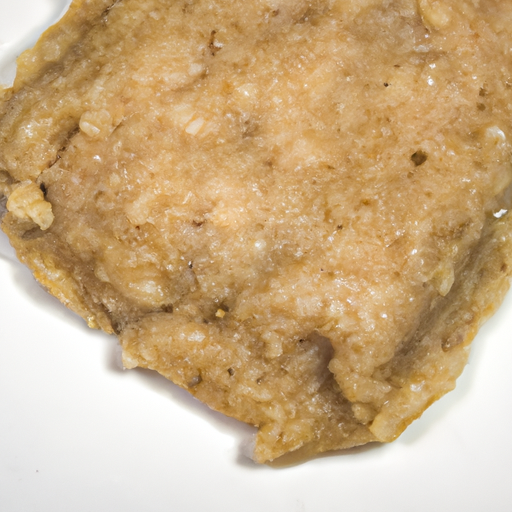
Mold growth, unusual odor, change in color
Flavoring in stir-fries, marinades, dressings
Fresh ginger, ginger powder
Over time, ginger paste may lose its pungency and flavor intensity, leading to a less vibrant taste in dishes. While the paste may remain safe for consumption beyond the expiration date if properly stored, its quality in terms of flavor and aroma diminishes. It's essential to differentiate between safety concerns (expiration) and optimal quality (best by date).
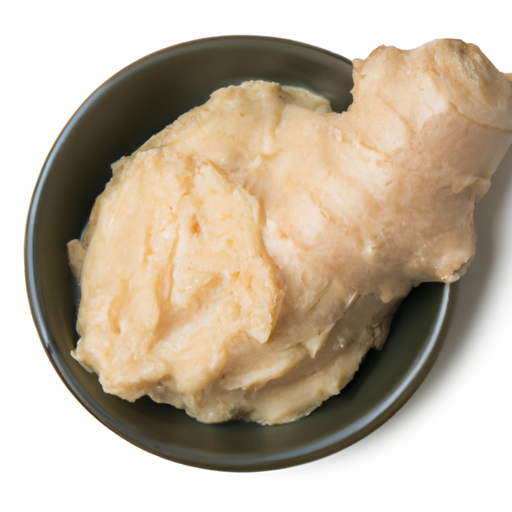
To check if commercially packaged unopened ginger paste has gone bad, look for any signs of mold, discoloration, or an off smell when you open the packaging. The texture should be smooth and consistent. If you notice any unusual changes in color, smell, or texture, it is best to discard the ginger paste to avoid any potential food safety risks.
Ginger paste may pose a risk of bacterial contamination, particularly from pathogens like Salmonella and E. coli. To prevent foodborne illnesses, always use clean utensils when scooping out the paste, refrigerate promptly after opening, and avoid leaving it at room temperature for extended periods. High-risk scenarios include cross-contamination with raw food and improper storage conditions.
To maintain the freshness and flavor of ginger paste, store it in an airtight container in the refrigerator. For extended shelf life, consider freezing small portions in ice cube trays and transferring them to a freezer bag once solid. Remember to label the containers with dates for easy tracking of freshness. When using frozen portions, allow them to thaw in the refrigerator for best results.
Ginger has a rich history in various cultures, renowned not just for its culinary uses but also for its medicinal properties. In many Asian cuisines, ginger is a staple ingredient, known for its ability to add warmth and depth to dishes. Additionally, ginger holds cultural significance in traditional medicine practices for its digestive and anti-inflammatory benefits.
Once opened, Ginger Paste Commercially Packaged Unopened can be safely consumed for up to 30 days if stored in the fridge. Make sure to seal the container tightly after each use to maintain freshness and prevent contamination.
Ginger Paste Commercially Packaged Unopened should ideally be stored in the fridge to maintain its quality and extend its shelf life. Consuming it after being stored at room temperature for an extended period may compromise its flavor and texture.
The type of container can impact the shelf life of Ginger Paste Commercially Packaged Unopened. Opt for airtight containers to prevent air and moisture exposure, which can accelerate spoilage. Glass or plastic containers specifically designed for food storage are ideal choices.
Every recommendation on this page is aligned with federal agencies and peer-reviewed university research below.
Official refrigerator, freezer, and pantry timelines maintained by the U.S. Department of Agriculture.
Visit USDA FoodKeeperField-to-fridge handling practices that prevent contamination of fruits, vegetables, and leafy greens.
Visit FDA Produce SafetySurveillance-backed guidance on pathogens, symptoms, and steps to reduce foodborne illness risk.
Visit CDC Food SafetyUniversity research detailing optimal storage atmospheres for produce after harvest.
Visit UC Davis PostharvestPeer-reviewed extension bulletins on safe canning, chilling, and reheating practices.
Visit Penn State ExtensionStorage: Pantry
View guide →
Storage: Fridge
View guide →
Storage: Fridge
View guide →
Storage: Pantry
View guide →
Storage: Pantry
View guide →
Storage: Pantry
View guide →
Storage: Pantry
View guide →
Storage: Pantry
View guide →
Storage: Pantry
View guide →
Important: These are general guidelines based on authoritative sources listed above. Always use your best judgment and when in doubt, throw it out.