USDAOfficial guidance
USDA FoodKeeper – Cold Storage Guidelines
Official refrigerator, freezer, and pantry timelines maintained by the U.S. Department of Agriculture.
Visit USDA FoodKeeperStorage conditions, initial freshness, and proper handling change the answer — and those details are easy to miss.
Last reviewed: January 2026
Reviewed by the Can I Eat Expired Editorial Team using official USDA, FDA, and CDC food safety guidance. How we assess food safety risk
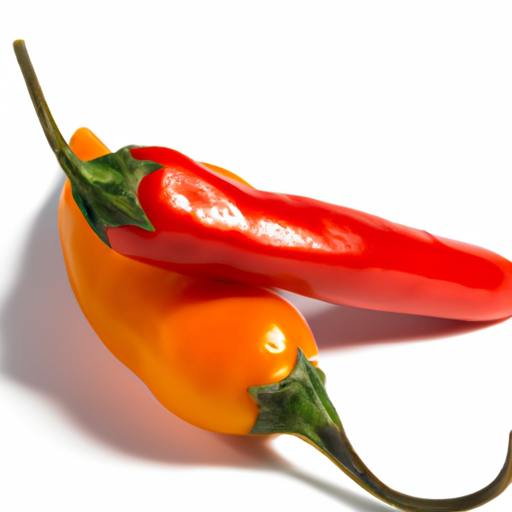
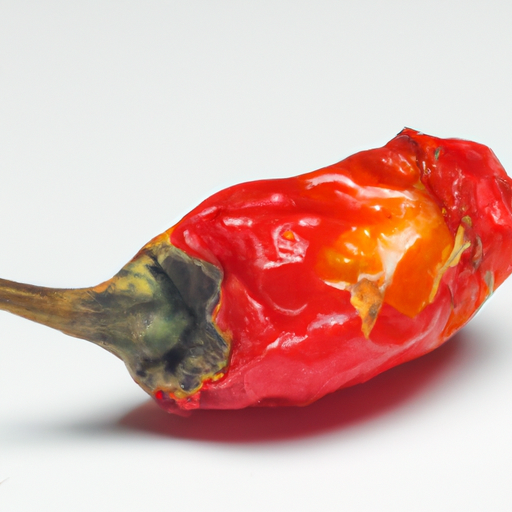
This food is often safe when handled and stored properly, but safety depends on how it's been kept and whether any spoilage signs are present.
⏱️ Safe for up to 180 days after expiry if properly stored and showing no spoilage signs.
Get a yes / no answer for your cayenne pepper →
Pantry
Room temperature
Store in a cool, dry place
365 days
Loss of color, off smell
Use to spice up dishes
Paprika, red pepper flakes
Cayenne pepper, like many dried spices, does not spoil in the same way that fresh foods do. However, it can lose its potency and flavor over time. The expiration date on the packaging is more of a guideline for optimal flavor and potency. After the expiration date, cayenne pepper may not be as potent, but it is still safe to consume. For best quality, store cayenne pepper in an airtight container away from heat and light to preserve its flavor and potency for longer.
To determine if Cayenne Pepper has gone bad, look for any signs of mold, discoloration, or a musty smell. Additionally, check the texture of the pepper - if it feels clumpy or moist, it may have spoiled. If you notice any of these indicators, it's best to discard the Cayenne Pepper to ensure food safety.
Cayenne pepper is generally considered safe when consumed in normal culinary amounts. However, it is a very spicy ingredient and can cause irritation to the gastrointestinal tract in some individuals. Those with sensitivities or allergies to spicy foods should use caution when handling or consuming cayenne pepper. It is important to wash hands thoroughly after handling cayenne pepper to avoid accidentally touching sensitive areas like the eyes or mouth, which can cause irritation.
To ensure the longevity of cayenne pepper, store it in a cool, dark place away from direct sunlight and heat sources like the stove. A pantry or spice cabinet is an ideal location. Keep it in an airtight container to prevent moisture and air from affecting its flavor. If you buy cayenne pepper in bulk, consider storing a small amount in a spice jar for regular use and keeping the rest in a tightly sealed container in the freezer to maintain its potency for longer periods.
Cayenne pepper is a popular spice in many cuisines around the world, known for its fiery heat and bright red color. It is named after the city of Cayenne in French Guiana. In addition to its culinary uses, cayenne pepper has been used for its medicinal properties for centuries. It is believed to have anti-inflammatory and pain-relieving properties and is sometimes used in natural remedies for various ailments.
Yes, you can safely store Cayenne Pepper next to other spices in the pantry. Ensure the containers are tightly sealed to prevent cross-contamination of flavors. Avoid storing it near strong-smelling items that may affect its aroma.
Once opened, Cayenne Pepper can be safely consumed for up to 12 months if stored in a cool, dry place away from direct sunlight. Consider transferring it to airtight containers for extended freshness and potency.
Yes, the type of container can impact Cayenne Pepper's shelf life. Opt for opaque, airtight containers to shield it from light and moisture, preserving its flavor and potency. Avoid storing it in plastic bags or loosely sealed containers.
Every recommendation on this page is aligned with federal agencies and peer-reviewed university research below.
Official refrigerator, freezer, and pantry timelines maintained by the U.S. Department of Agriculture.
Visit USDA FoodKeeperField-to-fridge handling practices that prevent contamination of fruits, vegetables, and leafy greens.
Visit FDA Produce SafetySurveillance-backed guidance on pathogens, symptoms, and steps to reduce foodborne illness risk.
Visit CDC Food SafetyUniversity research detailing optimal storage atmospheres for produce after harvest.
Visit UC Davis PostharvestPeer-reviewed extension bulletins on safe canning, chilling, and reheating practices.
Visit Penn State ExtensionImportant: These are general guidelines based on authoritative sources listed above. Always use your best judgment and when in doubt, throw it out.