USDAOfficial guidance
USDA FoodKeeper – Cold Storage Guidelines
Official refrigerator, freezer, and pantry timelines maintained by the U.S. Department of Agriculture.
Visit USDA FoodKeeperStorage conditions, initial freshness, and proper handling change the answer — and those details are easy to miss.
Last reviewed: January 2026
Reviewed by the Can I Eat Expired Editorial Team using official USDA, FDA, and CDC food safety guidance. How we assess food safety risk
Discard it after the expiration date.
Get a yes / no answer for your ginger paste →
Fridge
35-45°F (1-7°C)
Store in a sealed container to prevent drying out
7 days
Change in color, mold growth, off smell
Flavoring curries, marinades, dressings
Fresh ginger, ground ginger
Over time, opened ginger paste may lose its freshness, flavor, and aroma due to oxidation and moisture loss. While it may remain safe to consume for a certain period after opening, the quality and taste may deteriorate. It is recommended to use the ginger paste within a few weeks of opening for the best quality, even though it may still be safe beyond that period.
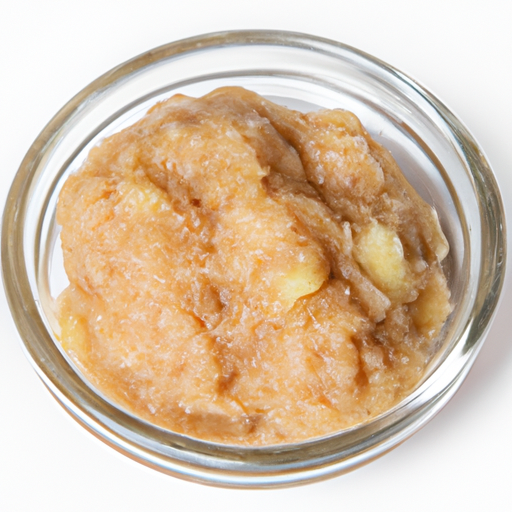
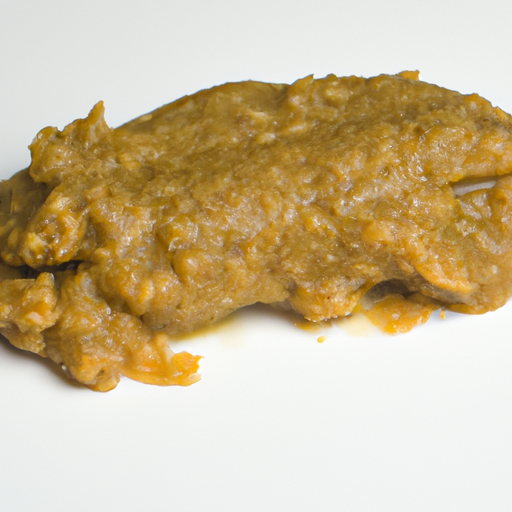
If your opened commercially packaged ginger paste looks discolored, has an off-putting odor that is sour or moldy, or if the texture appears slimy or gritty, it has likely gone bad and should be discarded. Trust your senses – if it doesn't look, smell, or feel right, it's best to be safe and throw it out.
Ginger paste, when commercially packaged and opened, can pose a risk of contamination by bacteria such as Salmonella or Listeria if not stored properly. To prevent foodborne illnesses, it is crucial to refrigerate the ginger paste after opening, use a clean utensil for scooping, and avoid cross-contamination with raw foods.
To maintain the freshness and flavor of opened ginger paste, store it in an airtight container in the refrigerator. For extended storage, consider freezing small portions in ice cube trays for easy use in cooking. Adding a thin layer of oil on top of the paste before sealing can help preserve its color and prevent drying out.
Ginger has a rich history of medicinal and culinary use dating back thousands of years. It is revered in many cultures for its healing properties and unique flavor profile. In Asian cuisines, ginger is a staple ingredient used in both savory and sweet dishes, adding a spicy and aromatic kick to various recipes.
Once opened, Ginger Paste Commercially Packaged should be consumed within 7 days for optimal quality and safety. Discard any leftovers after this period to reduce the risk of foodborne illness.
Ginger Paste Commercially Packaged should be stored in the fridge to maintain its quality and safety. If left at room temperature for an extended period, it's best to discard it to avoid potential contamination and spoilage.
The type of container can impact the shelf life of Ginger Paste Commercially Packaged. Airtight containers help maintain freshness longer compared to open or loosely covered containers. Always store it in a clean, sealed container to preserve its quality.
Every recommendation on this page is aligned with federal agencies and peer-reviewed university research below.
Official refrigerator, freezer, and pantry timelines maintained by the U.S. Department of Agriculture.
Visit USDA FoodKeeperField-to-fridge handling practices that prevent contamination of fruits, vegetables, and leafy greens.
Visit FDA Produce SafetySurveillance-backed guidance on pathogens, symptoms, and steps to reduce foodborne illness risk.
Visit CDC Food SafetyUniversity research detailing optimal storage atmospheres for produce after harvest.
Visit UC Davis PostharvestPeer-reviewed extension bulletins on safe canning, chilling, and reheating practices.
Visit Penn State ExtensionImportant: These are general guidelines based on authoritative sources listed above. Always use your best judgment and when in doubt, throw it out.