USDAOfficial guidance
USDA FoodKeeper – Cold Storage Guidelines
Official refrigerator, freezer, and pantry timelines maintained by the U.S. Department of Agriculture.
Visit USDA FoodKeeperLast reviewed: January 2026
Reviewed by the Can I Eat Expired Editorial Team using official USDA, FDA, and CDC food safety guidance. How we assess food safety risk
This food is often safe when handled and stored properly, but safety depends on how it's been kept and whether any spoilage signs are present.
⏱️ Safe for up to 2 days after expiry if properly stored and showing no spoilage signs.
Storage conditions, initial freshness, and potential contamination change the answer — and those details are easy to miss.
Get a yes / no answer for your avocados →
Check Your Exact Situation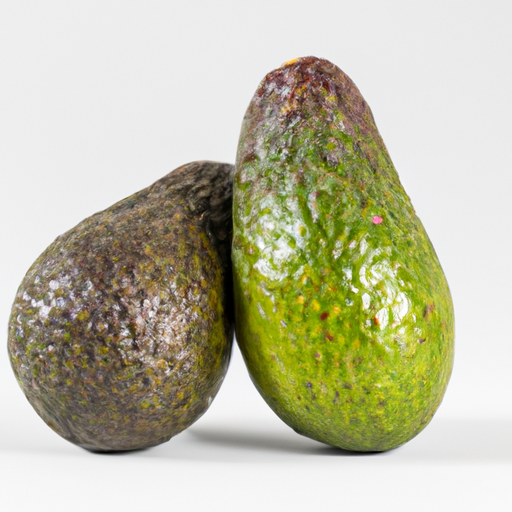
Fridge
40°F (4°C) when ripe, 65-70°F (18-21°C) for ripening
Store unripe at room temperature. Once ripe, refrigerate unwashed. For faster ripening, place in paper bag with banana or apple. For slower ripening, refrigerate immediately.
Proper airflow and humidity control can extend produce freshness. Using produce storage containers (Amazon) in the refrigerator helps regulate moisture and slow spoilage.
7 days
180 days
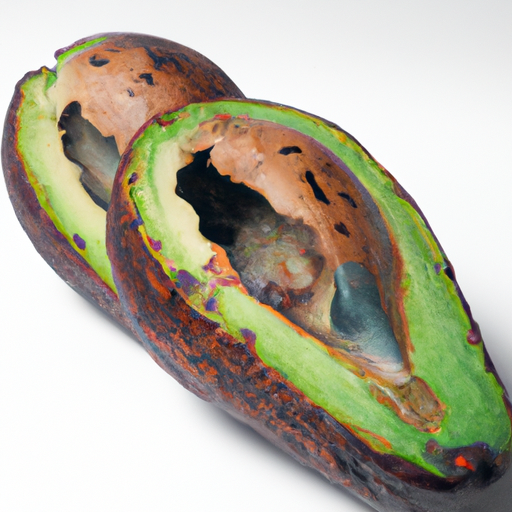
Dark sunken spots in skin, excessive softness, internal gray-black discoloration, mold under stem, rancid odor when cut, internal stringy texture, hollow spots in flesh
Use overripe fruit in hair masks, face treatments, or natural moisturizers. Blend into chocolate mousse, create natural food dye, use in baked goods as fat replacement, incorporate into homemade soap making
For spreading: hummus, nut butters, olive tapenade. For salads: hearts of palm, artichoke hearts. For smoothies: banana, coconut meat. For sandwiches: hummus, cucumber, olive oil
Avocados do not have a specific expiration date but rather ripen over time. The best quality of an avocado is typically determined by its ripeness and flavor. An overripe avocado may have dark spots, a mushy texture, and off-flavors. While it is safe to eat, it may not be enjoyable. On the other hand, an underripe avocado will be hard and lack flavor. It's best to use avocados when they are ripe but not overly soft.
To determine if a fresh avocado has gone bad, check for any dark spots, mold, or sunken areas on the skin. Rotten avocados may also emit a sour or fermented smell, indicating spoilage. Additionally, a mushy or overly soft texture when gently squeezed suggests that the avocado is no longer fresh.
Fresh avocados are generally safe to consume, but there are some risks associated with improper handling and storage. Cut or sliced avocados are more prone to bacterial contamination if left at room temperature for too long. Cross-contamination can occur if avocados come into contact with raw meat or poultry juices. It's important to wash the skin of the avocado before cutting to prevent any dirt or bacteria from transferring to the flesh.
To ripen avocados quickly, place them in a brown paper bag with a banana or apple. The ethylene gas produced by the fruit will speed up the ripening process. Once ripe, store avocados in the refrigerator to slow down ripening. To prevent browning, store cut avocados with the pit intact or sprinkle with lemon or lime juice. If you only use half an avocado, leave the pit in the other half and wrap tightly with plastic wrap before refrigerating.
Avocados are native to Central and South America, where they have been cultivated for thousands of years. They were considered a luxury food by the Aztecs and Mayans, who believed avocados to have aphrodisiac properties. In many cultures, avocados are used in both savory and sweet dishes. They are a staple in Mexican cuisine, where they are used to make guacamole, a popular dip. Avocados are also known for their health benefits, being rich in healthy fats, vitamins, and minerals.
If Fresh Avocados Whole have been left at room temperature for a few hours, they are safe to eat as avocados have a low risk level. However, to maintain quality, it's best to store them in the fridge. Check for any changes in texture or appearance before consuming.
Once opened, Fresh Avocados Whole can be safely consumed within 1-2 days if stored in an airtight container in the fridge. Ensure they are not exposed to air to prevent browning. Discard if you notice any off odors or mold growth.
The type of container can impact the shelf life of Fresh Avocados Whole. Airtight containers help prevent air exposure, which can slow down browning. Opt for containers specifically designed to store fruits to maintain freshness and quality.
Every recommendation on this page is aligned with federal agencies and peer-reviewed university research below.
Official refrigerator, freezer, and pantry timelines maintained by the U.S. Department of Agriculture.
Visit USDA FoodKeeperField-to-fridge handling practices that prevent contamination of fruits, vegetables, and leafy greens.
Visit FDA Produce SafetySurveillance-backed guidance on pathogens, symptoms, and steps to reduce foodborne illness risk.
Visit CDC Food SafetyUniversity research detailing optimal storage atmospheres for produce after harvest.
Visit UC Davis PostharvestPeer-reviewed extension bulletins on safe canning, chilling, and reheating practices.
Visit Penn State ExtensionImportant: These are general guidelines based on authoritative sources listed above. Always use your best judgment and when in doubt, throw it out.
Disclosure: As an Amazon Associate, we earn from qualifying purchases. This helps support our site and allows us to continue providing free food safety information.