USDAOfficial guidance
USDA FoodKeeper – Cold Storage Guidelines
Official refrigerator, freezer, and pantry timelines maintained by the U.S. Department of Agriculture.
Visit USDA FoodKeeperStorage conditions, initial freshness, and potential contamination change the answer — and those details are easy to miss.
Get a yes / no answer for your bananas →
Check Your Exact Situation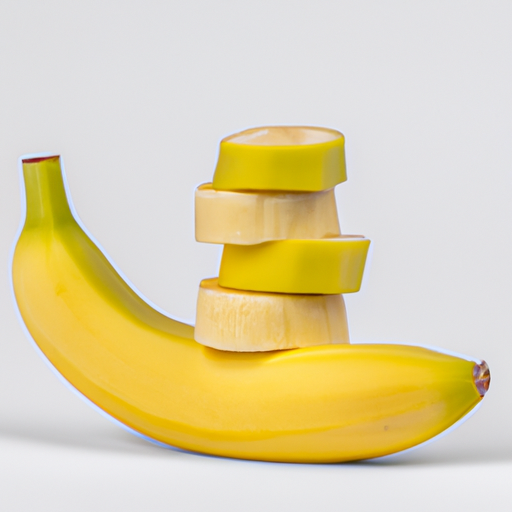
Last reviewed: January 2026
Reviewed by the Can I Eat Expired Editorial Team using official USDA, FDA, and CDC food safety guidance. How we assess food safety risk
Discard it after the expiration date.
Fridge
40°F (4°C)
Store in airtight container with lemon juice or citric acid solution to prevent browning. Cover cut surfaces completely. Remove as much air as possible from container.
Proper airflow and humidity control can extend produce freshness. Using produce storage containers (Amazon) in the refrigerator helps regulate moisture and slow spoilage.
2 days
180 days
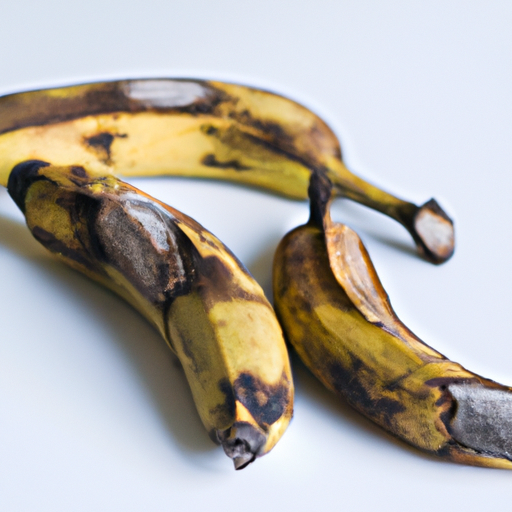
Excessive browning beyond normal oxidation, slimy texture, fermented smell, mold growth, unusual discoloration, liquid seepage, off-putting odor
Use in smoothies when browned, blend into banana bread batter, create face masks, mix into pancake batter, freeze for nice cream, add to oatmeal or cereals, incorporate into baked goods, blend into milkshakes
Fresh: plantains, apple slices treated with lemon juice. For baking: applesauce, mashed sweet potato, pumpkin puree. For smoothies: frozen mango, avocado
The expiration of fresh cut bananas is more about food safety than the quality of the fruit. While fresh cut bananas may start to brown and lose their texture after a few days, the main concern is the potential growth of harmful bacteria. It is recommended to consume cut bananas within 2-3 days of cutting them to reduce the risk of foodborne illness. However, for the best quality and taste, it is ideal to consume them on the same day they are cut.
To determine if fresh cut bananas have gone bad, look for any dark spots or discoloration on the surface. Check for a sour or fermented smell, indicating spoilage. Additionally, if the texture feels slimy or mushy, it's best to discard the cut bananas.
Fresh cut bananas can be a breeding ground for bacteria if not stored properly. The high moisture content and natural sugars in bananas provide an ideal environment for bacteria to multiply. It is important to store cut bananas at proper temperatures to prevent the growth of harmful bacteria that can cause foodborne illnesses.
To prolong the freshness of cut bananas, store them in an airtight container or wrap them tightly in plastic wrap to prevent air exposure. Adding a squeeze of lemon or lime juice can help slow down browning. If you want to freeze cut bananas for later use in smoothies or baking, make sure to peel them first and store them in a freezer-safe bag or container. When thawed, frozen bananas may be softer but are still great for adding sweetness and creaminess to recipes.
Bananas are one of the most popular fruits worldwide and hold cultural significance in many regions. They are often used in religious ceremonies, festivals, and traditional dishes. In some cultures, bananas are considered symbols of fertility and prosperity. Additionally, bananas are rich in potassium, which is essential for maintaining proper nerve and muscle function in the body.
Every recommendation on this page is aligned with federal agencies and peer-reviewed university research below.
Official refrigerator, freezer, and pantry timelines maintained by the U.S. Department of Agriculture.
Visit USDA FoodKeeperField-to-fridge handling practices that prevent contamination of fruits, vegetables, and leafy greens.
Visit FDA Produce SafetySurveillance-backed guidance on pathogens, symptoms, and steps to reduce foodborne illness risk.
Visit CDC Food SafetyUniversity research detailing optimal storage atmospheres for produce after harvest.
Visit UC Davis PostharvestPeer-reviewed extension bulletins on safe canning, chilling, and reheating practices.
Visit Penn State ExtensionImportant: These are general guidelines based on authoritative sources listed above. Always use your best judgment and when in doubt, throw it out.
Disclosure: As an Amazon Associate, we earn from qualifying purchases. This helps support our site and allows us to continue providing free food safety information.