USDAOfficial guidance
USDA FoodKeeper – Cold Storage Guidelines
Official refrigerator, freezer, and pantry timelines maintained by the U.S. Department of Agriculture.
Visit USDA FoodKeeperStorage conditions, initial freshness, and potential contamination change the answer — and those details are easy to miss.
Get a yes / no answer for your apples →
Last reviewed: January 2026
Reviewed by the Can I Eat Expired Editorial Team using official USDA, FDA, and CDC food safety guidance. How we assess food safety risk
This food is often safe when handled and stored properly, but safety depends on how it's been kept and whether any spoilage signs are present.
⏱️ Safe for up to 7 days after expiry if properly stored and showing no spoilage signs.
Fridge
32-40°F (0-4°C)
Store in crisper drawer. Keep away from ethylene-sensitive produce.
Proper airflow and humidity control can extend produce freshness. Using produce storage containers (Amazon) in the refrigerator helps regulate moisture and slow spoilage.
42 days
180 days
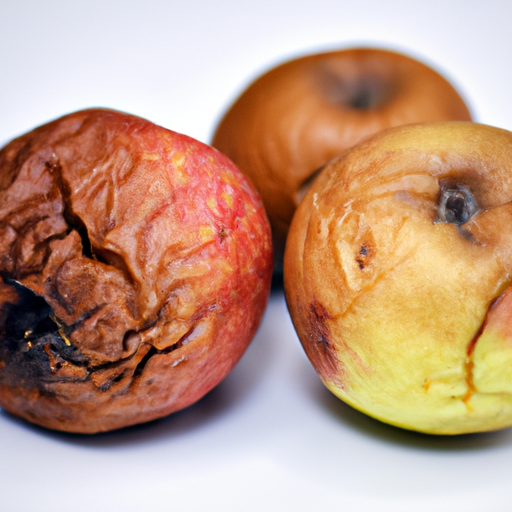
Soft spots, bruising, mold, wrinkled skin, mushy texture
Make applesauce or apple butter when slightly soft
Pears, Asian pears
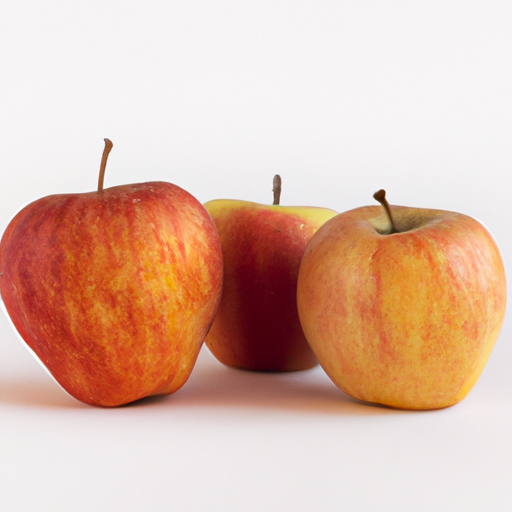
The expiration date on fresh apples refers to the point at which the apples may start to spoil and may no longer be safe to eat. However, apples can still be consumed after this date if they are in good condition. The best quality of fresh apples, on the other hand, refers to the peak flavor, texture, and nutritional value of the fruit. Apples are best consumed when they are firm, crisp, and flavorful, which may not necessarily align with the expiration date. To determine the best quality of apples, look for signs of freshness such as vibrant color, firmness, and a sweet aroma.
To check if fresh whole apples have gone bad, look for any mold, bruises, or shriveled skin. A foul or fermented smell indicates spoilage, as well as a mushy or slimy texture when touched. If you notice any of these signs, it's best to discard the apple to avoid consuming spoiled fruit.
Fresh apples are generally safe to eat, but there are some risks associated with them. One potential risk is the presence of pesticide residues on the skin of conventionally grown apples. To minimize this risk, it is recommended to wash apples thoroughly before consuming, or opt for organic apples. Another risk is the potential presence of pathogens such as E. coli or Salmonella, which can be introduced through improper handling or contaminated water during cultivation. It is important to wash apples under running water before eating to reduce the risk of foodborne illnesses.
To prolong the freshness of fresh apples, store them in the refrigerator crisper drawer, away from other fruits and vegetables. Apples emit ethylene gas, which can speed up the ripening process of other produce. If you notice any bruised or damaged apples, remove them from the batch to prevent spoilage of the rest. For long-term storage, consider freezing sliced apples or making applesauce to enjoy apples even when they are out of season. To prevent browning, soak sliced apples in a mixture of water and lemon juice before storing or consuming.
Apples have a rich cultural significance in many cultures around the world. They are often associated with health, wisdom, and temptation. In some cultures, apples are used in traditional ceremonies and rituals. For example, in the United States, apple pie is considered a classic dessert symbolizing home and comfort. In Chinese culture, apples are often given as gifts to symbolize peace and harmony. Additionally, apples have a long history of being featured in folklore and mythology, such as the story of the forbidden fruit in the Bible.
Fresh Apples Whole should ideally be stored in the fridge to maintain freshness and prolong shelf life. If it has been left at room temperature for a short period, like a few hours, it is generally safe to consume. However, for longer durations or in warm conditions, it's best to refrigerate them to prevent spoilage.
Once Fresh Apples Whole are opened, they should be consumed within a few days to maintain their quality and freshness. If stored properly in the fridge in an airtight container, they can last for about 3-5 days after opening.
The type of container used to store Fresh Apples Whole can impact their shelf life. Opt for a breathable container or perforated plastic bag to maintain air circulation and prevent moisture buildup, which can lead to premature spoilage. Avoid sealing them in airtight containers as it may cause them to ripen too quickly.
Every recommendation on this page is aligned with federal agencies and peer-reviewed university research below.
Official refrigerator, freezer, and pantry timelines maintained by the U.S. Department of Agriculture.
Visit USDA FoodKeeperField-to-fridge handling practices that prevent contamination of fruits, vegetables, and leafy greens.
Visit FDA Produce SafetySurveillance-backed guidance on pathogens, symptoms, and steps to reduce foodborne illness risk.
Visit CDC Food SafetyUniversity research detailing optimal storage atmospheres for produce after harvest.
Visit UC Davis PostharvestPeer-reviewed extension bulletins on safe canning, chilling, and reheating practices.
Visit Penn State ExtensionNeed deeper reading? Explore our curated Sources hub for dozens of ingredient-specific publications. Our food safety review methodology explains how safety determinations are made.
Dairy Products
View expiration date and storage guide →
Beverages
View expiration date and storage guide →
Cooking Ingredients
View expiration date and storage guide →
Beverages
View expiration date and storage guide →
Ready-to-Eat Meals
View expiration date and storage guide →
Dairy Products
View expiration date and storage guide →
Breakfast Foods
View expiration date and storage guide →
Dairy Products
View expiration date and storage guide →
Dairy Products
View expiration date and storage guide →
Important: These are general guidelines based on authoritative sources listed above. Always use your best judgment and when in doubt, throw it out. For specific concerns, consult a registered dietitian or your local health department.
Disclosure: As an Amazon Associate, we earn from qualifying purchases. This helps support our site and allows us to continue providing free food safety information.