USDAOfficial guidance
USDA FoodKeeper – Cold Storage Guidelines
Official refrigerator, freezer, and pantry timelines maintained by the U.S. Department of Agriculture.
Visit USDA FoodKeeperStorage conditions, initial freshness, and proper handling change the answer — and those details are easy to miss.
Get a yes / no answer for your eggs deviled →
Check Your Exact Situation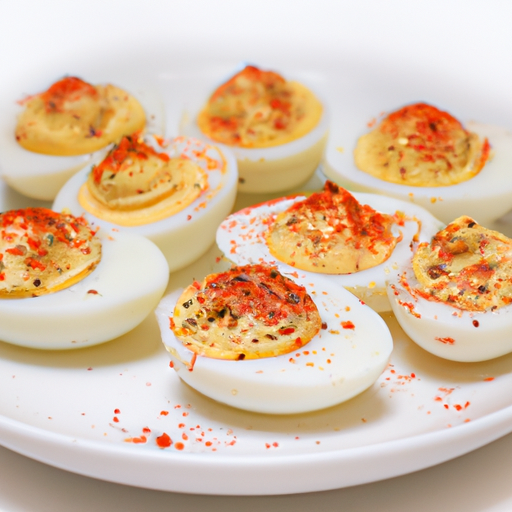
Last reviewed: January 2026
Reviewed by the Can I Eat Expired Editorial Team using official USDA, FDA, and CDC food safety guidance. How we assess food safety risk
Discard it after the expiration date.
Fridge
Between 33-40°F (1-4°C)
Cover with plastic wrap or store in an airtight container
3 days
Unpleasant odor, slimy texture, off-color or appearance
Use in salads, sandwiches, or as a protein-rich snack
Hard-boiled eggs or egg salad
Over time, deviled eggs can lose their quality as the filling may become watery, the whites may become rubbery, and the flavors may diminish. While deviled eggs are generally safe to eat for about 2-3 days when refrigerated properly, their best quality is within the first day of preparation.
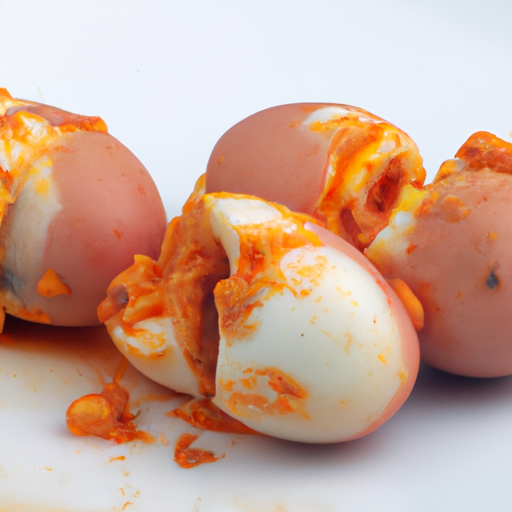
To determine if Deviled Eggs have gone bad, look for any changes in color or texture, such as a slimy coating or discoloration. Make sure to also check for any unusual or sour smells coming from the eggs. If the eggs appear off in any way or have a strange odor, it's best to discard them to avoid any potential foodborne illnesses.
Deviled eggs can pose a risk of foodborne illnesses such as Salmonella due to improper handling or storage. To prevent contamination, always refrigerate deviled eggs promptly, avoid leaving them at room temperature for extended periods, and consume within 2 hours if served at room temperature.
To maintain the freshness of deviled eggs, store them in an airtight container in the refrigerator. Place a damp paper towel over the eggs to prevent them from drying out. For serving, garnish with fresh herbs or paprika just before serving to enhance the presentation.
Deviled eggs have a rich history dating back to ancient Rome. They are a popular appetizer in many cultures and are often served at gatherings and celebrations. In the United States, deviled eggs are a staple at picnics, potlucks, and holiday feasts.
If Eggs Deviled Homemade has been left out at room temperature for 2 hours, it's best to discard them. Bacteria can multiply rapidly at room temperature, increasing the risk of foodborne illness.
Once opened, Eggs Deviled Homemade should be consumed within 2 hours if left at room temperature. If stored in the fridge, they can be safely eaten within 3 days.
The type of container can impact the shelf life of Eggs Deviled Homemade. Airtight containers can help prolong freshness by preventing exposure to air and moisture. Avoid storing in containers with strong odors to prevent flavor absorption.
Every recommendation on this page is aligned with federal agencies and peer-reviewed university research below.
Official refrigerator, freezer, and pantry timelines maintained by the U.S. Department of Agriculture.
Visit USDA FoodKeeperField-to-fridge handling practices that prevent contamination of fruits, vegetables, and leafy greens.
Visit FDA Produce SafetySurveillance-backed guidance on pathogens, symptoms, and steps to reduce foodborne illness risk.
Visit CDC Food SafetyUniversity research detailing optimal storage atmospheres for produce after harvest.
Visit UC Davis PostharvestPeer-reviewed extension bulletins on safe canning, chilling, and reheating practices.
Visit Penn State ExtensionImportant: These are general guidelines based on authoritative sources listed above. Always use your best judgment and when in doubt, throw it out.