USDAOfficial guidance
USDA FoodKeeper – Cold Storage Guidelines
Official refrigerator, freezer, and pantry timelines maintained by the U.S. Department of Agriculture.
Visit USDA FoodKeeperStorage conditions, initial freshness, and proper handling change the answer — and those details are easy to miss.
Get a yes / no answer for your sweet potato puree →
Check Your Exact Situation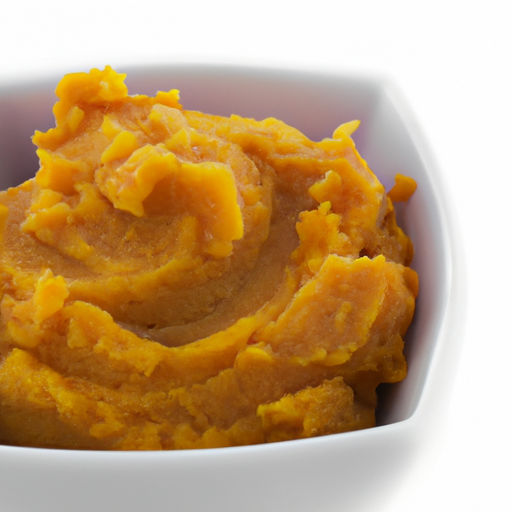
Last reviewed: January 2026
Reviewed by the Can I Eat Expired Editorial Team using official USDA, FDA, and CDC food safety guidance. How we assess food safety risk
This food is often safe when handled and stored properly, but safety depends on how it's been kept and whether any spoilage signs are present.
⏱️ Safe for up to 1 day after expiry if properly stored and showing no spoilage signs.
Fridge
4°C (40°F)
Store in airtight container
5 days
30 days
Off smell, discoloration, mold
Use in casseroles or soups
Other pureed vegetables
The expiration date on sweet potato puree indicates the point at which the product may no longer be safe to consume due to potential bacterial growth and spoilage. On the other hand, the 'best quality' refers to the period during which the puree is at its peak flavor and texture. Consuming the puree after the expiration date may pose health risks, while consuming it after the 'best quality' period may result in a loss of flavor and nutritional value.
To determine if sweet potato puree has gone bad, look for any mold growth, an off smell that is sour or rancid, or a slimy texture. Discard the puree if you notice any of these signs to reduce the risk of foodborne illness.
Sweet potato puree, being a baby food, is particularly susceptible to foodborne illnesses if not stored and handled properly. The main risk is the growth of harmful bacteria like Clostridium botulinum, which can cause botulism in infants. It is essential to ensure that the puree is prepared in a clean environment, stored at the correct temperature, and used within the recommended time frame to minimize the risk of contamination.
To ensure the optimal storage of sweet potato puree, it is recommended to store it in an airtight container in the refrigerator at a temperature below 40°F (4°C). Avoid storing it in the door of the refrigerator where temperatures fluctuate more. It is best to use the puree within 2-3 days of preparation to maintain its freshness and nutritional value. If freezing the puree, make sure to use freezer-safe containers and label them with the date of preparation to keep track of its shelf life. When reheating frozen puree, ensure it is heated thoroughly to kill any bacteria that may have developed during storage.
Sweet potatoes have a long history of cultivation and consumption in various cultures around the world. They are a staple food in many countries and are celebrated for their versatility and nutritional value. In some cultures, sweet potatoes are considered a symbol of prosperity and good luck. Sweet potato puree is often used in baby food recipes due to its natural sweetness and high nutrient content, making it a popular choice for parents looking to provide healthy and tasty meals for their infants.
Sweet Potato Puree should not be left out at room temperature for more than 2 hours. After 2 hours, harmful bacteria can multiply rapidly, increasing the risk of foodborne illness. If left out longer, it's safer to discard it.
If Sweet Potato Puree has been refrigerated for 6 days (exceeding the 5-day shelf life), it may still be safe to consume within 1 day after the expiry date if it shows no signs of spoilage. However, it's best to use your judgment and discard if there are any doubts about its quality.
Freezing Sweet Potato Puree can alter its texture slightly when thawed. It may become slightly watery or grainy upon thawing, but the flavor and nutritional content should remain relatively intact. Stir well after thawing to redistribute any separated liquids for a more consistent texture.
Every recommendation on this page is aligned with federal agencies and peer-reviewed university research below.
Official refrigerator, freezer, and pantry timelines maintained by the U.S. Department of Agriculture.
Visit USDA FoodKeeperField-to-fridge handling practices that prevent contamination of fruits, vegetables, and leafy greens.
Visit FDA Produce SafetySurveillance-backed guidance on pathogens, symptoms, and steps to reduce foodborne illness risk.
Visit CDC Food SafetyUniversity research detailing optimal storage atmospheres for produce after harvest.
Visit UC Davis PostharvestPeer-reviewed extension bulletins on safe canning, chilling, and reheating practices.
Visit Penn State ExtensionImportant: These are general guidelines based on authoritative sources listed above. Always use your best judgment and when in doubt, throw it out.