USDAOfficial guidance
USDA FoodKeeper – Cold Storage Guidelines
Official refrigerator, freezer, and pantry timelines maintained by the U.S. Department of Agriculture.
Visit USDA FoodKeeperStorage conditions, initial freshness, and proper handling change the answer — and those details are easy to miss.
Get a yes / no answer for your pureed carrots →
Check Your Exact Situation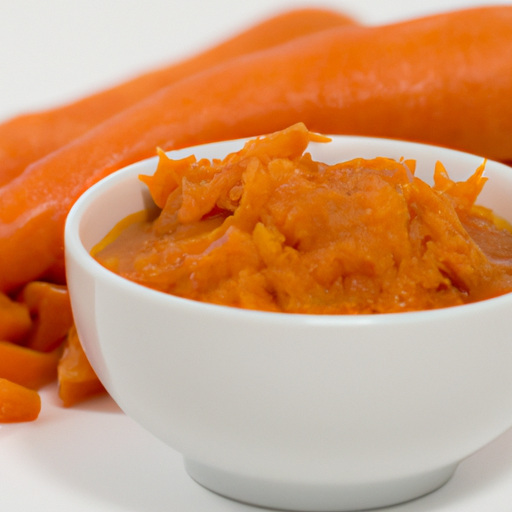
Last reviewed: January 2026
Reviewed by the Can I Eat Expired Editorial Team using official USDA, FDA, and CDC food safety guidance. How we assess food safety risk
This food is often safe when handled and stored properly, but safety depends on how it's been kept and whether any spoilage signs are present.
⏱️ Safe for up to 1 day after expiry if properly stored and showing no spoilage signs.
Fridge
4°C (40°F)
Store in airtight container
4 days
30 days
Off smell, discoloration, separation
Use in soups or as a vegetable side
Other pureed vegetables
The expiration date on baby food, including pureed carrots, indicates the date until which the product is guaranteed to be at its best quality in terms of taste, texture, and nutritional value. Consuming the product after the expiration date may not necessarily pose a food safety risk, but the quality may have deteriorated. It is always best to adhere to the expiration date for optimal quality.
To determine if pureed carrots have gone bad, look for any mold growth, off colors, or a sour smell. Also, check for any sliminess or unusual texture changes. If you notice any of these signs, it's best to discard the pureed carrots to avoid consuming spoiled food.
Pureed carrots, being a baby food, are generally considered safe for consumption. However, care must be taken to ensure that the carrots are fresh, properly cooked, and stored correctly to prevent any potential risks. It is important to follow proper hygiene practices when preparing and serving pureed carrots to infants to avoid any contamination.
To ensure the freshness and quality of pureed carrots, store them in airtight containers in the refrigerator. It is recommended to use the pureed carrots within 2-3 days of preparation to maintain their nutritional value. If freezing pureed carrots for later use, transfer them to freezer-safe containers or ice cube trays for portioning. Thaw frozen pureed carrots in the refrigerator overnight and stir well before serving to ensure a consistent texture.
Carrots are a popular choice for baby food due to their mild flavor, easy digestibility, and high nutrient content. They are rich in beta-carotene, which is converted into vitamin A in the body, essential for healthy vision and immune function. In some cultures, carrots are believed to promote good eyesight, leading to the saying that 'carrots are good for your eyes.' Pureed carrots are often one of the first solid foods introduced to infants during weaning.
If Pureed Carrots has been at room temperature for 2 hours, it's generally safe to eat, but the quality may have slightly declined. Ensure there are no signs of spoilage like an off smell, odd texture, or mold growth. If in doubt, it's best to discard to reduce the risk of foodborne illness.
Once opened, Pureed Carrots can be safely consumed within 2-3 days if stored in the fridge. Ensure to cover it tightly after each use to maintain freshness and prevent contamination. If there are any signs of spoilage, such as an off smell or unusual texture, discard it immediately.
The type of container used to store Pureed Carrots can impact its shelf life. Opt for airtight containers to maintain freshness and prevent contamination. Glass or BPA-free plastic containers are recommended for storing baby food like Pureed Carrots as they help retain quality and flavor for longer periods.
Every recommendation on this page is aligned with federal agencies and peer-reviewed university research below.
Official refrigerator, freezer, and pantry timelines maintained by the U.S. Department of Agriculture.
Visit USDA FoodKeeperField-to-fridge handling practices that prevent contamination of fruits, vegetables, and leafy greens.
Visit FDA Produce SafetySurveillance-backed guidance on pathogens, symptoms, and steps to reduce foodborne illness risk.
Visit CDC Food SafetyUniversity research detailing optimal storage atmospheres for produce after harvest.
Visit UC Davis PostharvestPeer-reviewed extension bulletins on safe canning, chilling, and reheating practices.
Visit Penn State ExtensionImportant: These are general guidelines based on authoritative sources listed above. Always use your best judgment and when in doubt, throw it out.