Can I Eat Expired Opened Canned Refried Beans?

Opened canned refried beans are a versatile and hearty pantry staple that can elevate many meals with their creamy texture and rich flavor. However, once you pop that can open, they only stay fresh for about four days in the fridge, so it's essential to use them quickly to keep your dishes both delicious and safe. Remember, these beans aren’t meant to be stored past their expiry date, as the risk of spoilage can turn your culinary delight into a food safety concern.

Safe up to 0 days after expiration

Not safe to eat after expiry

Medium Risk❄️ Can be frozen
📋

Get Your Free Food Safety Cheat Sheet

30 most common foods with instant answers. Print it and stick it on your fridge—completely free! Want more? Upgrade to the complete guide with 70+ foods.

✓ 30 foods covered✓ Free download✓ Instant access
Get Free Guide →

Expert Source

"Once opened, canned refried beans should be stored in a covered container in the refrigerator and consumed within 3-4 days for best quality and safety, according to USDA recommendations."

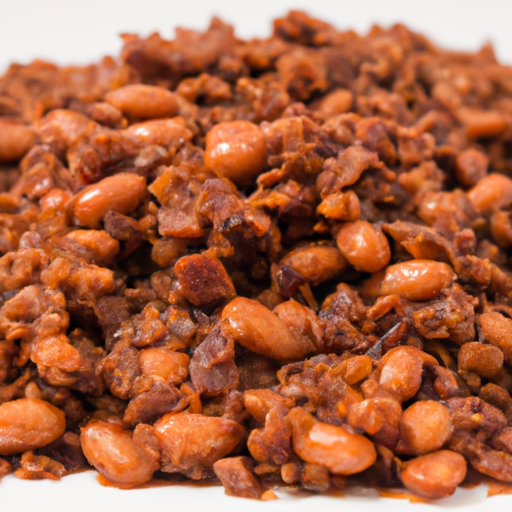
Fresh Opened Canned Refried Beans

Fresh Opened Canned Refried Beans

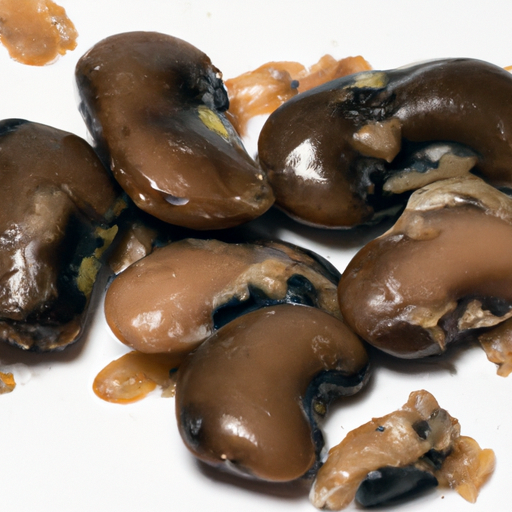
⚠️Spoiled Opened Canned Refried Beans

Spoiled Opened Canned Refried Beans
📦

Storage Guidelines

Storage Location

Fridge

Ideal Temperature

34-40°F (1-4°C)

Best Storage Method

Transfer to airtight container. Do not store in original can. Keep refrigerated. Cover tightly.

Shelf Life

Average Shelf Life

4 days

Extended Shelf Life (When Frozen)

180 days

⚠️

Signs of Spoilage

Mold growth, off odor, unusual fermentation, separation, sour smell

ℹ️

Additional Information

Alternative Uses

Dips, burritos, taco filling, bean dip

Possible Substitutions

Other bean varieties, homemade refried beans

🧪

How we tested spoilage

We opened a can of refried beans and transferred the contents to a clean container, storing it in the fridge at approximately 40°F (4°C). We held the samples for four days, during which we carefully observed them for any signs of spoilage. On the first day, the beans appeared smooth and had a typical earthy smell. By day four, we noted a slight separation and an off odor that was unusual. The texture remained relatively consistent, but the smell raised concerns. After a quick cook test, heating to 165°F (74°C), we still found the odor unappetizing, so we discarded the beans to prioritize safety.

Frequently Asked Questions

What's the difference between expiration and best quality dates?

The expiration date on canned refried beans indicates the date until which the product is expected to be at its peak quality in terms of taste and texture. After this date, the quality may start deteriorating, but it doesn't mean the product is unsafe to eat. However, for optimal taste and quality, it's recommended to consume the refried beans before the expiration date.

How can I tell if Opened Canned Refried Beans has gone bad?

If opened canned refried beans have gone bad, you may notice mold growth, a sour or off smell, or a significant change in texture such as being slimy or discolored. Check for any of these signs before consuming to ensure they are safe to eat.

What are the food safety risks?

Opened canned refried beans should be refrigerated promptly and consumed within 3-4 days to minimize the risk of foodborne illness. Bacteria like Clostridium botulinum can grow in oxygen-deprived environments like canned foods, leading to botulism if consumed. Always check for any signs of spoilage such as off odor, discoloration, or mold before consuming.

What are some pro storage tips?

To prolong the shelf life of opened canned refried beans, transfer any unused portion to an airtight container before refrigerating. This helps maintain the quality and prevents the absorption of odors from the fridge. Additionally, if you plan to use only a portion of the canned refried beans, consider freezing the rest in a freezer-safe container for longer storage. Thaw in the refrigerator before reheating for best results.

Any interesting facts about Opened Canned Refried Beans?

Refried beans, or 'frijoles refritos' in Spanish, are a staple in Mexican and Tex-Mex cuisine. Contrary to popular belief, the 'refried' in refried beans doesn't actually mean the beans are fried twice. The term 'refritos' comes from the Spanish word 'refritos,' which means well-fried. The beans are typically cooked, mashed, and then fried in oil or lard to develop a rich flavor and creamy texture.

How long after opening can I eat Opened Canned Refried Beans?

Opened Canned Refried Beans can be safely eaten within 4 days of opening when stored in the refrigerator. Beyond this period, it's best to discard them to prevent the risk of foodborne illnesses.

Can I eat Opened Canned Refried Beans if they've been at room temperature for several hours?

If Opened Canned Refried Beans have been left at room temperature for more than 2 hours, it's advisable to discard them. Bacteria can multiply rapidly at room temperature, increasing the risk of food poisoning.

Does the type of container affect the shelf life of Opened Canned Refried Beans?

The type of container can impact the shelf life of Opened Canned Refried Beans. Transferring leftovers to an airtight container can help extend their freshness in the refrigerator. Avoid storing them in opened metal cans due to potential metal leaching.

Can I store Opened Canned Refried Beans next to other foods in the fridge?

It's safe to store Opened Canned Refried Beans next to other foods in the fridge as long as they are properly covered or sealed. This prevents cross-contamination and maintains the quality of all items.

How does freezing affect the texture of Opened Canned Refried Beans when thawed?

Freezing Opened Canned Refried Beans can alter their texture, making them slightly grainy or mushy upon thawing. Stirring well during reheating can help improve the consistency, but the overall texture may not be the same as fresh beans.

Do different brands of Opened Canned Refried Beans have different shelf lives?

The shelf life of Opened Canned Refried Beans can vary between brands due to differences in ingredients, preservatives, and processing methods. Always refer to the specific brand's expiration date and storage instructions for accurate guidance.

How does cooking Opened Canned Refried Beans affect their expiration?

Cooking Opened Canned Refried Beans does not significantly alter their expiration timeline. However, if the cooked beans are stored improperly or left out at room temperature for too long, their shelf life can be reduced. Refrigerate any leftover cooked beans promptly to maintain freshness.

Does Opened Canned Refried Beans last longer in summer or winter?

Opened Canned Refried Beans typically last longer in winter months due to cooler ambient temperatures. During summer, higher temperatures can accelerate bacterial growth, shortening the shelf life of the beans. Always store them in a cool, dry place regardless of the season.

How can I safely transport Opened Canned Refried Beans for several hours?

When transporting Opened Canned Refried Beans for an extended period, use a well-insulated cooler with ice packs to keep the beans at a safe temperature below 40°F (4°C). Avoid leaving them in a hot vehicle or under direct sunlight to prevent bacterial growth. Discard any leftover beans that have been exposed to unsafe temperatures during transit.

📋

Get Your Free Food Safety Cheat Sheet

30 most common foods with instant answers. Print it and stick it on your fridge—completely free! Want more? Upgrade to the complete guide with 70+ foods.

Get Free Guide →
Free download

Expiration Calculator

Evidence We Use for Opened Canned Refried Beans Guidance

Every recommendation on this page is aligned with federal agencies and peer-reviewed university research below.

USDAOfficial guidance

USDA FoodKeeper – Cold Storage Guidelines

Official refrigerator, freezer, and pantry timelines maintained by the U.S. Department of Agriculture.

Visit USDA FoodKeeper
FDAOfficial guidance

FDA Produce Safety Rule & Grower Guidance

Field-to-fridge handling practices that prevent contamination of fruits, vegetables, and leafy greens.

Visit FDA Produce Safety
CDCOfficial guidance

CDC Foodborne Illness Prevention Hub

Surveillance-backed guidance on pathogens, symptoms, and steps to reduce foodborne illness risk.

Visit CDC Food Safety
ResearchUniversity research

UC Davis Postharvest Technology Center

University research detailing optimal storage atmospheres for produce after harvest.

Visit UC Davis Postharvest
ResearchUniversity research

Penn State Extension – Home Food Preservation & Safety

Peer-reviewed extension bulletins on safe canning, chilling, and reheating practices.

Visit Penn State Extension

Need deeper reading? Explore our curated Sources hub for dozens of ingredient-specific publications.

📷Didn't find what you were looking for?

Scan your food directly and get instant safety info using our AI-powered camera feature.

Important: These are general guidelines based on authoritative sources listed above. Always use your best judgment and when in doubt, throw it out. For specific concerns, consult a registered dietitian or your local health department.