USDAOfficial guidance
USDA FoodKeeper – Cold Storage Guidelines
Official refrigerator, freezer, and pantry timelines maintained by the U.S. Department of Agriculture.
Visit USDA FoodKeeperStorage conditions, initial freshness, and proper handling change the answer — and those details are easy to miss.
Last reviewed: January 2026
Reviewed by the Can I Eat Expired Editorial Team using official USDA, FDA, and CDC food safety guidance. How we assess food safety risk
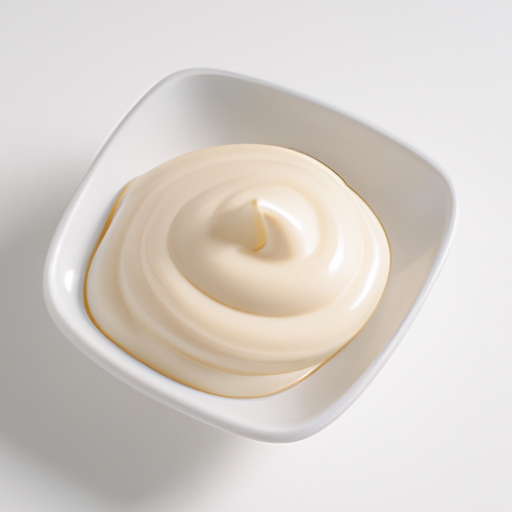
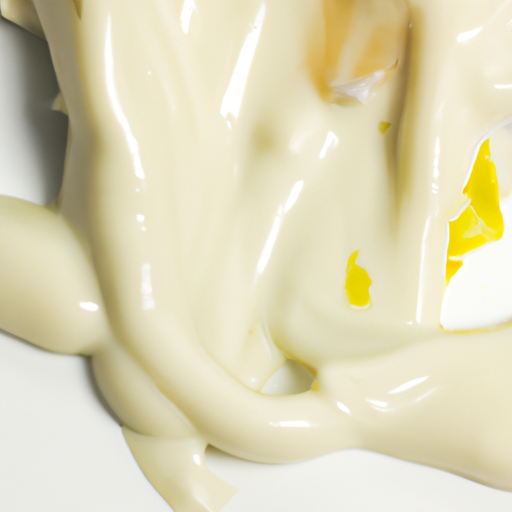
May be safe if properly stored and showing no spoilage signs. Check carefully before consuming.
⏱️ Safe for up to 7 days after expiry if properly stored and showing no spoilage signs.
Get a yes / no answer for your mayonnaise →
Fridge
Between 35°F (1.6°C) and 40°F (4.4°C)
Keep tightly sealed in original container
Spices lose flavor and potency when exposed to air and moisture. Keeping them sealed in an airtight spice container (Amazon) helps preserve flavor and prevent clumping.
60 days
Separation of oil, off smell, discoloration
Mix with other condiments for dressings, sandwich spreads
Yogurt-based dressings
Mayonnaise degrades over time due to factors like exposure to air, light, and temperature fluctuations. While the dates are manufacturer guidance and not absolute safety indicators to consume, the best quality is typically maintained within a few weeks to a month after opening. It's essential to differentiate between safety concerns after expiration and the decline in taste and texture for quality reasons.
When checking if opened commercially packaged mayonnaise has gone bad, look for any changes in color, such as a yellow or brown tint, which can indicate spoilage. Additionally, a sour or off smell and a separated or watery texture are signs that the mayonnaise is no longer safe to eat.
Mayonnaise can pose a risk of foodborne illness if not stored properly. The main pathogens of concern are Salmonella and Listeria. To prevent contamination, always use clean utensils when scooping out mayonnaise, refrigerate promptly after opening, and avoid cross-contamination with other foods. High-risk scenarios include leaving mayonnaise at room temperature for extended periods or using expired products.
For optimal storage and freshness, always seal the mayonnaise jar tightly after each use to prevent air exposure. Store it in the refrigerator, ideally on the middle shelf where the temperature is most consistent. Avoid placing the jar in the refrigerator door as temperature fluctuations can degrade the product faster. If separation occurs, simply stir the mayonnaise to restore its creamy consistency.
Mayonnaise has a rich culinary history, believed to have originated in the Mediterranean region in the 18th century. It has since become a staple condiment worldwide, with variations in recipes and uses across different cultures. Interestingly, mayonnaise is a key ingredient in popular dishes like coleslaw, potato salad, and the famous BLT sandwich.
Mayonnaise Commercially Packaged Opened can be safely consumed if left at room temperature for a few hours, as long as it shows no signs of spoilage like mold, off odors, or unusual texture. However, to maintain quality and reduce the risk of foodborne illness, it's best to refrigerate it promptly.
Once opened, Mayonnaise Commercially Packaged Opened can typically be consumed within 60 days if stored properly in the refrigerator. However, for safety, consume it within 7 days after its expiry date. Be sure to check for any signs of spoilage before using.
The shelf life of Mayonnaise Commercially Packaged Opened is generally consistent across different brands, usually lasting around 60 days in the fridge. However, it's essential to check the expiration date on the packaging and follow storage instructions provided by the manufacturer.
Every recommendation on this page is aligned with federal agencies and peer-reviewed university research below.
Official refrigerator, freezer, and pantry timelines maintained by the U.S. Department of Agriculture.
Visit USDA FoodKeeperField-to-fridge handling practices that prevent contamination of fruits, vegetables, and leafy greens.
Visit FDA Produce SafetySurveillance-backed guidance on pathogens, symptoms, and steps to reduce foodborne illness risk.
Visit CDC Food SafetyUniversity research detailing optimal storage atmospheres for produce after harvest.
Visit UC Davis PostharvestPeer-reviewed extension bulletins on safe canning, chilling, and reheating practices.
Visit Penn State ExtensionImportant: These are general guidelines based on authoritative sources listed above. Always use your best judgment and when in doubt, throw it out.
Disclosure: As an Amazon Associate, we earn from qualifying purchases. This helps support our site and allows us to continue providing free food safety information.