USDAOfficial guidance
USDA FoodKeeper – Cold Storage Guidelines
Official refrigerator, freezer, and pantry timelines maintained by the U.S. Department of Agriculture.
Visit USDA FoodKeeperStorage conditions, initial freshness, and proper handling change the answer — and those details are easy to miss.
Get a yes / no answer for your ketchup catsup bottled →
Last reviewed: January 2026
Reviewed by the Can I Eat Expired Editorial Team using official USDA, FDA, and CDC food safety guidance. How we assess food safety risk
Discard it after the expiration date.
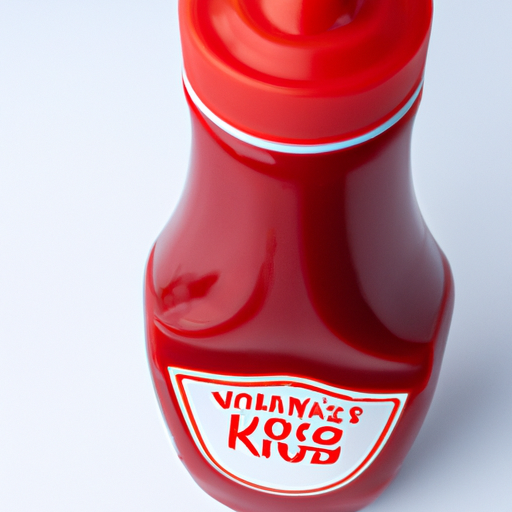
Fridge
33-40°F (0.6-4.4°C)
Keep refrigerated after opening.
Spices lose flavor and potency when exposed to air and moisture. Keeping them sealed in an airtight spice container (Amazon) helps preserve flavor and prevent clumping.
60 days
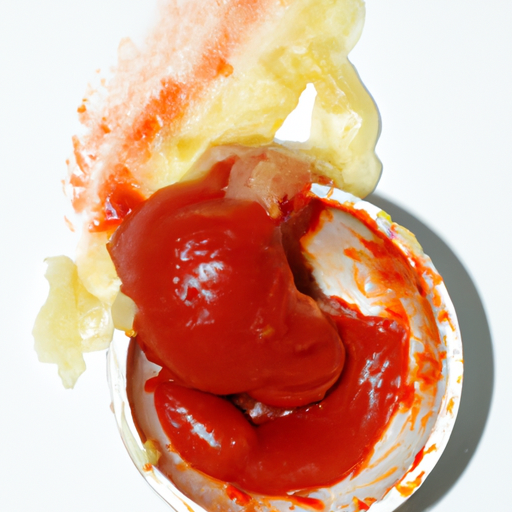
Mold growth, off smell, unusual color
Marinades, sauces, dips
Tomato paste with vinegar and sugar
Opened ketchup typically retains best quality for about 6 months to 1 year after opening, but the flavor and consistency may start to degrade over time. While it may still be safe to consume beyond this timeframe, the taste might not be as fresh. Check for signs of spoilage such as off odor, discoloration, or unusual texture to determine if it's still suitable for consumption.
When checking if opened commercially bottled ketchup has spoiled, look for signs of mold growth, unusual discoloration, or a foul odor. Additionally, if the texture appears slimy or chunky instead of smooth, it is best to discard the ketchup to ensure safety.
Ketchup can pose a low risk of foodborne illness due to the high acidity and preservatives. However, if left at room temperature for an extended period, there is a risk of mold growth and spoilage. To prevent contamination, always use clean utensils and avoid cross-contamination with raw foods. Refrigerate after opening to extend shelf life and minimize bacterial growth.
To maintain optimal quality, store opened ketchup in the refrigerator to slow down flavor degradation and preserve freshness. Ensure the bottle is tightly sealed after each use to prevent air exposure. For a fun twist, mix ketchup with other condiments or spices to create unique dipping sauces or marinades. Shake the bottle well before each use to evenly distribute any settled ingredients.
Ketchup, originally a Chinese fermented fish sauce, evolved into the tomato-based condiment we know today. It gained popularity in the 19th century in the United States and became a staple on fast food menus worldwide. In cultures like the United States, ketchup is often associated with burgers and fries, while in other regions, different condiments take precedence.
It's not recommended to consume Ketchup Catsup Commercially Bottled Opened after its 60-day shelf life in the fridge has passed. Even if it looks and smells okay, the risk of spoilage and bacterial growth increases significantly after the expiration date. It's safer to discard it and get a fresh bottle to avoid foodborne illness.
Storing Ketchup Catsup Commercially Bottled Opened at room temperature can lead to a quicker deterioration in quality and safety. It's best to keep it refrigerated at all times to maintain its freshness and reduce the risk of spoilage. If left out for an extended period, especially in warm conditions, it's safer to discard it.
The type of container can affect the shelf life of Ketchup Catsup Commercially Bottled Opened. Glass bottles are usually better at preserving the quality compared to plastic bottles due to their impermeability to air and light. However, regardless of the container type, always follow the recommended storage instructions on the label for optimal freshness.
Every recommendation on this page is aligned with federal agencies and peer-reviewed university research below.
Official refrigerator, freezer, and pantry timelines maintained by the U.S. Department of Agriculture.
Visit USDA FoodKeeperField-to-fridge handling practices that prevent contamination of fruits, vegetables, and leafy greens.
Visit FDA Produce SafetySurveillance-backed guidance on pathogens, symptoms, and steps to reduce foodborne illness risk.
Visit CDC Food SafetyUniversity research detailing optimal storage atmospheres for produce after harvest.
Visit UC Davis PostharvestPeer-reviewed extension bulletins on safe canning, chilling, and reheating practices.
Visit Penn State ExtensionNeed deeper reading? Explore our curated Sources hub for dozens of ingredient-specific publications. Our food safety review methodology explains how safety determinations are made.
Dairy Products
View expiration date and storage guide →
Fruits & Vegetables
View expiration date and storage guide →
Beverages
View expiration date and storage guide →
Cooking Ingredients
View expiration date and storage guide →
Beverages
View expiration date and storage guide →
Fruits & Vegetables
View expiration date and storage guide →
Ready-to-Eat Meals
View expiration date and storage guide →
Dairy Products
View expiration date and storage guide →
Breakfast Foods
View expiration date and storage guide →
Important: These are general guidelines based on authoritative sources listed above. Always use your best judgment and when in doubt, throw it out. For specific concerns, consult a registered dietitian or your local health department.
Disclosure: As an Amazon Associate, we earn from qualifying purchases. This helps support our site and allows us to continue providing free food safety information.