USDAOfficial guidance
USDA FoodKeeper – Cold Storage Guidelines
Official refrigerator, freezer, and pantry timelines maintained by the U.S. Department of Agriculture.
Visit USDA FoodKeeperStorage conditions, initial freshness, and potential contamination change the answer — and those details are easy to miss.
Get a yes / no answer for your leek →
Last reviewed: January 2026
Reviewed by the Can I Eat Expired Editorial Team using official USDA, FDA, and CDC food safety guidance. How we assess food safety risk
May be safe if properly stored and showing no spoilage signs. Check carefully before consuming.
⏱️ Safe for up to 2 days after expiry if properly stored and showing no spoilage signs.
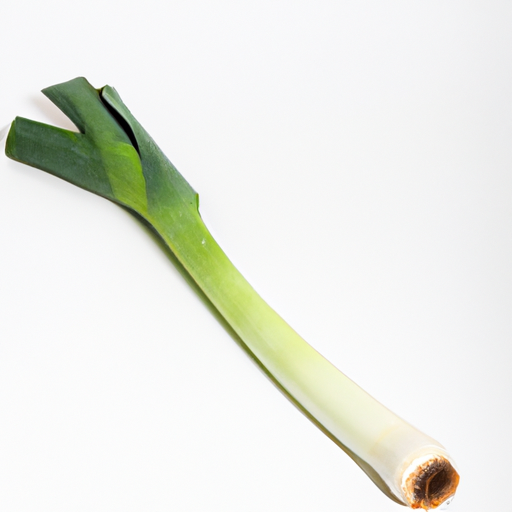
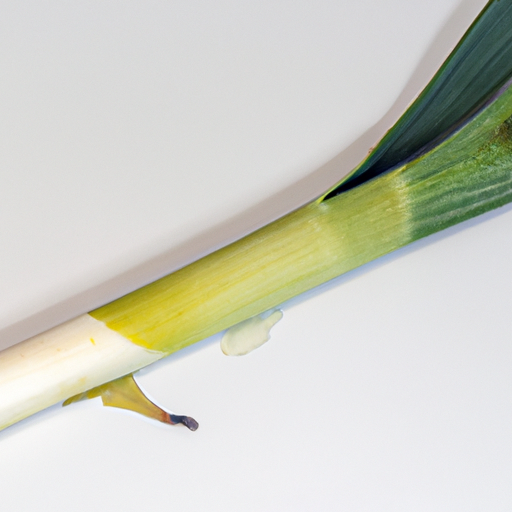
Fridge
32-35°F (0-2°C)
Wrap in damp paper towel, store in a plastic bag in the vegetable crisper
Proper airflow and humidity control can extend produce freshness. Using produce storage containers (Amazon) in the refrigerator helps regulate moisture and slow spoilage.
14 days
90 days
Slimy texture, discoloration, foul smell
Add to soups, stews, stir-fries
Green onions
Sure thing! So, expiration dates and best quality dates for leeks are important to know. The expiration date signifies when a leek may no longer be safe to eat due to potential spoilage or foodborne illness risk. On the other hand, the best quality date indicates when the leek might begin to lose its optimal taste and texture but is still safe to consume. For example, if today is the expiration date on your leek package, I'd recommend giving it a sniff and look for any sliminess or mold. If it looks and smells okay, you can still use it. However, if it's a few days past the best quality date, the leek might not be as crisp and flavorful as it once was, but it should still be safe to eat. Personally, I tend to trust my senses when it comes to using leeks. If it looks and smells fine, I usually go ahead and cook with it even if it's a bit past the best quality date. What about you?
To tell if a leek has gone bad, look for signs of browning, wilting, or mold on the outer layers. A strong, unpleasant odor is another indicator of spoilage. When touched, a slimy or mushy texture indicates that the leek is no longer fresh and should be discarded.
Hey there! Let's chat about leeks and food safety. While leeks are delicious and versatile, they can also pose some foodborne illness risks if not handled properly. One major risk with leeks is contamination from bacteria like E. coli or Salmonella, which can lead to symptoms like stomach cramps, diarrhea, and vomiting. To avoid these unpleasant experiences, here are some practical safety tips: 1. Always wash leeks thoroughly under running water to remove any dirt or debris trapped between the layers. 2. Store leeks in the refrigerator to prevent bacteria growth. 3. Avoid cross-contamination by keeping leeks separate from raw meat and poultry during preparation. 4. Cook leeks thoroughly to kill any harmful bacteria before consuming. I remember one time when I didn't wash my leeks properly before making soup, and let's just say, it wasn't a fun experience dealing with an upset stomach! So, always take that extra minute to ensure your leeks are clean and cooked thoroughly to enjoy them without any worries. Stay safe and happy cooking!
Sure thing! Leeks can be a bit tricky to store, but with these tips, you'll keep them fresh and delicious for longer. Firstly, trim off the roots and any wilted outer leaves before storing. To keep them crisp, wrap leeks in a damp paper towel and place them in a perforated plastic bag in the crisper drawer of your fridge. If you want to save space in your fridge, consider cutting the leeks into slices or strips and freezing them. Spread the slices on a baking sheet before freezing to prevent clumping. Once frozen, transfer them to a freezer-safe bag or container. Alternatively, you can pickle leeks for a burst of flavor and longer shelf life. Simply slice the leeks and place them in a jar with a vinegar and sugar solution. Keep them in the fridge for up to a few weeks. I often use leeks in soups, stir-fries, and pasta dishes, so having them prepped and ready to go in the freezer is a time-saver. Plus, pickled leeks make a tasty addition to salads and sandwiches. Give these storage hacks a try, and you'll never waste leeks again!
Hey there! Let's chat about leeks - those long, lovely veggies that add a unique flavor to dishes. Did you know that leeks have been around for centuries? Ancient Greeks and Romans believed that leeks were beneficial for the throat and used them to strengthen their voices. How cool is that? In Wales, the humble leek holds special significance. St. David, the patron saint of Wales, is said to have advised soldiers to wear leeks on their helmets during battle to distinguish themselves from their enemies. To this day, the leek is a national emblem of Wales and is even celebrated on St. David's Day with traditional dishes like Cawl, a hearty leek and lamb stew. Not just a symbol of Wales, leeks are a versatile ingredient found in cuisines worldwide. From French soups to Asian stir-fries, leeks bring a mild onion flavor and a touch of sweetness to dishes. So, next time you spot leeks at the grocery store, remember their rich history and flavorful impact in global cuisines!
Leek can be safely consumed if left at room temperature for a few hours, but it's best to refrigerate it promptly to maintain freshness and reduce the risk of bacterial growth. If the Leek has been exposed to temperatures above 40°F (4°C) for more than two hours, it's safer to discard it.
Freezing Leek can alter its texture, making it softer and potentially mushy when thawed. To minimize texture changes, blanch the Leek before freezing to help retain its crispness. When thawing, expect some softening, especially if using the Leek in cooked dishes like soups or stews.
While the shelf life of Leek is generally around 14 days when stored properly, factors such as the freshness at the time of purchase and the packaging methods used by different brands may slightly affect the shelf life. Always refer to the expiration date on the packaging and follow storage guidelines for optimal freshness.
Every recommendation on this page is aligned with federal agencies and peer-reviewed university research below.
Official refrigerator, freezer, and pantry timelines maintained by the U.S. Department of Agriculture.
Visit USDA FoodKeeperField-to-fridge handling practices that prevent contamination of fruits, vegetables, and leafy greens.
Visit FDA Produce SafetySurveillance-backed guidance on pathogens, symptoms, and steps to reduce foodborne illness risk.
Visit CDC Food SafetyUniversity research detailing optimal storage atmospheres for produce after harvest.
Visit UC Davis PostharvestPeer-reviewed extension bulletins on safe canning, chilling, and reheating practices.
Visit Penn State ExtensionNeed deeper reading? Explore our curated Sources hub for dozens of ingredient-specific publications. Our food safety review methodology explains how safety determinations are made.
Dairy Products
View expiration date and storage guide →
Beverages
View expiration date and storage guide →
Cooking Ingredients
View expiration date and storage guide →
Beverages
View expiration date and storage guide →
Ready-to-Eat Meals
View expiration date and storage guide →
Dairy Products
View expiration date and storage guide →
Breakfast Foods
View expiration date and storage guide →
Dairy Products
View expiration date and storage guide →
Dairy Products
View expiration date and storage guide →
Important: These are general guidelines based on authoritative sources listed above. Always use your best judgment and when in doubt, throw it out. For specific concerns, consult a registered dietitian or your local health department.
Disclosure: As an Amazon Associate, we earn from qualifying purchases. This helps support our site and allows us to continue providing free food safety information.