USDAOfficial guidance
USDA FoodKeeper – Cold Storage Guidelines
Official refrigerator, freezer, and pantry timelines maintained by the U.S. Department of Agriculture.
Visit USDA FoodKeeperStorage conditions, initial freshness, and proper handling change the answer — and those details are easy to miss.
Last reviewed: January 2026
Reviewed by the Can I Eat Expired Editorial Team using official USDA, FDA, and CDC food safety guidance. How we assess food safety risk
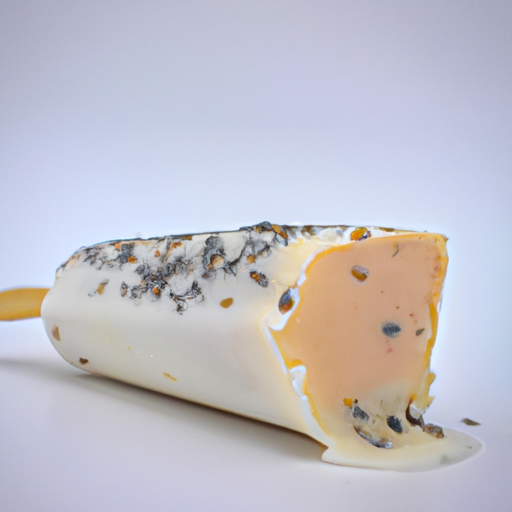
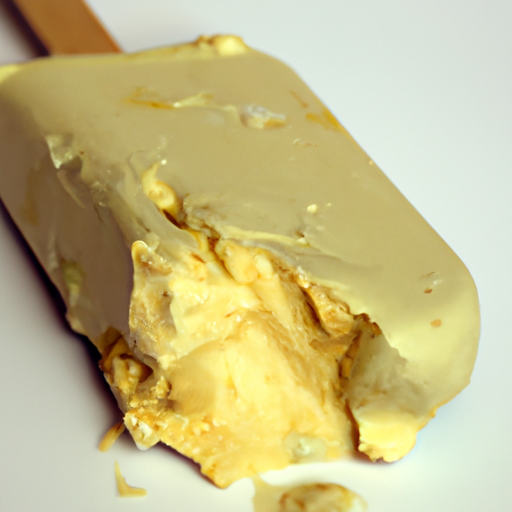
This food is often safe when handled and stored properly, but safety depends on how it's been kept and whether any spoilage signs are present.
⏱️ Safe for up to 90 days after expiry if properly stored and showing no spoilage signs.
Get a yes / no answer for your kulfi indian ice cream →
Freezer
-18°C (0°F)
Keep in a tightly sealed container
180 days
Freezer burn, ice crystals, off smell
Eat frozen or with nuts
Gelato, ice cream
The expiration date on kulfi primarily indicates the point at which the quality of the product may start to deteriorate, affecting factors such as texture and flavor. While consuming kulfi past the expiration date may not necessarily make you sick, it might not taste as good as when it was fresh. The best quality of kulfi is usually within a few months of the production date, as it starts to lose its creamy texture and flavor over time.
To check if Kulfi Indian Ice Cream has gone bad, look for any signs of ice crystals, discoloration, or an off smell. The texture should be smooth and creamy, not gritty or icy. If the ice cream feels slimy or has a sour smell, it is best to discard it.
Kulfi, like any other dairy-based dessert, can pose risks of foodborne illnesses if not handled and stored properly. The main concern is the growth of harmful bacteria such as Salmonella, Listeria, and E. coli, which can thrive in frozen desserts if left at unsafe temperatures or exposed to contamination.
To maintain the quality and safety of kulfi, store it in the coldest part of your freezer, ideally at a temperature below 0°F (-18°C). Make sure the kulfi is tightly wrapped in plastic wrap or stored in an airtight container to prevent freezer burn and absorption of odors from other foods. If you're making kulfi at home, consider using popsicle molds or small paper cups for individual servings, making it easier to serve and store without compromising its texture.
Kulfi is a traditional frozen dessert originating from the Indian subcontinent. It is often prepared by reducing sweetened milk and adding flavors such as cardamom, saffron, pistachio, or rosewater before freezing it in cone-shaped molds. Kulfi holds cultural significance in India and is commonly enjoyed during festivals, celebrations, and hot summer days. It is often sold by street vendors and is a popular treat among both locals and tourists.
If Kulfi Indian Ice Cream has been at room temperature for 2 hours, it's generally safe to consume as long as it still feels cold to the touch. However, prolonged exposure to room temperature can affect its texture and quality. It's recommended to return it to the freezer promptly to maintain its best quality.
Once opened, Kulfi Indian Ice Cream can be safely consumed within 7-10 days if stored properly in the freezer. Make sure to seal the container tightly after each use to prevent freezer burn and maintain the quality of the dessert.
The type of container can impact the shelf life of Kulfi Indian Ice Cream. Opt for airtight, moisture-resistant containers to prevent freezer burn and maintain the quality of the dessert for an extended period. Transparent containers may expose the dessert to light, potentially affecting its color and flavor over time.
Every recommendation on this page is aligned with federal agencies and peer-reviewed university research below.
Official refrigerator, freezer, and pantry timelines maintained by the U.S. Department of Agriculture.
Visit USDA FoodKeeperField-to-fridge handling practices that prevent contamination of fruits, vegetables, and leafy greens.
Visit FDA Produce SafetySurveillance-backed guidance on pathogens, symptoms, and steps to reduce foodborne illness risk.
Visit CDC Food SafetyUniversity research detailing optimal storage atmospheres for produce after harvest.
Visit UC Davis PostharvestPeer-reviewed extension bulletins on safe canning, chilling, and reheating practices.
Visit Penn State ExtensionImportant: These are general guidelines based on authoritative sources listed above. Always use your best judgment and when in doubt, throw it out.