USDAOfficial guidance
USDA FoodKeeper – Cold Storage Guidelines
Official refrigerator, freezer, and pantry timelines maintained by the U.S. Department of Agriculture.
Visit USDA FoodKeeperStorage conditions, initial freshness, and proper handling change the answer — and those details are easy to miss.
Get a yes / no answer for your ice cream all flavors including vanilla chocolate st berry coffee butter pecan un package →
Last reviewed: January 2026
Reviewed by the Can I Eat Expired Editorial Team using official USDA, FDA, and CDC food safety guidance. How we assess food safety risk
May be safe if properly stored and showing no spoilage signs. Check carefully before consuming.
Freezer
-10°F (-23°C)
Keep in original packaging to prevent freezer burn.
90 days
Ice crystals, off odors, freezer burn
Make milkshakes, use as topping for desserts
The expiration date on ice cream refers to the point at which the manufacturer guarantees the quality of the product. While ice cream may still be safe to eat after the expiration date if properly stored, the quality in terms of texture and flavor may deteriorate. Best quality refers to the optimal freshness and taste of the ice cream, which is usually within the recommended storage timeframe. It is important to consume ice cream within a reasonable time frame to enjoy it at its best quality.
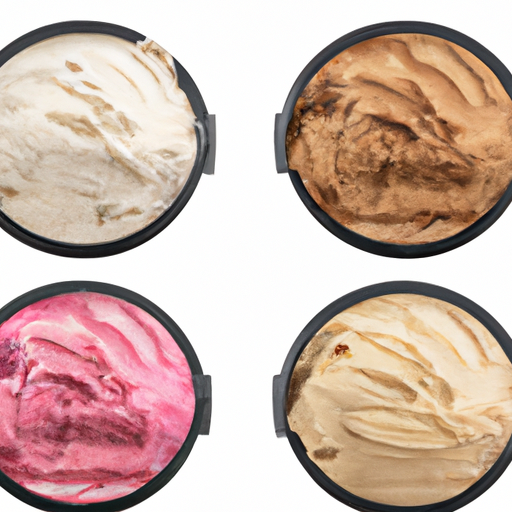
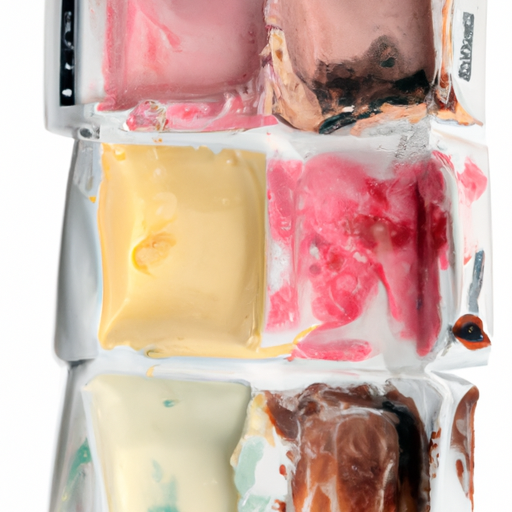
To determine if commercially frozen ice cream has gone bad, look for any signs of freezer burn on the surface, such as ice crystals or a dried-out appearance. Check for any unusual odors, like a sour or off smell, which can indicate spoilage. Additionally, if the ice cream feels excessively hard or has developed a grainy texture, it may be best to discard it.
Ice cream is a perishable product that requires proper storage and handling to reduce the risk of foodborne illness. When stored at improper temperatures, such as above 0°F (-18°C), ice cream can become a breeding ground for harmful bacteria like Listeria monocytogenes. Always check for signs of freezer burn or ice crystals, which can affect the texture and flavor of the ice cream. Additionally, if the packaging is damaged or compromised, there is a risk of contamination.
To optimize the storage of commercially frozen ice cream, keep it in the coldest part of the freezer, ideally at 0°F (-18°C) or lower. Store the ice cream in its original packaging or transfer it to an airtight container to prevent freezer burn and absorption of odors from other foods. Avoid frequent thawing and refreezing, as this can affect the texture and quality of the ice cream. If the ice cream becomes too hard, allow it to sit at room temperature for a few minutes before scooping.
Ice cream is a beloved dessert enjoyed worldwide, with each culture putting its own spin on flavors and presentation. In the United States, popular flavors like vanilla, chocolate, and strawberry dominate the market, while countries like Italy are known for gelato with flavors like coffee and butter pecan. Ice cream has cultural significance in many societies, often associated with celebrations, holidays, and special occasions.
It's not recommended to consume Ice Cream Commercially Frozen All Flavors Including Vanilla Chocolate Strawberry Coffee Butter Pecan Unopened Package if it has been stored at room temperature as it may lead to thawing and refreezing, affecting the texture and quality. Always store it in the freezer to maintain its taste and consistency.
Freezing Ice Cream Commercially Frozen All Flavors Including Vanilla Chocolate Strawberry Coffee Butter Pecan Unopened Package can cause ice crystals to form, resulting in a slightly grainy or icy texture upon thawing. To improve the texture, allow the ice cream to soften slightly at room temperature before serving.
The type of container can impact the shelf life of Ice Cream Commercially Frozen All Flavors Including Vanilla Chocolate Strawberry Coffee Butter Pecan Unopened Package. Airtight, moisture-resistant containers help maintain quality by preventing freezer burn. Avoid storing ice cream in containers prone to temperature fluctuations or odors to ensure optimal freshness.
Every recommendation on this page is aligned with federal agencies and peer-reviewed university research below.
Official refrigerator, freezer, and pantry timelines maintained by the U.S. Department of Agriculture.
Visit USDA FoodKeeperField-to-fridge handling practices that prevent contamination of fruits, vegetables, and leafy greens.
Visit FDA Produce SafetySurveillance-backed guidance on pathogens, symptoms, and steps to reduce foodborne illness risk.
Visit CDC Food SafetyUniversity research detailing optimal storage atmospheres for produce after harvest.
Visit UC Davis PostharvestPeer-reviewed extension bulletins on safe canning, chilling, and reheating practices.
Visit Penn State ExtensionNeed deeper reading? Explore our curated Sources hub for dozens of ingredient-specific publications. Our food safety review methodology explains how safety determinations are made.
Frozen Foods
View expiration date and storage guide →
Frozen Foods
View expiration date and storage guide →
Frozen Foods
View expiration date and storage guide →
Frozen Foods
View expiration date and storage guide →
Frozen Foods
View expiration date and storage guide →
Meat & Poultry
View expiration date and storage guide →
Frozen Foods
View expiration date and storage guide →
Meat & Poultry
View expiration date and storage guide →
Meat & Poultry
View expiration date and storage guide →
Important: These are general guidelines based on authoritative sources listed above. Always use your best judgment and when in doubt, throw it out. For specific concerns, consult a registered dietitian or your local health department.