USDAOfficial guidance
USDA FoodKeeper – Cold Storage Guidelines
Official refrigerator, freezer, and pantry timelines maintained by the U.S. Department of Agriculture.
Visit USDA FoodKeeperLast reviewed: January 2026
Reviewed by the Can I Eat Expired Editorial Team using official USDA, FDA, and CDC food safety guidance. How we assess food safety risk
Storage conditions, initial freshness, and proper handling change the answer — and those details are easy to miss.
Get a yes / no answer for your danish pastry →
Check Your Exact SituationDiscard it after the expiration date.

Freezer
0°F (-18°C)
Sealed in an airtight container to prevent freezer burn
180 days
Formation of ice crystals, change in color or texture, freezer burn
Thawed and reheated with a drizzle of icing for a fresh-baked taste
Croissants, cinnamon rolls
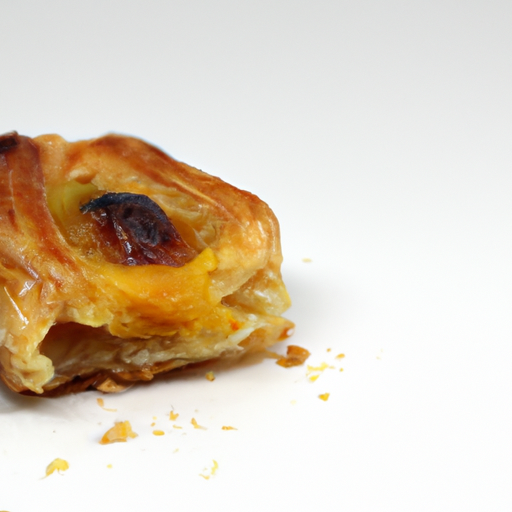
The expiration date on Danish pastries usually indicates when the product may no longer be safe to consume due to potential bacterial growth or spoilage. However, the best quality of Danish pastries is typically within a few days of baking or purchasing, as they tend to dry out and lose their freshness over time. While consuming Danish pastries past the expiration date may not always result in illness, it is recommended to consume them within a reasonable time frame for the best taste and texture.
To determine if Danish Pastry has gone bad, look for any mold growth on the surface, a sour or off smell, or a change in texture such as becoming overly dry or sticky. If you notice any of these signs, it's best to discard the pastry to avoid any potential foodborne illnesses.
When it comes to Danish pastries, the main food safety concern is the potential growth of harmful bacteria if not stored properly. Since Danish pastries are typically made with dairy products like butter and cream, as well as eggs, there is a risk of contamination if they are not kept at the correct temperatures. To prevent foodborne illnesses, it is important to store Danish pastries in the refrigerator or freezer and follow proper hygiene practices when handling and serving them.
To keep Danish pastries fresh and delicious for longer, it is best to store them in an airtight container or tightly wrapped in plastic wrap in the refrigerator. If you plan to consume them within a few days, storing them at room temperature in a cool, dry place is acceptable. For longer-term storage, Danish pastries can be frozen for up to 2-3 months. When ready to enjoy, simply thaw them in the refrigerator overnight or reheat them in the oven for a few minutes to restore their crispness.
Danish pastries, also known as 'Wienerbrød' in Denmark, have a rich cultural history and are a beloved treat in many countries around the world. The origins of Danish pastries can be traced back to the 19th century when Austrian bakers introduced their techniques to Denmark. Today, Danish pastries come in a variety of flavors and shapes, with fillings like almond paste, custard, fruit, and nuts. In Denmark, these pastries are often enjoyed with a cup of coffee or tea as a traditional breakfast or snack.
It's not recommended to consume Danish Pastry that has been stored in the freezer beyond the recommended shelf life of 180 days. Although it may not pose an immediate health risk, the quality and taste may have significantly deteriorated. For best quality, adhere to the recommended storage duration.
When thawing Danish Pastry, the texture may become slightly softer and lose some of its original flakiness. To help retain its texture, consider reheating the pastry in an oven for a few minutes after thawing. Avoid microwaving, as it can make the pastry soggy.
While most frozen Danish Pastry brands have a shelf life of around 180 days when stored properly, it's always advisable to check the packaging for specific instructions. Factors such as ingredients, preservatives, and storage conditions can influence the shelf life of different brands.
Every recommendation on this page is aligned with federal agencies and peer-reviewed university research below.
Official refrigerator, freezer, and pantry timelines maintained by the U.S. Department of Agriculture.
Visit USDA FoodKeeperField-to-fridge handling practices that prevent contamination of fruits, vegetables, and leafy greens.
Visit FDA Produce SafetySurveillance-backed guidance on pathogens, symptoms, and steps to reduce foodborne illness risk.
Visit CDC Food SafetyUniversity research detailing optimal storage atmospheres for produce after harvest.
Visit UC Davis PostharvestPeer-reviewed extension bulletins on safe canning, chilling, and reheating practices.
Visit Penn State ExtensionStorage: Freezer
View guide →
Storage: Freezer
View guide →
Storage: Freezer
View guide →
Storage: Freezer
View guide →
Storage: Freezer
View guide →
Storage: Freezer
View guide →
Storage: Freezer
View guide →
Storage: Freezer
View guide →
Storage: Freezer
View guide →
Important: These are general guidelines based on authoritative sources listed above. Always use your best judgment and when in doubt, throw it out.