USDAOfficial guidance
USDA FoodKeeper – Cold Storage Guidelines
Official refrigerator, freezer, and pantry timelines maintained by the U.S. Department of Agriculture.
Visit USDA FoodKeeperStorage conditions, initial freshness, and proper handling change the answer — and those details are easy to miss.
Last reviewed: January 2026
Reviewed by the Can I Eat Expired Editorial Team using official USDA, FDA, and CDC food safety guidance. How we assess food safety risk
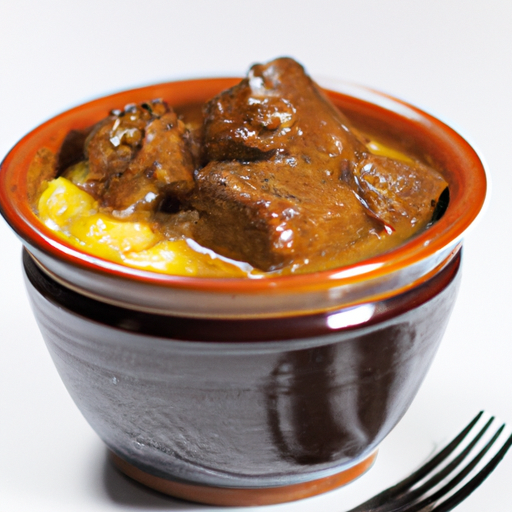
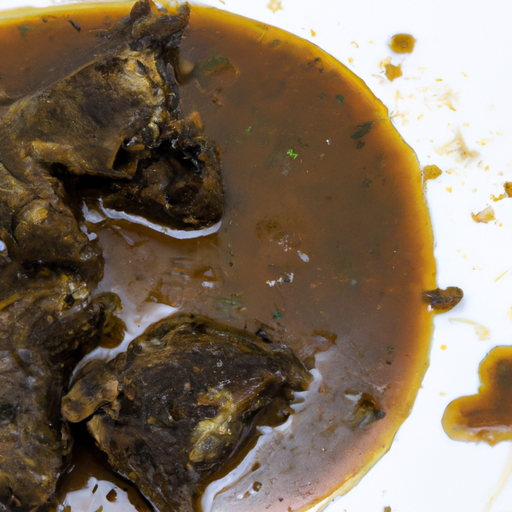
May be safe if properly stored and showing no spoilage signs. Check carefully before consuming.
⏱️ Safe for up to 3 days after expiry if properly stored and showing no spoilage signs.
Get a yes / no answer for your gravy lamb →
Fridge
40°F (4°C)
Keep refrigerated in a sealed container
5 days
10 days
Separation of liquids, off odor, mold growth
Use as a sauce for pasta, rice dishes, or sandwiches
Other types of gravy or sauce
Over time, Gravy Lamb Homemade will degrade in quality due to changes in flavor, texture, and color. While it may still be safe to consume beyond the expiration date if stored correctly, the taste and overall enjoyment may diminish. It's important to differentiate between expiration dates for safety reasons and best quality dates for optimal taste and experience.
To determine if Gravy Lamb Homemade has gone bad, look for any signs of mold, discoloration, or unpleasant odor. Fresh gravy should have a smooth texture and a rich, savory aroma. If you notice any sliminess, off-putting smell, or unusual color changes, it's best to discard it to avoid any potential foodborne illnesses.
Gravy Lamb Homemade can pose risks of foodborne illnesses if not handled properly. The main pathogens to watch out for are bacteria like Salmonella and Clostridium perfringens, which can multiply in the sauce if left at unsafe temperatures. To prevent contamination, always refrigerate leftover gravy promptly, reheat it to a rolling boil before serving, and avoid cross-contamination with raw meat juices.
To maintain the quality of Gravy Lamb Homemade, store it in airtight containers in the refrigerator for up to 3-4 days. For longer storage, freezing is recommended, but be sure to thaw and reheat properly to avoid texture changes. To enhance the flavor, consider adding fresh herbs or a splash of wine when reheating.
Gravy sauces have a rich history across various cultures, with lamb gravies being particularly popular in Mediterranean and Middle Eastern cuisines. Lamb is a staple meat in many regions, and its rich flavor adds depth to sauces. In some cultures, the act of making homemade gravy is considered an art form passed down through generations.
If Gravy Lamb Homemade has been left at room temperature for more than 2 hours, it's best to discard it to prevent the risk of foodborne illness. Bacteria can multiply rapidly at room temperature, potentially causing food poisoning.
When Gravy Lamb Homemade is frozen, the texture may change slightly upon thawing. Freezing can cause separation, with the fats and liquids no longer fully emulsified. To restore the texture, gently reheat the gravy while stirring to blend the components back together.
While the general guidelines for the shelf life of Gravy Lamb Homemade are consistent, variations may occur among different brands due to ingredients and preservatives used. Always refer to the expiration date on the packaging and follow storage instructions provided by the specific brand.
Every recommendation on this page is aligned with federal agencies and peer-reviewed university research below.
Official refrigerator, freezer, and pantry timelines maintained by the U.S. Department of Agriculture.
Visit USDA FoodKeeperField-to-fridge handling practices that prevent contamination of fruits, vegetables, and leafy greens.
Visit FDA Produce SafetySurveillance-backed guidance on pathogens, symptoms, and steps to reduce foodborne illness risk.
Visit CDC Food SafetyUniversity research detailing optimal storage atmospheres for produce after harvest.
Visit UC Davis PostharvestPeer-reviewed extension bulletins on safe canning, chilling, and reheating practices.
Visit Penn State ExtensionImportant: These are general guidelines based on authoritative sources listed above. Always use your best judgment and when in doubt, throw it out.