USDAOfficial guidance
USDA FoodKeeper – Cold Storage Guidelines
Official refrigerator, freezer, and pantry timelines maintained by the U.S. Department of Agriculture.
Visit USDA FoodKeeperStorage conditions, initial freshness, and proper handling change the answer — and those details are easy to miss.
Get a yes / no answer for your teriyaki sauce →
Last reviewed: January 2026
Reviewed by the Can I Eat Expired Editorial Team using official USDA, FDA, and CDC food safety guidance. How we assess food safety risk
This food is often safe when handled and stored properly, but safety depends on how it's been kept and whether any spoilage signs are present.
⏱️ Safe for up to 7 days after expiry if properly stored and showing no spoilage signs.
Fridge
36-40°F (2-4°C)
Refrigerate after opening
180 days
30 days
Change in color, presence of mold, unusual odor
Marinade for chicken, glaze for grilled vegetables
Soy sauce with added sugar and ginger
Teriyaki sauce can degrade over time due to factors like exposure to air, light, and temperature fluctuations. While the sauce may still be safe to consume past the expiration date if stored properly, its quality in terms of taste and texture may diminish. It is essential to differentiate between expiration dates for safety reasons and best quality dates for optimal flavor. Degradation of teriyaki sauce may result in changes in color, consistency, and flavor.
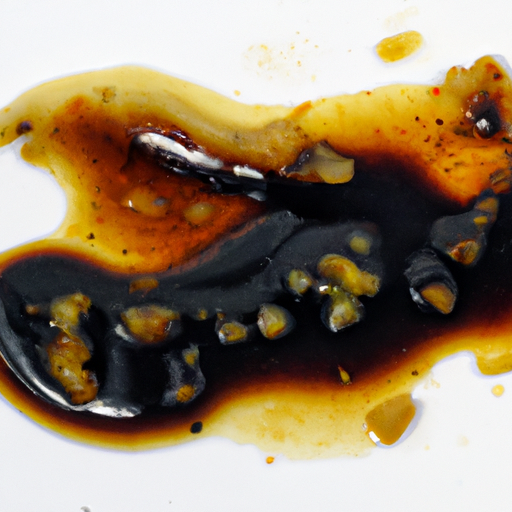
To determine if Teriyaki Sauce has spoiled, look for signs of mold growth, discoloration, or a sour smell. Additionally, if the sauce has developed an off-putting texture, such as becoming excessively thick or slimy, it is best to discard it to prevent any potential foodborne illness.
Teriyaki sauce, like other sauces containing soy sauce, can pose a risk of foodborne illness due to the presence of potentially harmful bacteria such as Clostridium botulinum. To prevent foodborne illnesses, it is important to store teriyaki sauce in the refrigerator after opening, avoid cross-contamination with raw meats, and use within a reasonable timeframe. High-risk scenarios include leaving the sauce at room temperature for extended periods and consuming expired or contaminated teriyaki sauce.
For optimal storage of teriyaki sauce, it is recommended to keep the bottle tightly sealed in a cool, dark place such as the refrigerator. To prevent crystallization of sugars in the sauce, gently shake or stir before each use. Additionally, using a clean utensil to dispense the sauce can help maintain its quality. To extend the shelf life of teriyaki sauce, consider transferring small amounts into a separate container for daily use while keeping the main bottle sealed until needed.
Teriyaki sauce originated in Japan and is a popular marinade and condiment in Japanese cuisine. The word 'teriyaki' comes from the Japanese words 'teri,' which means luster, and 'yaki,' which means grill or broil. This savory-sweet sauce is known for its glossy appearance and umami flavor profile. In Japanese culture, teriyaki sauce is often used to enhance the taste of grilled meats and seafood, showcasing the balance of sweet and salty flavors.
Once opened, Teriyaki Sauce can be safely stored in the fridge for up to 180 days. Ensure it's tightly sealed to maintain quality and flavor. Discard if there are any signs of spoilage like off odors or mold.
If Teriyaki Sauce has been at room temperature for a few hours, it's generally safe to eat within 7 days after its expiry date. However, always check for any changes in color, smell, or texture before consuming. If in doubt, it's best to discard it to prevent any risks of foodborne illnesses.
The type of container can impact the shelf life of Teriyaki Sauce. Opt for airtight glass or plastic containers to maintain freshness. Avoid storing Teriyaki Sauce in metal containers as the acidity may react with the metal, affecting the taste and quality.
Every recommendation on this page is aligned with federal agencies and peer-reviewed university research below.
Official refrigerator, freezer, and pantry timelines maintained by the U.S. Department of Agriculture.
Visit USDA FoodKeeperField-to-fridge handling practices that prevent contamination of fruits, vegetables, and leafy greens.
Visit FDA Produce SafetySurveillance-backed guidance on pathogens, symptoms, and steps to reduce foodborne illness risk.
Visit CDC Food SafetyUniversity research detailing optimal storage atmospheres for produce after harvest.
Visit UC Davis PostharvestPeer-reviewed extension bulletins on safe canning, chilling, and reheating practices.
Visit Penn State ExtensionNeed deeper reading? Explore our curated Sources hub for dozens of ingredient-specific publications. Our food safety review methodology explains how safety determinations are made.
Dairy Products
View expiration date and storage guide →
Fruits & Vegetables
View expiration date and storage guide →
Beverages
View expiration date and storage guide →
Cooking Ingredients
View expiration date and storage guide →
Beverages
View expiration date and storage guide →
Fruits & Vegetables
View expiration date and storage guide →
Ready-to-Eat Meals
View expiration date and storage guide →
Dairy Products
View expiration date and storage guide →
Breakfast Foods
View expiration date and storage guide →
Important: These are general guidelines based on authoritative sources listed above. Always use your best judgment and when in doubt, throw it out. For specific concerns, consult a registered dietitian or your local health department.