USDAOfficial guidance
USDA FoodKeeper – Cold Storage Guidelines
Official refrigerator, freezer, and pantry timelines maintained by the U.S. Department of Agriculture.
Visit USDA FoodKeeperStorage conditions, initial freshness, and proper handling change the answer — and those details are easy to miss.
Last reviewed: January 2026
Reviewed by the Can I Eat Expired Editorial Team using official USDA, FDA, and CDC food safety guidance. How we assess food safety risk
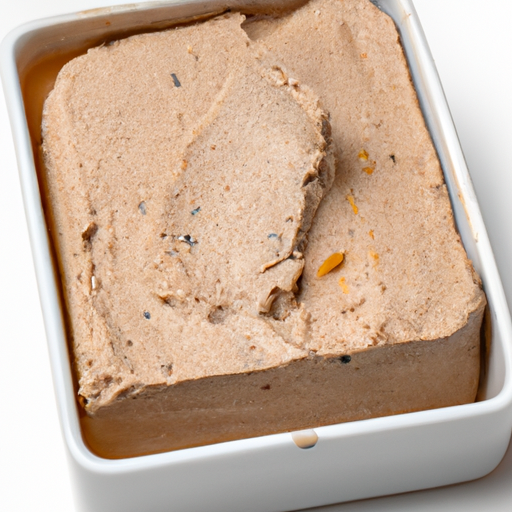
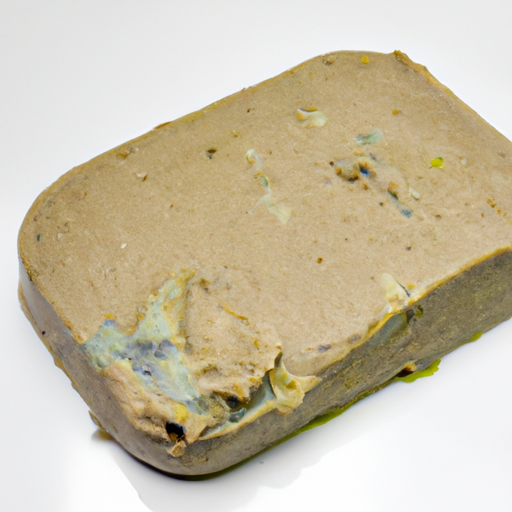
May be safe if properly stored and showing no spoilage signs. Check carefully before consuming.
Get a yes / no answer for your duck pate →
Fridge
38°F (3°C)
Keep refrigerated in original container
7 days
Change in color, off smell, mold growth
Spread on crackers, use in sandwiches
Liver pate
The expiration date on commercially canned duck pate indicates the date up to which the product is expected to remain safe to consume. Beyond this date, there is a higher risk of spoilage and bacterial contamination. On the other hand, the 'best quality' date refers to the period during which the pate is at its peak flavor and texture. Consuming the pate before the 'best quality' date ensures the best culinary experience, but it can still be safe to eat for some time after the expiration date if stored properly.
If commercially canned duck pâté has gone bad, look for signs of mold, discoloration, or off odors, indicating spoilage. Check for any unusual texture changes like sliminess or separation of liquids. When in doubt, it's best to discard the pâté to avoid the risk of foodborne illness.
When dealing with commercially canned duck pate that has been opened, there are several food safety risks to be aware of. The most common risk is bacterial contamination, especially from Clostridium botulinum, which can thrive in anaerobic environments like canned foods. To reduce this risk, it's crucial to refrigerate the opened duck pate promptly and consume it within a few days. If the pate shows any signs of spoilage such as off odor, flavor, or appearance, it should be discarded immediately to reduce the risk of foodborne illness.
To prolong the shelf life and maintain the quality of opened canned duck pate, it should be transferred to an airtight container or wrapped tightly in plastic wrap before refrigerating. This helps prevent exposure to air and potential contamination. Additionally, storing the pate in the coldest part of the refrigerator (typically the back of the bottom shelf) can further inhibit bacterial growth. If you plan to consume the pate over a longer period, consider portioning it into smaller servings and freezing them for extended storage. Thaw frozen pate in the refrigerator for best results.
Duck pate holds a significant place in French culinary tradition, particularly in regions like Gascony where it is considered a delicacy. The process of making pate involves finely ground duck liver, seasoned with various herbs and spices, and cooked to a smooth, creamy consistency. It is often served as an appetizer or part of a charcuterie board, paired with crusty bread, pickles, and wine. In some cultures, duck pate symbolizes wealth and sophistication due to the intricate preparation methods and rich flavors it offers.
Once opened, Duck Pate Commercially Canned Opened should be consumed within 7 days to ensure food safety. After this period, it's recommended to discard it even if it looks or smells fine to avoid the risk of foodborne illness.
Duck Pate Commercially Canned Opened should be stored in the fridge at all times, especially after opening. If left at room temperature for an extended period, such as more than 2 hours, the risk of bacterial growth increases. It's safer to discard it to reduce the risk of foodborne illness.
The type of container can impact the shelf life of Duck Pate Commercially Canned Opened. Opt for cans or jars specifically designed for food storage to maintain the product's quality. Improper containers may lead to faster spoilage or contamination.
Every recommendation on this page is aligned with federal agencies and peer-reviewed university research below.
Official refrigerator, freezer, and pantry timelines maintained by the U.S. Department of Agriculture.
Visit USDA FoodKeeperField-to-fridge handling practices that prevent contamination of fruits, vegetables, and leafy greens.
Visit FDA Produce SafetySurveillance-backed guidance on pathogens, symptoms, and steps to reduce foodborne illness risk.
Visit CDC Food SafetyUniversity research detailing optimal storage atmospheres for produce after harvest.
Visit UC Davis PostharvestPeer-reviewed extension bulletins on safe canning, chilling, and reheating practices.
Visit Penn State ExtensionImportant: These are general guidelines based on authoritative sources listed above. Always use your best judgment and when in doubt, throw it out.