USDAOfficial guidance
USDA FoodKeeper – Cold Storage Guidelines
Official refrigerator, freezer, and pantry timelines maintained by the U.S. Department of Agriculture.
Visit USDA FoodKeeperLast reviewed: January 2026
Reviewed by the Can I Eat Expired Editorial Team using official USDA, FDA, and CDC food safety guidance. How we assess food safety risk
This food is often safe when handled and stored properly, but safety depends on how it's been kept and whether any spoilage signs are present.
⏱️ Safe for up to 30 days after expiry if properly stored and showing no spoilage signs.
Storage conditions, initial freshness, and proper handling change the answer — and those details are easy to miss.
Get a yes / no answer for your craft beer ipa →
Check Your Exact Situation
Fridge
45-55°F (7-13°C)
Store upright, away from light
After opening, beverages can lose carbonation or absorb odors. Transferring to an airtight bottle or container (Amazon) can help preserve freshness and flavor.
120 days
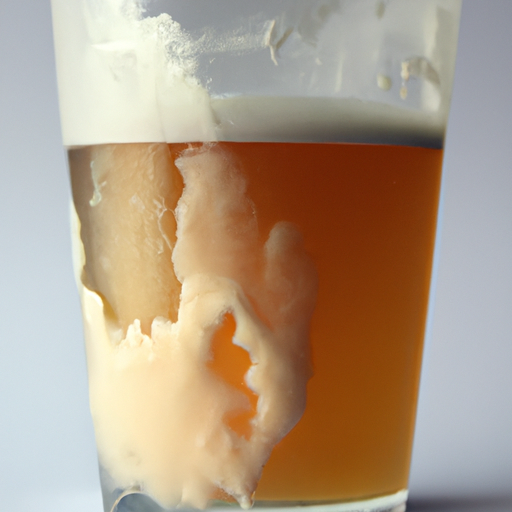
Skunk-like smell, excessive sediment, off flavors
Cooking, beer batter
Pale Ale, Session IPA
Craft Beer IPA typically does not have a strict expiration date like perishable foods. The 'best by' date on the label indicates the period during which the beer is expected to retain its optimal flavor and quality. While craft beer can technically be consumed beyond this date, the taste and aroma may deteriorate over time. It is recommended to consume craft beer within 3-6 months of bottling for the best sensory experience.
To check if Craft Beer IPA has gone bad, look for any signs of cloudiness or unusual floating particles in the liquid. Smell the beer for any off odors like a sour or musty smell. Additionally, check the texture by ensuring it still has a smooth and carbonated mouthfeel, without any slimy or oily consistency.
Craft Beer IPA is a fermented beverage containing alcohol, which inherently helps in reducing the risk of foodborne illnesses. However, it is crucial to store craft beer properly to maintain its quality and prevent contamination. Always check for any signs of spoilage such as off-smells, unusual cloudiness, or off-flavors. Avoid consuming beer that tastes sour, vinegary, or musty as it may indicate spoilage or contamination.
To maintain the quality of Craft Beer IPA, store it in a cool, dark place away from direct sunlight and temperature fluctuations. Ideally, store craft beer upright to minimize oxidation and contamination from the cap. Avoid storing beer in warm environments or places with high humidity, as it can accelerate flavor degradation. Once opened, consume the beer within a few days to enjoy its freshness and carbonation. Consider using a beer cellar or dedicated beer fridge to store craft beer at optimal temperatures for extended periods.
Craft Beer IPA is known for its hop-forward flavor profile, characterized by intense hop bitterness, aroma, and flavor. It has gained popularity in the craft beer scene for its diverse range of hop varieties and innovative brewing techniques. IPAs originated in England in the 19th century and have evolved into a staple style in the craft beer industry worldwide. Craft beer enthusiasts often enjoy exploring different IPA substyles such as West Coast IPA, New England IPA, and Double IPA.
Craft Beer Ipa can be stored outside the fridge for a short period without safety concerns. However, extended exposure to room temperature can affect the taste quality. If left out for more than 2 hours, consider refrigerating it to maintain freshness.
Once opened, Craft Beer Ipa should be consumed within 1-2 days for the best flavor. After this period, the quality may start to degrade, impacting the taste and aroma. Seal the bottle tightly and refrigerate to extend its shelf life after opening.
The container material can influence the shelf life of Craft Beer Ipa. Glass bottles are preferred as they prevent light exposure and maintain the beer's quality. Avoid storing Craft Beer Ipa in plastic containers, as they can impact the taste and aroma over time.
Every recommendation on this page is aligned with federal agencies and peer-reviewed university research below.
Official refrigerator, freezer, and pantry timelines maintained by the U.S. Department of Agriculture.
Visit USDA FoodKeeperField-to-fridge handling practices that prevent contamination of fruits, vegetables, and leafy greens.
Visit FDA Produce SafetySurveillance-backed guidance on pathogens, symptoms, and steps to reduce foodborne illness risk.
Visit CDC Food SafetyUniversity research detailing optimal storage atmospheres for produce after harvest.
Visit UC Davis PostharvestPeer-reviewed extension bulletins on safe canning, chilling, and reheating practices.
Visit Penn State ExtensionImportant: These are general guidelines based on authoritative sources listed above. Always use your best judgment and when in doubt, throw it out.
Disclosure: As an Amazon Associate, we earn from qualifying purchases. This helps support our site and allows us to continue providing free food safety information.