USDAOfficial guidance
USDA FoodKeeper – Cold Storage Guidelines
Official refrigerator, freezer, and pantry timelines maintained by the U.S. Department of Agriculture.
Visit USDA FoodKeeperLast reviewed: January 2026
Reviewed by the Can I Eat Expired Editorial Team using official USDA, FDA, and CDC food safety guidance. How we assess food safety risk
Storage conditions, initial freshness, and proper handling change the answer — and those details are easy to miss.
Get a yes / no answer for your applesauce →
Check Your Exact SituationThis food is often safe when handled and stored properly, but safety depends on how it's been kept and whether any spoilage signs are present.
⏱️ Safe for up to 2 days after expiry if properly stored and showing no spoilage signs.
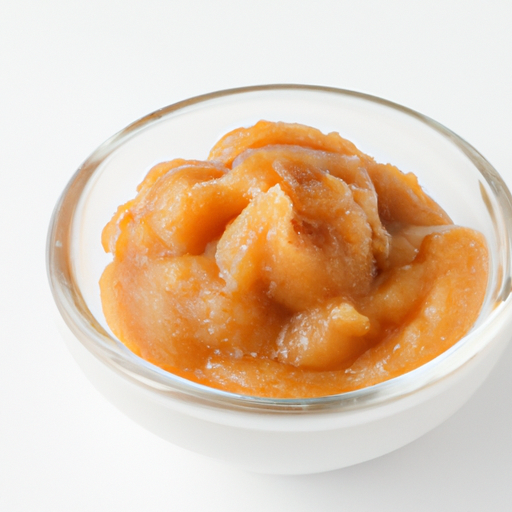
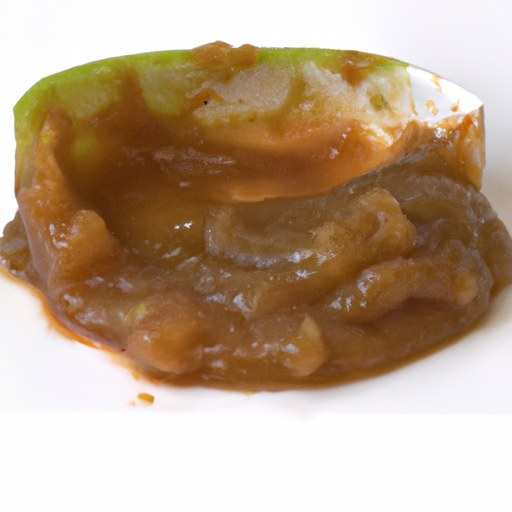
Fridge
34-40°F (1-4°C)
Transfer to airtight container if not in resealable container
7 days
60 days
Mold, fermented smell, separation that won't mix, off-color
Use in baking as fat substitute
Mashed bananas, pumpkin puree
The expiration date on the applesauce jar indicates the last date recommended for consuming the product at its peak quality in terms of taste and flavor. However, applesauce can still be safe to consume beyond the expiration date if it has been stored properly. Best quality refers to the optimal flavor and texture of the product, while expiration date is more about food safety.
If opened applesauce appears discolored, has mold growth, or gives off a foul odor, it is likely spoiled and should be discarded. Check for any unusual texture changes such as sliminess or gritty particles, which are also signs of spoilage.
Opened applesauce should be refrigerated promptly after opening to prevent bacterial contamination. If left at room temperature for more than 2 hours, it should be discarded to avoid foodborne illnesses such as botulism or mold growth. Check for any signs of spoilage like off odor, flavor, or appearance before consuming.
To maximize the shelf life of opened applesauce, transfer it to an airtight container to prevent exposure to air and moisture which can lead to spoilage. Store it in the refrigerator at temperatures below 40°F (4°C). Stir the applesauce before consuming if there is any separation of liquid on top. If you want to extend its shelf life, consider freezing it in small portions for up to 6 months.
Applesauce has been a staple in American households for generations, often enjoyed as a side dish or dessert. It is also commonly used as a substitute for fats in baking recipes to reduce calorie and fat content while adding moisture. In some cultures, applesauce is paired with savory dishes like pork chops or potato pancakes for a sweet and tangy contrast.
After opening, Applesauce Opened can be safely consumed within 7 days if stored in the fridge. It's best to consume it within this timeframe to ensure quality and safety. If it has been stored properly and shows no signs of spoilage, you can enjoy it up to 2 days after the expiry date.
Applesauce Opened should not be left at room temperature for more than 2 hours to prevent bacterial growth. If it exceeds this timeframe, it's safer to discard it. Always store it in the fridge to maintain its quality and prevent potential foodborne illnesses.
The type of container can impact Applesauce Opened's shelf life. Opt for airtight containers or jars to extend its freshness. Avoid storing it in metal containers as they can affect the taste and quality of the applesauce. Glass or BPA-free plastic containers are ideal for preserving its flavor.
Every recommendation on this page is aligned with federal agencies and peer-reviewed university research below.
Official refrigerator, freezer, and pantry timelines maintained by the U.S. Department of Agriculture.
Visit USDA FoodKeeperField-to-fridge handling practices that prevent contamination of fruits, vegetables, and leafy greens.
Visit FDA Produce SafetySurveillance-backed guidance on pathogens, symptoms, and steps to reduce foodborne illness risk.
Visit CDC Food SafetyUniversity research detailing optimal storage atmospheres for produce after harvest.
Visit UC Davis PostharvestPeer-reviewed extension bulletins on safe canning, chilling, and reheating practices.
Visit Penn State ExtensionStorage: Pantry
View guide →
Storage: Pantry
View guide →
Storage: Pantry
View guide →
Storage: Pantry
View guide →
Storage: Pantry
View guide →
Storage: Pantry
View guide →
Storage: Pantry
View guide →
Storage: Pantry
View guide →
Storage: Pantry
View guide →
Important: These are general guidelines based on authoritative sources listed above. Always use your best judgment and when in doubt, throw it out.