USDAOfficial guidance
USDA FoodKeeper – Cold Storage Guidelines
Official refrigerator, freezer, and pantry timelines maintained by the U.S. Department of Agriculture.
Visit USDA FoodKeeperStorage conditions, initial freshness, and proper handling change the answer — and those details are easy to miss.
Last reviewed: January 2026
Reviewed by the Can I Eat Expired Editorial Team using official USDA, FDA, and CDC food safety guidance. How we assess food safety risk
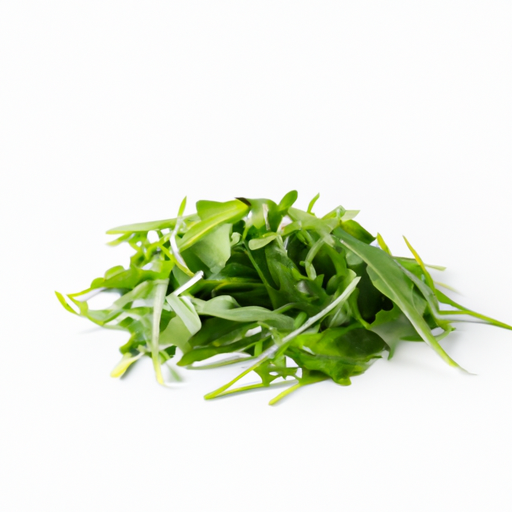
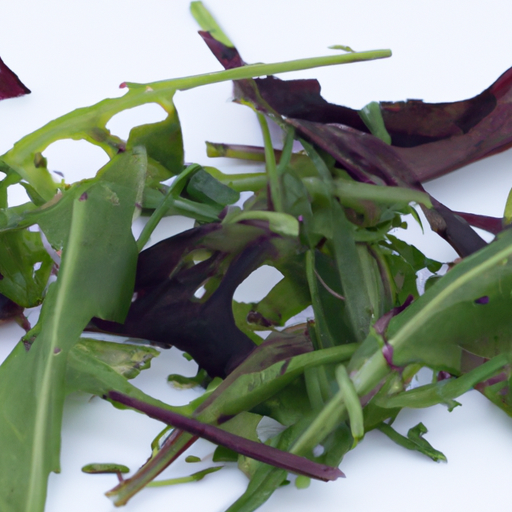
May be safe if properly stored and showing no spoilage signs. Check carefully before consuming.
Get a yes / no answer for your rocket salad →
Fridge
2-4°C (35-39°F)
Wrap in paper towel and store in a plastic bag
5 days
Yellowing leaves, slimy texture
Salads, sandwiches, pesto
Watercress
Sure thing! Let's talk about Rocket Salad, one of my favorites! Expiration dates on Rocket Salad indicate when it's no longer safe to eat due to potential bacterial growth. Past this date, it can be risky to consume. On the other hand, the "Best Quality" date suggests when the salad may start to lose its optimal taste and texture, but it's still safe to eat. For example, if the expiration date is tomorrow, you might want to consume it today to be on the safe side. But if you find Rocket Salad a day or two past its best quality date, it's probably still fine to eat, although it might not be as crisp and flavorful. Personally, I tend to follow the expiration dates more strictly when it comes to delicate greens like Rocket Salad, just to be safe. However, I might still use it a day after the best quality date if it looks and smells okay. Remember, when in doubt, toss it out!
To check if rocket salad has gone bad, look for wilting or yellowing leaves, a slimy or mushy texture, and a sour or off-putting smell. If the leaves appear discolored, feel slimy, or emit a foul odor, it's best to discard the rocket salad to avoid any potential foodborne illnesses.
Hey there! Let's talk about rocket salad, also known as arugula. While it's a delicious and nutritious green, there are some food safety risks to be aware of when enjoying it. One common risk with rocket salad is the potential for contamination by harmful bacteria like E. coli or Salmonella. Symptoms of foodborne illness from contaminated rocket salad can include stomach cramps, diarrhea, and vomiting. Not fun at all! To keep yourself safe, here are a few practical tips: 1. Always wash your rocket salad thoroughly before eating it. Even if it's pre-washed or pre-packaged, giving it an extra rinse can help reduce any lingering bacteria. 2. Store your rocket salad in the fridge at the proper temperature to prevent bacterial growth. 3. Check the expiration date on the packaging and make sure to consume it before that date to reduce the risk of illness. I remember once I didn't wash my rocket salad properly, and I ended up with a stomach ache for days – definitely not worth the shortcut! So, let's stay safe and enjoy our rocket salad without any foodborne illness worries. Happy and safe eating!
Hey there! Rocket salad, also known as arugula, is a delicate green that can wilt pretty quickly if not stored properly. Here are some storage hacks and pro tips to keep your rocket salad fresh: 1. **Paper Towel Trick**: Place a dry paper towel in the container with your rocket salad to absorb any excess moisture and keep it crisp. 2. **Air-Tight Container**: Store your rocket salad in an air-tight container to prevent it from wilting due to exposure to air. 3. **Proper Temperature**: Keep your rocket salad in the fridge's crisper drawer to maintain its freshness. Avoid storing it near fruits like apples and bananas, which release ethylene gas and can accelerate wilting. 4. **Revive Wilting Rocket**: If your rocket salad starts to wilt, revive it by soaking it in ice water for a few minutes and then spinning it dry in a salad spinner. I've found these tips super handy in keeping my rocket salad fresh and ready to use in salads, sandwiches, or even as a pizza topping. Give them a try and see how they work for you! Do you have any favorite ways to use rocket salad?
Hey there! Let's talk about rocket salad, also known as arugula. Did you know that arugula has been enjoyed for centuries? The ancient Romans actually considered it an aphrodisiac! Pretty cool, right? In terms of cultural significance, arugula is a staple in Mediterranean cuisine. It's often used in salads, pasta dishes, and even on top of pizzas. Its peppery and slightly bitter taste can really elevate a dish. If you're into gardening, you might enjoy growing your own arugula. It's super easy to cultivate and grows quickly, making it a great addition to any home garden. Nutrition-wise, arugula is packed with vitamins and minerals, making it a healthy choice for salads or as a garnish. Plus, its distinct flavor can add a unique touch to your meals. So, whether you're a foodie looking to explore new flavors or a history buff intrigued by ancient culinary traditions, arugula is definitely a fun ingredient to play around with in the kitchen! 🌿
If Rocket Salad has been at room temperature for a few hours, it's best to consume it promptly or refrigerate it to maintain freshness. Leaving it out for an extended period may lead to wilting or loss of quality. Check for any signs of spoilage like wilting, browning, or off odors before consuming.
Once opened, Rocket Salad should be consumed within 2-3 days for the best quality and freshness. Make sure to store it in the refrigerator in a sealed container or resealable bag to prevent wilting and maintain its crispness.
The type of container can impact Rocket Salad's shelf life. Opt for breathable containers or perforated bags to allow air circulation, which helps prevent moisture buildup and extends the salad's freshness. Avoid storing Rocket Salad in airtight containers, as it can lead to quicker wilting.
Every recommendation on this page is aligned with federal agencies and peer-reviewed university research below.
Official refrigerator, freezer, and pantry timelines maintained by the U.S. Department of Agriculture.
Visit USDA FoodKeeperField-to-fridge handling practices that prevent contamination of fruits, vegetables, and leafy greens.
Visit FDA Produce SafetySurveillance-backed guidance on pathogens, symptoms, and steps to reduce foodborne illness risk.
Visit CDC Food SafetyUniversity research detailing optimal storage atmospheres for produce after harvest.
Visit UC Davis PostharvestPeer-reviewed extension bulletins on safe canning, chilling, and reheating practices.
Visit Penn State ExtensionImportant: These are general guidelines based on authoritative sources listed above. Always use your best judgment and when in doubt, throw it out.