USDAOfficial guidance
USDA FoodKeeper – Cold Storage Guidelines
Official refrigerator, freezer, and pantry timelines maintained by the U.S. Department of Agriculture.
Visit USDA FoodKeeperStorage conditions, initial freshness, and proper handling change the answer — and those details are easy to miss.
Last reviewed: January 2026
Reviewed by the Can I Eat Expired Editorial Team using official USDA, FDA, and CDC food safety guidance. How we assess food safety risk
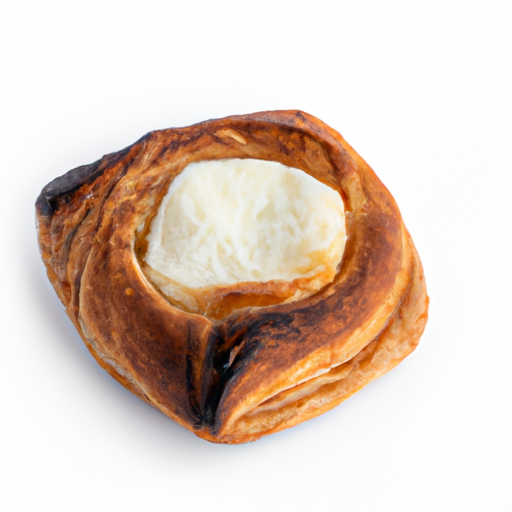
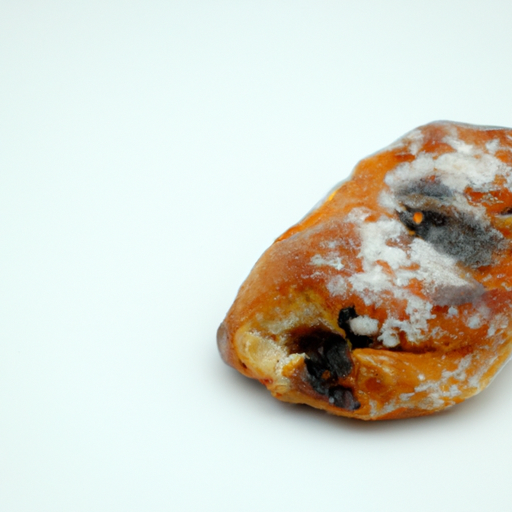
This food is often safe when handled and stored properly, but safety depends on how it's been kept and whether any spoilage signs are present.
⏱️ Safe for up to 90 days after expiry if properly stored and showing no spoilage signs.
Get a yes / no answer for your pastry stout →
Fridge
45-50°F (7-10°C)
Store upright in cool place. Avoid temperature fluctuations
After opening, beverages can lose carbonation or absorb odors. Transferring to an airtight bottle or container (Amazon) can help preserve freshness and flavor.
365 days
Loss of adjunct flavors, oxidation, metallic taste
Baking, ice cream topping
Milk Stout, Sweet Stout
The expiration date on a Pastry Stout typically refers to the point at which the quality of the beer may start to deteriorate. While the alcohol content in stout can help preserve it for an extended period, certain flavor profiles may change over time. The best quality of a Pastry Stout is usually experienced within a specific timeframe, often recommended by the brewer or indicated on the label. Consuming the stout before the expiration date ensures that you enjoy it at its peak flavor and aroma. Beyond that date, the stout may still be safe to consume, but the taste and overall drinking experience may not be as desirable.
To determine if Pastry Stout has gone bad, look for any visible signs of mold or unusual discoloration. Check for off-putting smells, such as a sour or musty aroma. Lastly, pay attention to the texture - if the beer appears chunky or slimy, it is best to discard it.
When it comes to Pastry Stout, the primary food safety concern is related to the alcohol content. Alcohol serves as a natural preservative, inhibiting the growth of harmful bacteria. However, if the stout is not brewed or stored properly, there is a risk of contamination. It is crucial to ensure that the brewing process is sanitary and that the stout is stored in a clean and airtight container to prevent bacterial growth. Additionally, if the stout is homemade, it is important to follow proper brewing techniques and sanitation practices to avoid the risk of foodborne illnesses.
To maintain the quality of Pastry Stout, it is recommended to store it in a cool, dark place away from direct sunlight and temperature fluctuations. Ideally, the stout should be stored upright to minimize oxidation and contamination from the cap. Avoid storing Pastry Stout in warm or humid environments, as this can accelerate the aging process and lead to off-flavors. If you have opened a bottle of Pastry Stout, reseal it tightly and store it in the refrigerator to preserve its freshness for a longer period. Enjoy the stout within a reasonable timeframe to savor its complex flavors at their best.
Pastry Stouts have gained popularity in the craft beer scene for their unique flavor profiles that often include ingredients like chocolate, coffee, vanilla, and various spices. These stouts are known for their rich, dessert-like qualities that appeal to those with a sweet tooth. The cultural significance of Pastry Stouts lies in their ability to push the boundaries of traditional brewing by incorporating unconventional ingredients and flavors. They have become sought after by beer enthusiasts looking for innovative and indulgent brews.
If Pastry Stout has been at room temperature for a few hours, it should still be safe to consume as long as there are no signs of spoilage like off odors, unusual flavors, or mold growth. However, for optimal taste and quality, it's recommended to refrigerate it promptly after opening and not leave it out for extended periods.
The type of container can impact the shelf life of Pastry Stout. Airtight, dark glass bottles are preferred for storing stout as they help to maintain flavor integrity by blocking out light and minimizing oxidation. Cans are also a good option as they protect the beer from light exposure. Plastic containers should be avoided for long-term storage as they can affect the taste of the stout.
When transporting Pastry Stout for a few hours, it's important to keep it in a cool, dark place like a cooler with ice packs to maintain its quality. Avoid exposing it to direct sunlight or high temperatures. Make sure the bottles are securely sealed to prevent leakage and store them upright to minimize agitation. Once you reach your destination, refrigerate the stout promptly.
Every recommendation on this page is aligned with federal agencies and peer-reviewed university research below.
Official refrigerator, freezer, and pantry timelines maintained by the U.S. Department of Agriculture.
Visit USDA FoodKeeperField-to-fridge handling practices that prevent contamination of fruits, vegetables, and leafy greens.
Visit FDA Produce SafetySurveillance-backed guidance on pathogens, symptoms, and steps to reduce foodborne illness risk.
Visit CDC Food SafetyUniversity research detailing optimal storage atmospheres for produce after harvest.
Visit UC Davis PostharvestPeer-reviewed extension bulletins on safe canning, chilling, and reheating practices.
Visit Penn State ExtensionImportant: These are general guidelines based on authoritative sources listed above. Always use your best judgment and when in doubt, throw it out.
Disclosure: As an Amazon Associate, we earn from qualifying purchases. This helps support our site and allows us to continue providing free food safety information.