USDAOfficial guidance
USDA FoodKeeper – Cold Storage Guidelines
Official refrigerator, freezer, and pantry timelines maintained by the U.S. Department of Agriculture.
Visit USDA FoodKeeperStorage conditions, initial freshness, and proper handling change the answer — and those details are easy to miss.
Get a yes / no answer for your melatonin sleep aid tablets →
Last reviewed: January 2026
Reviewed by the Can I Eat Expired Editorial Team using official USDA, FDA, and CDC food safety guidance. How we assess food safety risk
This food is often safe when handled and stored properly, but safety depends on how it's been kept and whether any spoilage signs are present.
⏱️ Safe for up to 30 days after expiry if properly stored and showing no spoilage signs.
Pantry
Room temperature (68°F / 20°C)
Keep in original packaging away from moisture
730 days
Change in color, odor, or texture
Not applicable
Consult healthcare provider before substituting
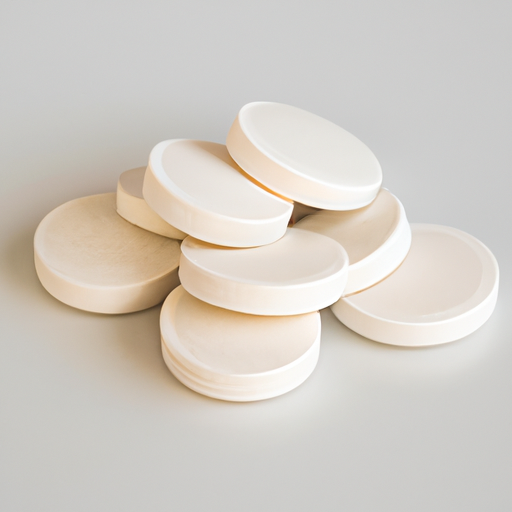
Melatonin Sleep Aid Tablets do not have a traditional expiration date like food products. However, over time, the potency of the active ingredient may decrease, leading to reduced effectiveness. It is advisable to check the manufacturing date and consult a healthcare professional if using expired tablets.
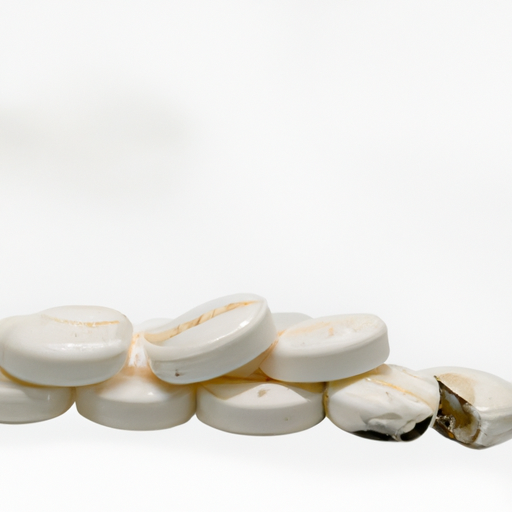
To check if Melatonin Sleep Aid Tablets have gone bad, look for any changes in color, such as darkening or discoloration. Sniff the tablets for any unusual or foul odors. Additionally, check the texture of the tablets - if they have become sticky, powdery, or unusually soft, it may indicate spoilage.
Melatonin Sleep Aid Tablets are not typically associated with foodborne illness risks as they are not consumed as food. However, it is essential to follow the recommended dosage to avoid potential side effects such as drowsiness, headache, and dizziness.
Store Melatonin Sleep Aid Tablets in a cool, dry place away from direct sunlight and moisture to maintain their potency. Keep them out of reach of children and pets. It's recommended to store them in their original packaging with the lid tightly closed to prevent exposure to air.
Melatonin, naturally produced by the body, is a hormone that regulates sleep-wake cycles. The use of melatonin supplements has gained popularity for managing sleep disorders and jet lag. Some cultures have traditional practices involving natural remedies for sleep enhancement.
Melatonin Sleep Aid Tablets are safe to consume if stored at room temperature. However, to maintain their potency and quality, it's recommended to store them in a cool, dark place away from direct sunlight and moisture.
Freezing Melatonin Sleep Aid Tablets is not recommended as it may alter the texture and potency of the tablets. It's best to store them in a pantry at room temperature to maintain their effectiveness.
Shelf life can vary between different brands of Melatonin Sleep Aid Tablets due to variations in manufacturing processes and ingredients. Always check the expiration date on the packaging and follow the manufacturer's recommendations for storage and usage.
Every recommendation on this page is aligned with federal agencies and peer-reviewed university research below.
Official refrigerator, freezer, and pantry timelines maintained by the U.S. Department of Agriculture.
Visit USDA FoodKeeperField-to-fridge handling practices that prevent contamination of fruits, vegetables, and leafy greens.
Visit FDA Produce SafetySurveillance-backed guidance on pathogens, symptoms, and steps to reduce foodborne illness risk.
Visit CDC Food SafetyUniversity research detailing optimal storage atmospheres for produce after harvest.
Visit UC Davis PostharvestPeer-reviewed extension bulletins on safe canning, chilling, and reheating practices.
Visit Penn State ExtensionNeed deeper reading? Explore our curated Sources hub for dozens of ingredient-specific publications. Our food safety review methodology explains how safety determinations are made.
Cooking Ingredients
View expiration date and storage guide →
Baking Supplies
View expiration date and storage guide →
Grains & Pasta
View expiration date and storage guide →
Instant Foods
View expiration date and storage guide →
Condiments & Spices
View expiration date and storage guide →
Grains & Pasta
View expiration date and storage guide →
Fruits & Vegetables
View expiration date and storage guide →
Condiments & Spices
View expiration date and storage guide →
Sauces and Marinades
View expiration date and storage guide →
Important: These are general guidelines based on authoritative sources listed above. Always use your best judgment and when in doubt, throw it out. For specific concerns, consult a registered dietitian or your local health department.