USDAOfficial guidance
USDA FoodKeeper – Cold Storage Guidelines
Official refrigerator, freezer, and pantry timelines maintained by the U.S. Department of Agriculture.
Visit USDA FoodKeeperStorage conditions, initial freshness, and proper handling change the answer — and those details are easy to miss.
Last reviewed: January 2026
Reviewed by the Can I Eat Expired Editorial Team using official USDA, FDA, and CDC food safety guidance. How we assess food safety risk
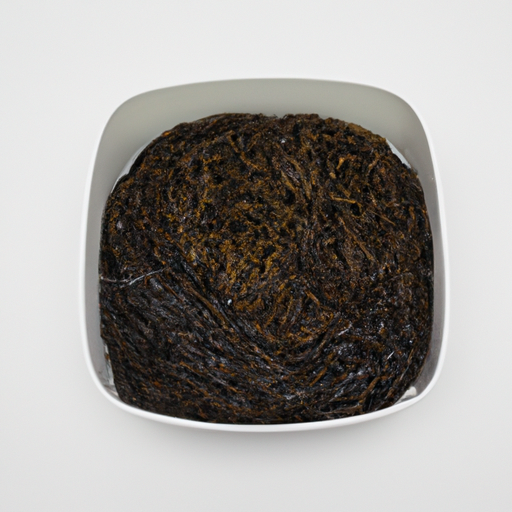
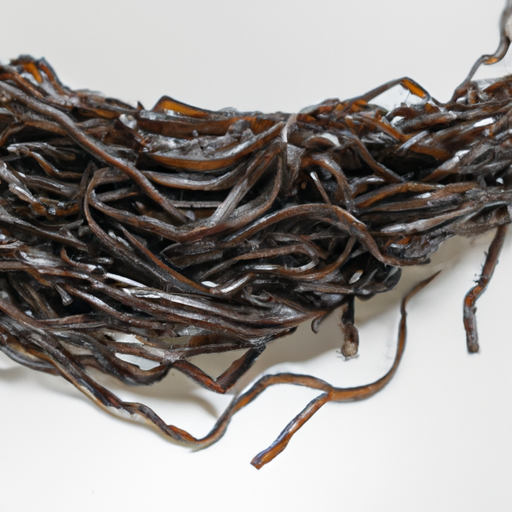
This food is often safe when handled and stored properly, but safety depends on how it's been kept and whether any spoilage signs are present.
⏱️ Safe for up to 180 days after expiry if properly stored and showing no spoilage signs.
Get a yes / no answer for your korean jjajangmyeon instant black bean noodles →
Pantry
Room temperature
Store in a cool, dry place
365 days
Rancid smell, broken noodles, bugs in packet
Use as a quick meal or side dish
Instant ramen, udon noodles
The expiration date on the packaging of Korean Jjajangmyeon Instant Black Bean Noodles indicates the date until which the product is guaranteed to be at its best quality in terms of taste and texture. Consuming the noodles after the expiration date may result in a decline in quality, such as loss of flavor or texture. However, it does not necessarily mean that the noodles are unsafe to eat. For optimal taste and quality, it is recommended to consume the noodles before the expiration date. Storing the noodles properly can help maintain their quality for a longer period.
To determine if Korean Jjajangmyeon Instant Black Bean Noodles have spoiled, check for any signs of mold, discoloration, or an off smell. The noodles should appear uniform in color and texture without any slimy or mushy spots. A strong unpleasant odor is a clear indication that the noodles have gone bad and should be discarded.
When it comes to Korean Jjajangmyeon Instant Black Bean Noodles, it is important to follow the instructions on the packaging carefully to ensure the noodles are cooked thoroughly. Improper cooking or storage can lead to bacterial contamination, which may cause foodborne illnesses like salmonella or E. coli. Make sure to use clean utensils and cookware when preparing the noodles to prevent cross-contamination.
To maximize the shelf life and preserve the quality of Korean Jjajangmyeon Instant Black Bean Noodles, store them in a cool, dry place away from direct sunlight and moisture. Once the package is opened, transfer any unused noodles to an airtight container to prevent them from absorbing odors and moisture from the surroundings. It is advisable to consume the noodles within a reasonable time frame after opening for the best taste and texture. Avoid exposing the noodles to temperature fluctuations or humidity, as this can affect their quality.
Jjajangmyeon is a popular Korean-Chinese noodle dish made with black bean sauce. It has become a staple comfort food in South Korea and is often enjoyed on special occasions or as a quick and satisfying meal. The dish has a unique savory and slightly sweet flavor profile that appeals to many palates. In Korean culture, eating Jjajangmyeon is often associated with celebrating milestones and achievements.
If Korean Jjajangmyeon Instant Black Bean Noodles has been left at room temperature for 8 hours, it's best to discard it. Bacteria can multiply rapidly at room temperature, increasing the risk of foodborne illness. To ensure food safety, adhere to the general rule of refrigerating perishable foods within 2 hours or 1 hour if the temperature is above 90°F.
Once opened, Korean Jjajangmyeon Instant Black Bean Noodles should be consumed within 2-3 days if stored properly in the refrigerator. To maintain the best quality and flavor, consider sealing the remaining noodles in an airtight container or resealable bag.
The type of container can impact the shelf life of Korean Jjajangmyeon Instant Black Bean Noodles. It's recommended to store the noodles in their original airtight packaging to maintain freshness. Transferring them to a non-airtight container may lead to quicker quality deterioration. Always follow the storage instructions on the packaging for optimal shelf life.
Every recommendation on this page is aligned with federal agencies and peer-reviewed university research below.
Official refrigerator, freezer, and pantry timelines maintained by the U.S. Department of Agriculture.
Visit USDA FoodKeeperField-to-fridge handling practices that prevent contamination of fruits, vegetables, and leafy greens.
Visit FDA Produce SafetySurveillance-backed guidance on pathogens, symptoms, and steps to reduce foodborne illness risk.
Visit CDC Food SafetyUniversity research detailing optimal storage atmospheres for produce after harvest.
Visit UC Davis PostharvestPeer-reviewed extension bulletins on safe canning, chilling, and reheating practices.
Visit Penn State ExtensionImportant: These are general guidelines based on authoritative sources listed above. Always use your best judgment and when in doubt, throw it out.